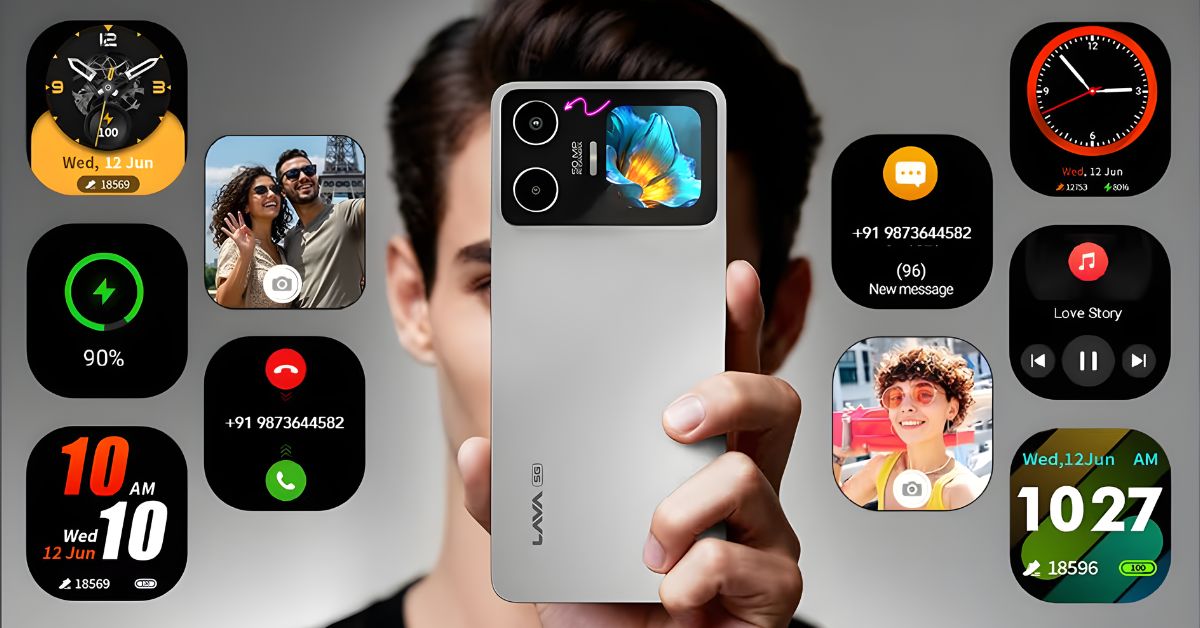
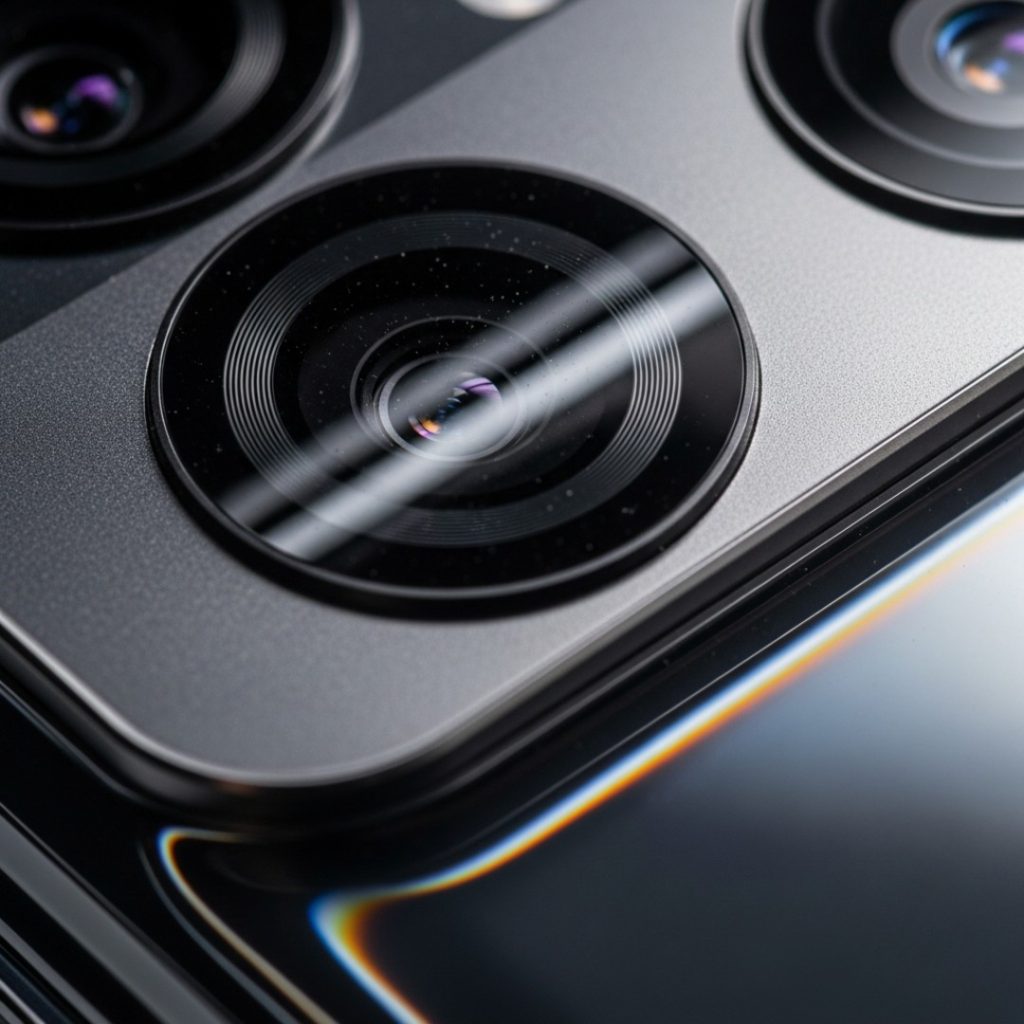
The wait is finally over. Lava has officially launched its most innovative smartphone yet, the Lava Blaze Duo 3, in India today. While most brands are fighting over camera megapixels, Lava has done something different—it has added a second screen to the back of the phone.
For years, dual-screen phones were expensive and rare. But with the Blaze Duo 3, Lava is bringing this premium feature to the budget segment. If you are looking for a unique phone that stands out from the crowd without breaking the bank, here is everything you need to know about its price, features, and that special rear display.
The “Duo” Screen: What Can It Do?
The biggest selling point of this phone is its 1.6-inch Secondary AMOLED Display placed right next to the rear cameras. This isn’t just a gimmick; it is actually quite useful.
Notifications: You can check messages, calls, and app alerts without flipping your phone over.
Rear Camera Selfies: This is the best feature. You can use the powerful back camera to take high-quality selfies, using the small screen as a mirror to frame your shot.
Music Control: Pause, play, or skip tracks easily without unlocking the main screen.
Health Steps: It also displays your daily step count and a digital clock.
Top Features and Specifications
1. Display and Design
Apart from the small rear screen, the main display is a stunner. It features a 6.67-inch FHD+ AMOLED screen with a smooth 120Hz refresh rate. This means colors will look punchy, blacks will be deep, and scrolling through Instagram or YouTube will feel very fluid. The phone has a sleek, flat-edge design with a matte finish, so it won’t attract fingerprints easily.
Under the hood, the Blaze Duo 3 is powered by the MediaTek Dimensity 7060 chipset. This is a capable 5G processor designed for mid-range phones. Whether you are playing games like BGMI on medium settings or multitasking between apps, the phone handles it smoothly. It comes with 6GB of RAM (expandable) and 128GB of fast UFS 3.1 storage, ensuring apps load quickly.
3. Cameras
Rear: A 50MP Sony IMX752 sensor leads the setup. Thanks to the Sony sensor, low-light photos come out sharp and clear.
Front: There is an 8MP front camera for video calls. However, with the dual-screen feature, you will likely use the 50MP rear camera for your selfies anyway.
4. Battery and Charging
The phone packs a standard 5,000mAh battery, which should easily last a full day of heavy use. It supports 33W fast charging, which can juice up the phone from 0 to 50% in roughly 30–40 minutes.
Price in India and Availability
Lava has priced the Blaze Duo 3 very aggressively to compete with brands like Realme and Redmi.
Official Price: ₹16,999 (for the 6GB + 128GB variant).
Launch Offer: With select bank cards, the effective price can drop to around ₹15,999.
Where to Buy: The sale starts this week on Amazon India and the official Lava website.
Is It Worth Buying?
If you are bored of the same old smartphone designs, the Lava Blaze Duo 3 is a breath of fresh air. It offers a premium “dual-screen” experience at a price point where most phones still use basic LCD screens. For students, content creators, and tech lovers on a budget, this is definitely a phone to watch in 2026.
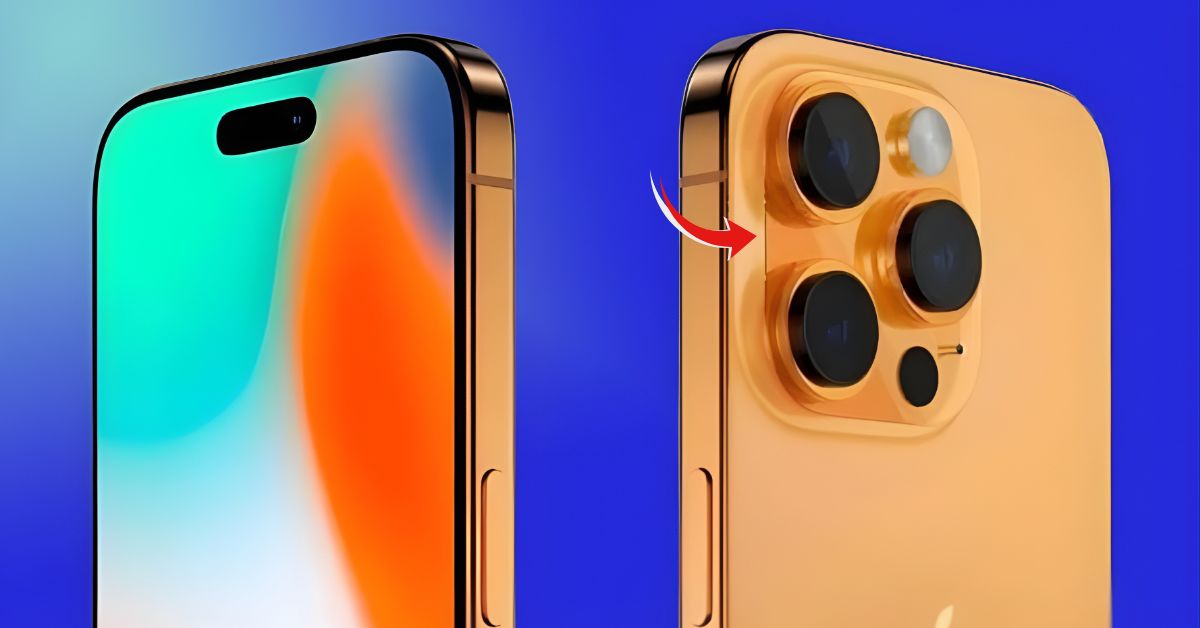
The iPhone 17 series has barely settled into the pockets of users across India, yet the rumor mill for Apple’s next massive flagship is already spinning at full speed. We are talking about the iPhone 18 Pro Max, a device expected to launch in late 2026 that could mark one of the most significant technological leaps in Apple’s history.
While the official launch is still months away, reliable industry insiders and supply chain leaks have painted a clear picture of what’s coming. From a revolutionary new processor to a camera system that mimics professional DSLRs, here is everything we know so far about the iPhone 18 Pro Max and what it means for Indian buyers.
The Powerhouse: Apple’s A20 Pro Chip (2nm)
The biggest headline for the iPhone 18 Pro Max isn’t just about how it looks, but how it thinks. Reports indicate that the iPhone 18 Pro models will be powered by the A20 Pro chipset.
This isn’t just a standard annual upgrade. The A20 is expected to be built on TSMC’s cutting-edge 2-nanometer (2nm) process. For non-techies, this simply means the transistors inside the chip are smaller and more densely packed than ever before.
Why This Matters
Moving to a 2nm process is a massive engineering milestone. Early estimates suggest this could deliver a 15% boost in speed and, more importantly, a 30% improvement in power efficiency compared to the iPhone 17’s A19 chip. For Indian users who rely heavily on 5G data and gaming, this efficiency could translate to significantly longer battery life, potentially pushing the phone to last nearly two full days on a single charge.
Camera: The “Variable Aperture” Game Changer
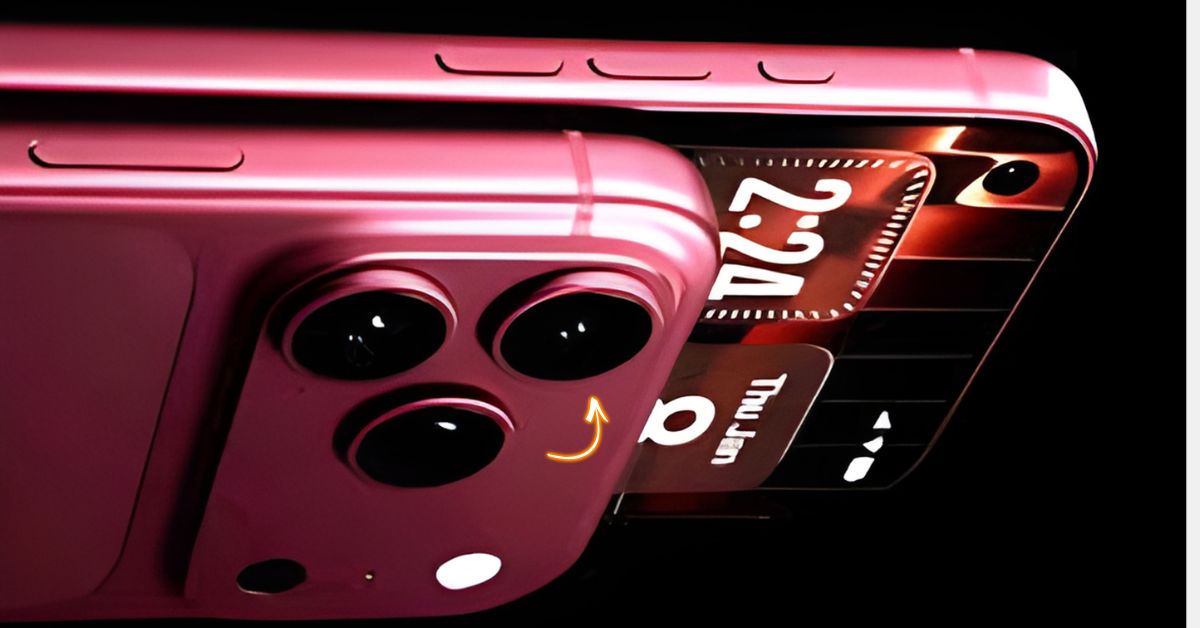
Apple has consistently improved its cameras, but the iPhone 18 Pro Max is rumored to introduce a feature previously reserved for high-end professional cameras: a Variable Aperture on the main lens.
Most smartphones have a “fixed” aperture, meaning the lens opening stays the same size regardless of lighting. A variable aperture allows the lens to physically open and close—much like a human eye or a DSLR lens.
In Bright Light: The aperture closes down to keep images sharp and focus deep.
In Low Light: It opens wide to let in maximum light, reducing grain and noise.
This upgrade would give photographers natural “bokeh” (background blur) without relying entirely on software portraits. While some Android phones have experimented with this, Apple’s implementation is expected to be seamless and automatic.
Design and Display: Goodbye Dynamic Island?
Since the iPhone 14 Pro, the “Dynamic Island” has been the signature look of the iPhone. However, 2026 might be the year Apple begins to hide its sensors.
Leaks suggest the iPhone 18 Pro Max may feature under-display Face ID technology. This would allow Apple to shrink the visible cutout on the screen significantly, possibly moving to a smaller punch-hole design or a much less intrusive island. The screen size is expected to remain massive at roughly 6.9 inches, continuing the trend set by the 17 Pro Max, but with even thinner bezels for an immersive viewing experience.
India Price and Release Date Expectations
For Indian consumers, price is always the deciding factor. The iPhone 17 Pro Max launched at a premium, and given the new 2nm chip technology and advanced camera hardware, the iPhone 18 Pro Max is unlikely to be cheaper.
Expected Price
Market analysts predict the base model (likely 256GB) could start around ₹1,69,990. While this is a steep price tag, bank offers and exchange bonuses usually offered during the launch period (and the festive Diwali season shortly after) typically help bring the effective cost down.
Launch Timeline
Apple adheres to a strict schedule. We expect the iPhone 18 lineup to be unveiled globally in September 2026, with pre-orders in India starting the same week. Unlike in the past, where India launches were delayed, recent trends suggest Indian stores will have stocks available immediately on launch day.
The “iPhone Fold” Wildcard
There is one more twist for 2026. Rumors strongly suggest that Apple might finally unveil its first foldable device, the “iPhone Fold”, alongside the iPhone 18 series. If true, the iPhone 18 Pro Max might share the stage with a super-premium foldable phone, giving wealthy buyers a difficult choice between the ultimate slab phone and the new foldable innovation.
The Croma Republic Day Sale 2026 is officially live, and it has brought some of the biggest price drops we have seen this year. If you have been waiting to upgrade to the latest flagship phones, now might be the perfect time.
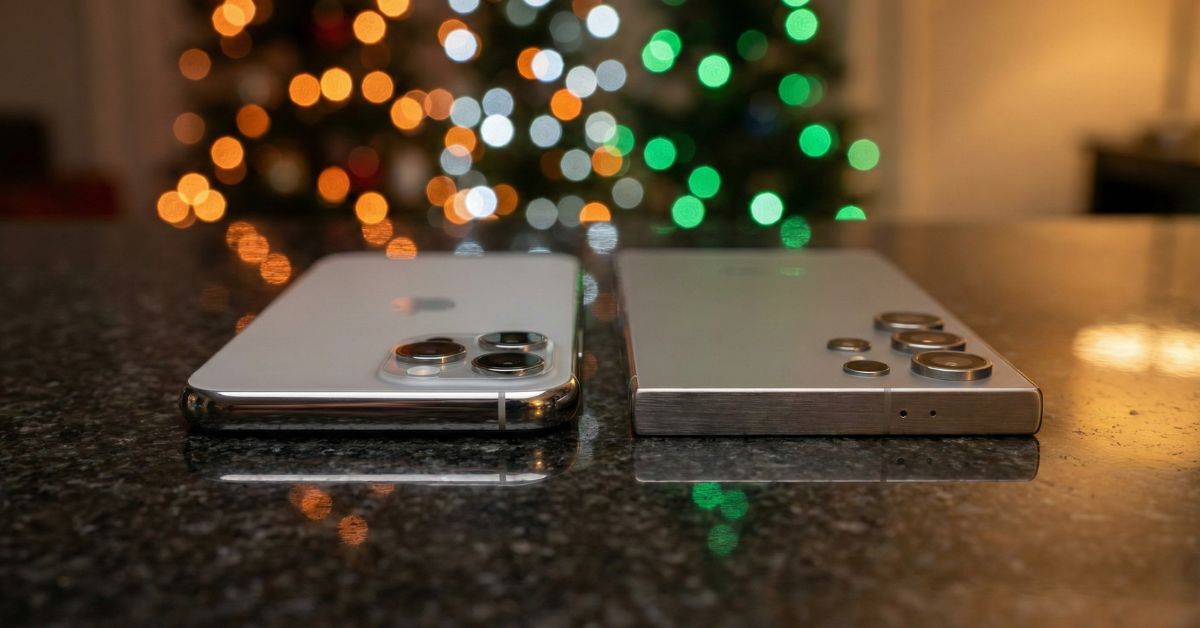
The headline offers are stunning: Apple’s latest iPhone 17 is available at an effective price of just ₹47,990, and Samsung’s powerful Galaxy S25 Ultracan be yours for ₹79,999. These deals are available across Croma’s online website and their offline stores across India.
Here is a simple breakdown of how these deals work and what else is on sale.
iPhone 17 Deal: How to Buy it for ₹47,990
The iPhone 17 was launched in late 2025 with a starting price of ₹82,900. Getting it for under ₹50,000 sounds impossible, but Croma has stacked multiple offers to make it happen.
To get this price, you need to combine bank offers and exchange bonuses. Here is the math:
Flat Discount: The phone is listed at a discounted price during the sale.
Bank Offer: You get a flat ₹2,000 cashback if you use select bank cards (like ICICI or HDFC).
Exchange Offer: This is the biggest part. Croma is offering a massive exchange value for your old phone (up to ₹23,500 depending on the model) plus an extra ₹8,000 exchange bonus.
If you trade in a recent premium phone (like an iPhone 14 or 15) in good condition, the final effective price drops to ₹47,990. Even if you have an older phone, the price will still be significantly lower than the MRP.
Bonus Deal: The iPhone 15 is also available at an effective price of ₹31,990 for those on a tighter budget.
Samsung Galaxy S25 Ultra at ₹79,999
Samsung fans are not left out. The Galaxy S25 Ultra, known for its 200MP camera and Snapdragon 8 Elite chip, is also seeing a massive price cut.
Market Price: The phone usually sells for around ₹1,34,999.
The Deal: You can grab it for an effective price of ₹79,999.
How: This price is largely driven by exchanging an older flagship device (like the Galaxy S24 Ultra). Croma is offering a high exchange value plus additional bank discounts.
If you don’t have a phone to exchange, there is still a flat ₹10,000 instant discount on bank cards, bringing the direct buy price down to around ₹1,19,999.
The budget smartphone market in India just got a serious contender. Tecno has officially launched the Tecno Spark Go 3, a phone that promises to bring premium features like a smooth 120Hz display and rugged durability to the entry-level segment.
If you are looking for a phone under ₹10,000 that can handle rough daily use while offering a modern Android experience, this might be the one. The company is marketing it with a “Desh Jaisa Dumdaar” philosophy, targeting students, delivery partners, and first-time smartphone users who need reliability without spending a fortune.
Here is everything you need to know about the price, confirmed specifications, and sale date in India.
Tecno Spark Go 3 Price in India and Sale Date
Tecno has kept things simple with a single variant for this launch. The Tecno Spark Go 3 price in India is ₹8,999 for the model with 4GB RAM and 64GB storage.
Sale Starts: January 23, 2026
Time: 12:00 PM IST
Where to Buy: Amazon India and authorized offline retail stores.
The phone is available in four distinct colors: Titanium Grey, Ink Black, Galaxy Blue, and Aurora Purple.
Top Features: Why Is It Creating Hype?
Usually, phones in the sub-₹10k segment compromise on display and build quality. However, the Spark Go 3 tries to break that trend.
1. 120Hz Smooth Display
The standout feature is undoubtedly the 6.74-inch HD+ IPS LCD screen. While most competitors are stuck at 90Hz, Tecno offers a 120Hz refresh rate. This means scrolling through Instagram, Facebook, or navigating the menu will feel much smoother and more responsive.
2. Built for Rough Use (IP64 Rating)
Durability is a major focus here. The phone comes with an IP64 rating, making it resistant to dust and water splashes. Whether you are caught in light rain or working in dusty environments, the phone is designed to survive. Tecno also claims the device has “drop-ready durability,” which is a huge plus for clumsy users.
Powering the device is a 5,000mAh battery, which is standard for this segment but highly reliable. It supports 15W charging via a USB Type-C port. While it won’t break speed records, the battery should easily last a full day and a half on moderate usage. Note that a 10W charger is included in the box.
Performance and Software
Under the hood, the Spark Go 3 runs on the Unisoc T7250 octa-core processor. This is a capable entry-level chipset designed to handle daily tasks like WhatsApp, YouTube, and light multitasking.
Storage: 64GB internal storage (expandable up to 1TB via microSD card).
OS: It runs on Android 15 (Go Edition) with Tecno’s HiOS skin on top. Getting the latest Android version out of the box is a significant advantage for security and app compatibility.
Camera and Unique “Indian” Features
The phone features a 13MP rear camera with dual flash and an 8MP front camera for selfies. While these are modest numbers, they are decent for basic photography and video calls.
Tecno has also added features specifically for Indian users:
Ella AI Assistant: A voice assistant that supports regional Indian languages like Hindi, Bengali, Tamil, Gujarati, and Marathi.
No Network Communication 2.0: A very interesting feature that claims to allow communication between devices up to 1.5km away without a mobile signal. This could be useful in basements or remote areas.
Dual Speakers: It comes with DTS-tuned stereo speakers, offering a better audio experience than many mono-speaker phones in this range.
Competition: Should You Buy It?
At ₹8,999, the Tecno Spark Go 3 faces stiff competition.
Redmi A4 5G: Offers 5G connectivity, which the Spark Go 3 lacks (it is a 4G phone).
Moto G-series: Often provides a cleaner stock Android experience.
Verdict: If your priority is a 5G connection, you might want to look elsewhere. But if you want a rugged 4G phone with a super-smooth display and features tailored for local use, the Spark Go 3 is a solid package.
Let’s be brutally honest. For the last few years, buying a new Pro iPhone has felt a bit like buying the same car with slightly different headlights. The iPhone 15 Pro was great; the iPhone 16 Pro refined it. But if you are sitting there with an iPhone 14 Pro or 15 Pro in your hand, wondering if you should save up for the next big thing, the answer is starting to look like a resounding YES.
As a journalist covering the Indian tech scene for over a decade and a half, I’ve learned to separate Apple’s marketing “reality distortion field” from actual, usable innovation. And folks, the whispers coming out of the supply chain for the late-2026 iPhone 17 Pro are louder than usual. We aren’t just talking about a slightly faster chip. We are talking about fundamental shifts in the camera system, display technology, and processing architecture.
The real truth is, the iPhone 17 Pro is shaping up to be what analysts call a “supercycle” phone—the kind of upgrade that makes your two-year-old flagship feel ancient overnight. Of course, in India, this will likely mean crossing the ₹1.4 Lakh price barrier again. Is it worth that kind of money? Let’s dive deep into what we know.
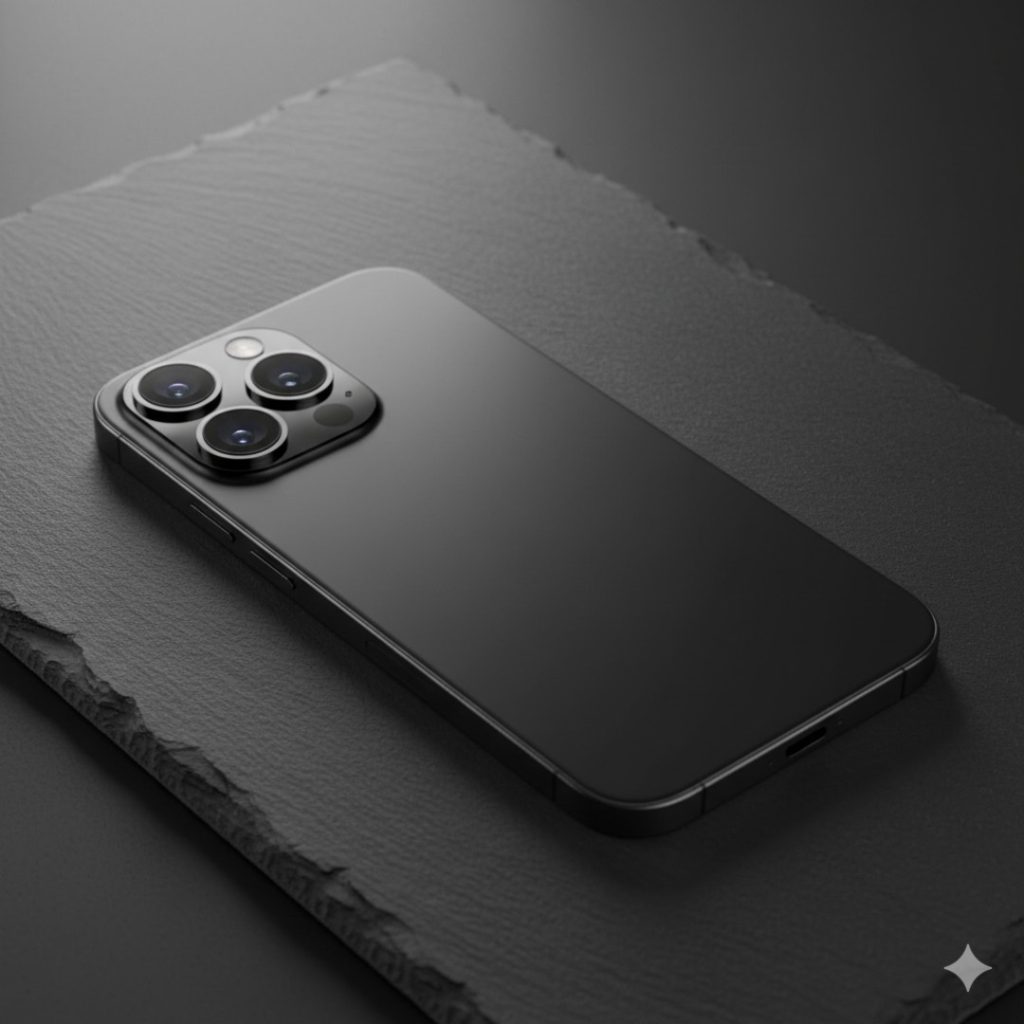
iPhone 17 Pro resting on a dark, textured slate surface. Studio lighting highlights sleek brushed titanium edges and a refined triple-lens camera module.
QUICK EXPECTED SPECS TABLE (Based on High-Confidence Leaks)
Disclaimer: As the iPhone 17 Pro is not yet released, these specifications are based on credible industry analyst reports (Ming-Chi Kuo, Ross Young) and supply chain leaks current as of early 2026. These are subject to change.
Feature
iPhone 17 Pro (Expected Specs)
The Upgrade Factor vs. Previous Gen
Processor
A19 Pro Bionic (Expected 2nm process)
The 2nm leap is massive for power efficiency.
Display
6.3-inch Super Retina XDR, ProMotion (1-120Hz)
Possible under-panel Face ID tech.
Main Camera
48MP, f/1.78, 2nd Gen Sensor-Shift OIS
Larger sensor size for better night shots.
Ultrawide Camera
48MP, f/2.2
The first major jump from 12MP in years.
Telephoto Camera
48MP, 5x Optical Zoom Tetraprism
High-res zooming and better portrait video.
Front Camera
24MP autofocus, f/1.9
Significant jump from the long-standing 12MP.
RAM
12GB LPDDR5X
Needed for advanced on-device AI.
Storage Options
256GB / 512GB / 1TB / 2TB
128GB base model likely phased out.
Build Material
Grade 5 Titanium Frame
Potentially even lighter structure.
Connectivity
Wi-Fi 7, Apple-designed 5G Modem
Faster speeds, lower latency.
Expected India Price
Starts approx ₹1,39,900
The usual “India Premium” tax.
DESIGN & BUILD: The Invisible Revolution?
When you hold a Pro iPhone these days, you expect a certain density—that premium “heft.” Apple shifted to Titanium with the 15 Pro, which significantly improved the in-hand feel by reducing weight.
For the iPhone 17 Pro, the biggest design change might not be what you hold, but what you see on the front.
The Potential End of the Dynamic Island
The biggest rumor circulating for late 2026 is Apple finally moving the Face ID sensors under the display panel. While the selfie camera will likely remain a small punch-hole cut-out, moving the massive IR blaster and dot projector underneath the screen means the “Dynamic Island” pill shape could shrink significantly, or perhaps even disappear entirely on the Pro Max model, with the regular Pro following suit.
If Apple pulls this off, it’s the holy grail of smartphone design: an uninterrupted slab of glass.
The Build
Expect the Grade 5 Titanium to remain. It’s durable, premium, and relatively light. We might see new color treatments that are more resistant to fingerprints—a perennial complaint with the darker titanium finishes. The “Capture Button” introduced in the 16 series will likely be refined here, perhaps becoming solid-state with haptic feedback rather than a physical mechanical click, further aiding water resistance.
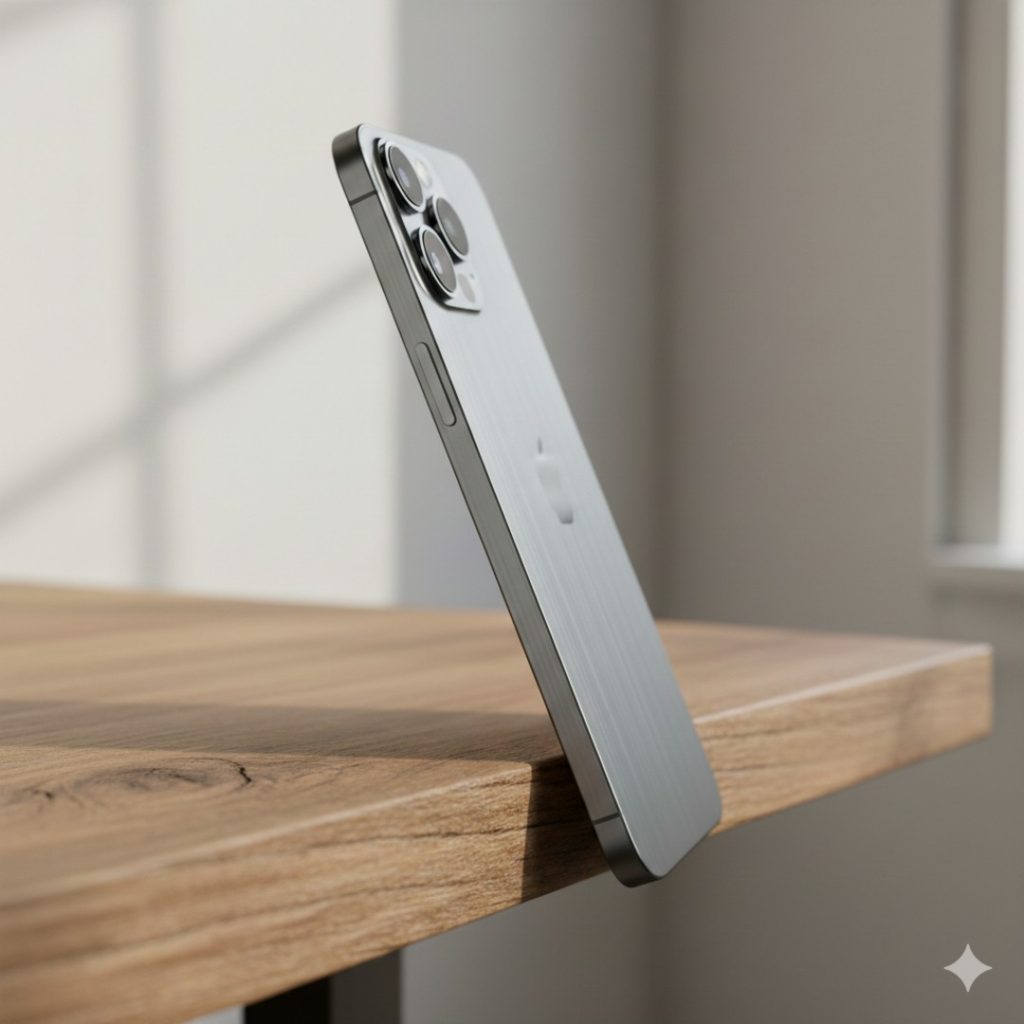
The image emphasizes the brushed texture of the titanium frame, the slight protrusion of the camera lenses
DISPLAY & VISUALS: Brighter, Smarter
Apple’s displays are already industry-leading, so how do they improve the iPhone 17 Pro screen? Two words: Efficiency and Brightness.
The current Pro displays max out around 2000 nits outdoors. The 17 Pro is rumored to utilize a new OLED material set (possibly from Samsung Display’s latest tech stack) that could push peak outdoor brightness closer to 3000 nits. Why do you need this? In the harsh Indian summer sun, it makes the difference between squinting at Google Maps and seeing it clearly.
Furthermore, if the under-display Face ID rumor pans out, the immersion factor goes through the roof. Watching Netflix or gaming on a screen that is virtually bezel-less with no intrusive cutout is a significant visual upgrade. ProMotion (120Hz) is a given, but we expect the LTPO technology to be even more aggressive at dropping to 1Hz to save battery when reading static text.
iPhone 17 Pro screen displaying a vibrant, high-contrast abstract colorful wallpaper.
PERFORMANCE: The 2nm Game Changer (A19 Pro)
Don’t waste your money on a Pro iPhone if all you do is WhatsApp and Instagram. Any iPhone from the last four years can handle that. You buy the Pro for raw, unadulterated power, especially for video editing and gaming.
The iPhone 17 Pro is expected to debut the A19 Pro chip, which is widely rumored to be built on TSMC’s 2-nanometer (2nm) process.
Why 2nm Matters
Going from 3nm (current gen) to 2nm isn’t just a marketing number. It allows Apple to pack billions more transistors into the same space.
Efficiency: The primary benefit is energy efficiency. We could see a 20-30% reduction in power consumption for the same workload compared to the A18 Pro.
The AI Engine (NPU): Apple is all-in on on-device AI. The Neural Engine in the A19 Pro will likely be doubled in size to handle complex generative AI tasks (like real-time video object removal or advanced Siri context) locally on the phone, without sending data to the cloud. This is crucial for privacy and speed.
Gaming: Expect console-quality gaming to become even smoother, with better ray-tracing performance and less thermal throttling during long BGMI or Genshin Impact sessions.
CAMERA: The Triple 48MP Dream
This is it. This is the section that will make photographers upgrade. For years, Apple used 12MP sensors, then moved just the main lens to 48MP. The Ultrawide and Telephoto lenses have lagged behind in resolution.
The iPhone 17 Pro is heavily tipped to be the first iPhone with three 48MP sensors on the back.
Why This Changes Everything:
The 48MP Ultrawide: Currently, ultrawide shots in low light get noisy fast. A 48MP sensor, using pixel binning (combining pixels for light gathering), will drastically improve nighttime landscape shots and macro photography.
The 48MP Telephoto (5x): This is the biggest deal. Right now, if you zoom past the optical 5x limit, the phone is digitally cropping into a 12MP image, and quality drops off a cliff. If the base telephoto image is 48MP, Apple can offer a “lossless” digital crop at 10x, giving you much more usable zoom range before things get blurry. It rivals Samsung’s dedicated 10x lens without needing a fourth camera.
ProRes Video: With all three sensors matching in resolution, color science and detail consistency when switching lenses during video recording will be seamless.
The Selfie Jump: The front camera is also rumored to finally jump from 12MP to 24MP. In the age of Zoom calls and high-res social media selfies, this is a long-overdue update that will offer sharper details and better crop potential for group selfies.
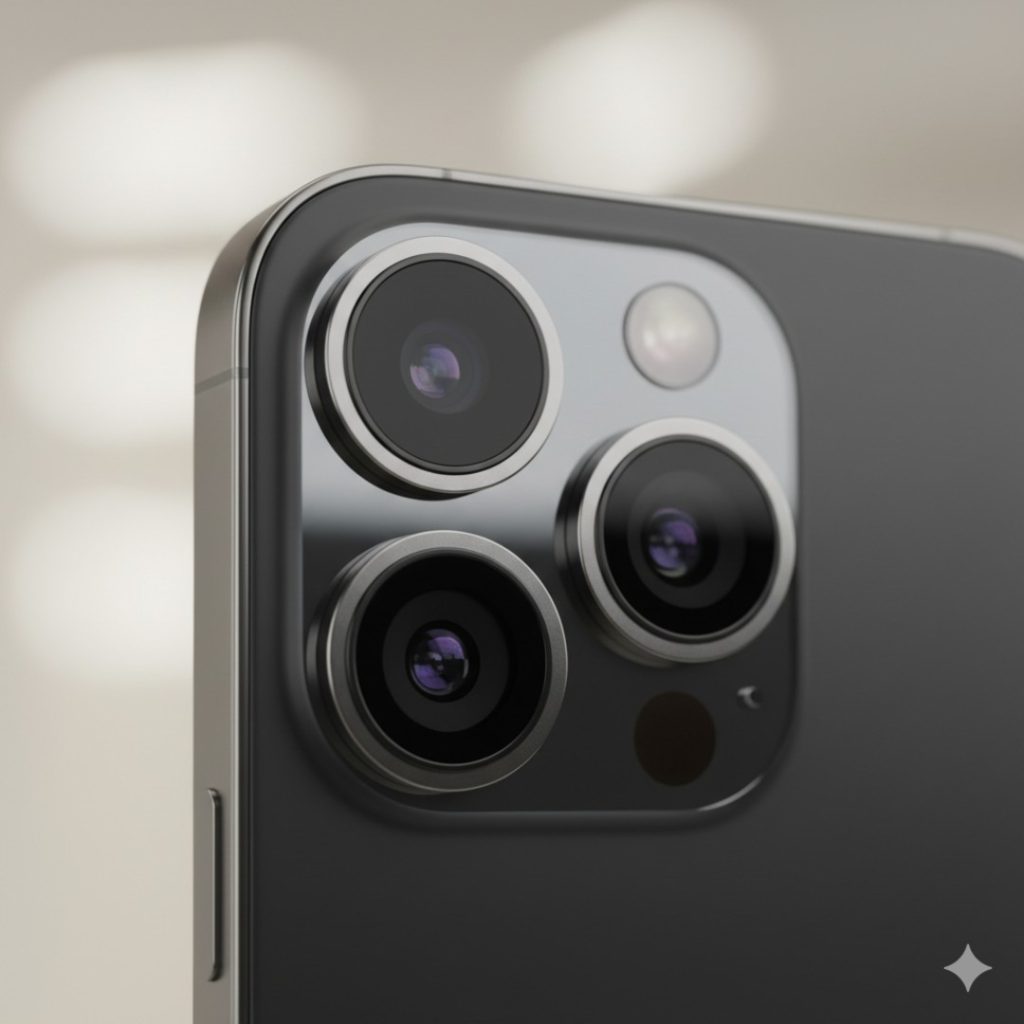
triple-lens camera module on the back of the iPhone 17 Pro. The lenses look large and advanced.
BATTERY & ENDURANCE
Battery life on the Pro models (not the Pro Max) has always been “good enough for a day,” but rarely a two-day affair.
The iPhone 17 Pro might finally break that barrier, thanks to two factors:
Stacked Battery Tech: Rumors suggest Apple is adopting stacked battery cell technology, similar to EVs, allowing for denser capacity in the same physical space. We might see the mAh rating creep closer to 4000mAh on the smaller Pro.
The 2nm Chip Efficiency: As mentioned, the A19 Pro’s main benefit will be sipping power rather than guzzling it.
Charging: We are desperately hoping Apple moves past the 27W fast charging speeds. In a world where competitors are offering 80W or 120W charging, Apple needs to step up. Rumors point to a potential boost to 40W wired charging, which would get you from 0% to 50% in under 20 minutes. MagSafe might also see a speed bump to 20W.
THE COMPETITION: The Late 2026 Landscape
By the time the iPhone 17 Pro lands, the Android world won’t be sleeping. Let’s look at the likely rivals.
iPhone 17 Pro vs. Samsung Galaxy S26 Ultra (Expected)
The eternal battle. Samsung always goes for “kitchen sink” specs.
Where Samsung Might Win: The S26 Ultra will likely still hold the crown for pure zoom reach (if they keep the 10x optical lens) and the utility of the built-in S-Pen, which Apple refuses to bring to the iPhone.
Where iPhone 17 Pro Will Win: Video recording consistency across lenses, raw processing power (the A19 will likely crush the Snapdragon equivalent in benchmarks), and ecosystem integration with Mac/iPad.
iPhone 17 Pro vs. Google Pixel 11 Pro (Expected)
Google plays a different game: Computational supremacy.
Where Pixel Might Win: Still photography. Google’s HDR and AI processing often produce more pleasing, dramatic still photos than iPhone’s flatter, more realistic approach. It will also be significantly cheaper in India.
Where iPhone 17 Pro Will Win: Build quality (Titanium vs Aluminum), video capabilities (Pixel still struggles here), and sheer raw horsepower for gaming.
FINAL VERDICT: The “Supercycle” is Real
The iPhone 17 Pro is shaping up to be the most significant upgrade since the iPhone 12 Pro introduced 5G and the flat-edge design.
If the rumors hold true—specifically the triple 48MP cameras and the 2nm chip—this is not just another yearly refresh. This is a foundational shift in imaging and processing power.
For the Indian consumer, the price tag is going to be eye-watering, likely pushing near ₹1.4 Lakhs for the base model. But for that price, you are likely getting a device that will remain top-tier for 4-5 years, not just 2.
Should you wait?
YES, wait and buy it if:
You are currently using an iPhone 14 Pro or older. The jump in camera and display tech will be massive.
You are a mobile content creator. The triple 48MP setup for video and photos is a professional dream.
You want the absolute best performance and battery efficiency that a 2nm chip can provide.
SKIP it (or buy the current model) if:
You just bought an iPhone 15 Pro or 16 Pro. Your phone is still incredible; the changes aren’t worth the financial hit of upgrading so soon.
Your budget is tight. The older Pro models will see price cuts when the 17 launches, offering better value.
You don’t care about zoom photography or pro-level video features.
Projected Rating: 4.8/5 Stars (Pending final review)
Let’s cut through the marketing noise. Usually, when a brand adds a “T”, “R”, or “FE” to a phone’s name, it means one thing: compromise. They strip away the metal build, downgrade the cameras, and sell you a plastic phone with a fast processor.
But the Vivo X200t seems to be rewriting that rulebook.
Scheduled for a late January 2026 launch in India, this phone is shaping up to be the “dark horse” of the year. Why? Because leaks suggest it is keeping the one thing that actually matters: The Zeiss Camera System. We are talking about a phone that potentially packs a Triple 50MP setup—including a periscope zoom—at a price point where Samsung and Apple only give you basic dual cameras.
If you are holding ₹60,000 in your pocket and eyeing the OnePlus 13R or the base Galaxy S25, pause. The real truth is, the Vivo X200t might just be the better buy. Let’s break down why.
Vivo X200t in a stunning ‘Seaside Lilac’ color. Studio lighting highlights the circular Zeiss camera module and the sleek curved edges.
QUICK SPECS TABLE (The “Flagship Killer” Sheet)
Note: These specifications are based on high-confidence supply chain leaks and certification listings (BIS/3C) as of January 2026.
Feature
Vivo X200t (Expected Specs)
Why It Matters
Processor
MediaTek Dimensity 9400+
An overclocked beast. Beats the Snapdragon 8 Gen 3 easily.
Main Camera
50MP Sony LYT-702 (OIS)
Zeiss T* Coating means zero lens flare and pro-grade colors.
Telephoto
50MP Sony LYT-600 Periscope
3x Optical, 100x Digital. Rare at this price.
Ultrawide
50MP Samsung JN1
High-res ultrawide shots, not the usual 8MP junk.
Battery
6200mAh (Silicon-Carbon)
A massive jump from the industry standard 5000mAh.
Charging
90W Wired + 40W Wireless
Wireless charging is often cut in “T” models, but not here.
Display
6.67″ 1.5K AMOLED, 120Hz
Sharp, vibrant, and likely boasting 4500 nits peak brightness.
Build
IP68 & IP69 Rating
Can withstand high-pressure water jets. Extremely durable.
Expected Price
₹59,999 (12GB/256GB)
Undercuts the “Ultra” flagships by half.
DESIGN & BUILD: Tougher Than It Looks
The “T” series usually feels cheap. Not this one. Vivo is bringing its Armor Architecture down to this price point.
The Look:
Expect a circular camera module on the back—a signature of the X series. Unlike the massive protrusion on the X200 Ultra, the X200t’s bump is sleeker, designed to slide into a jeans pocket without snagging. It will likely come in Stellar Black and a unique Seaside Lilac.
The Feel:
The real story here is the IP69 rating. Most phones stop at IP68 (submersion). IP69 means this phone can handle high-pressure, high-temperature water jets. You could technically accidentally blast it with a pressure washer, and it would survive.
Weight: Despite the huge battery, it’s expected to weigh around 197g. How? Silicon-Carbon battery tech (more on that later).
Vivo X200t resting on a wooden desk. The image captures the slim metal frame and the slight curvature of the screen.
DISPLAY & VISUALS: 1.5K is the Sweet Spot
Don’t waste your money chasing 4K screens on a phone. You can’t see the pixels, and it drains your battery.
The Vivo X200t uses a 1.5K (2800 x 1260) AMOLED panel, which is the perfect balance between sharpness and efficiency.
Brightness: Leaks point to a peak brightness of 4500 nits. In the Indian summer, this means your screen is perfectly readable even under direct noon sunlight.
PWM Dimming: For those with sensitive eyes, Vivo is expected to include 2160Hz High-Frequency PWM dimming. This reduces eye strain when you are scrolling through Instagram in bed at night.
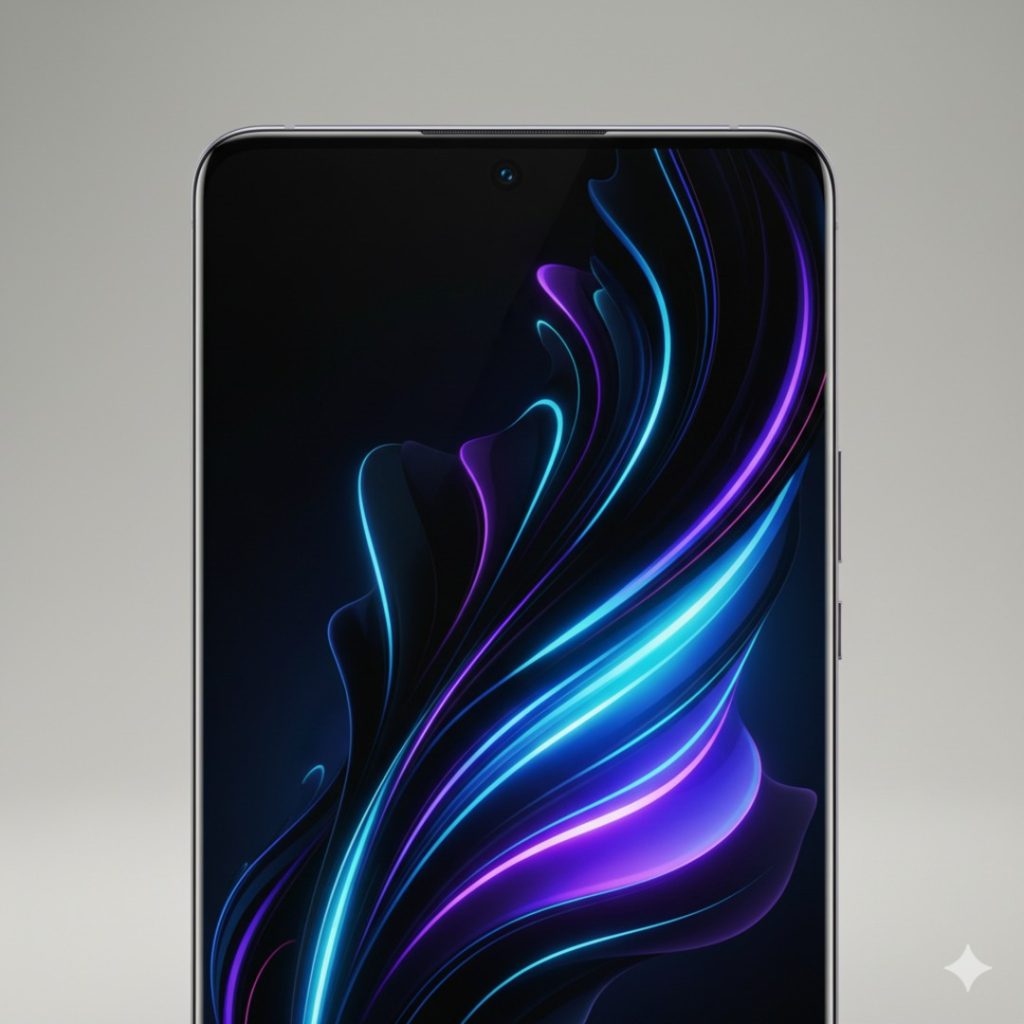
Vivo X200t screen showing a vibrant, colorful abstract wallpaper with deep blacks and neon blues.
PERFORMANCE: The Dimensity 9400+ Advantage
Here is the controversial part. It doesn’t have a Snapdragon chip. It uses the MediaTek Dimensity 9400+.
The Truth: Two years ago, this might have been a downside. In 2026? MediaTek is crushing it. The 9400+ is a 3nm chip that benchmarks higher than the Snapdragon 8 Gen 3 in multi-core performance.
Gaming: We expect this phone to run Genshin Impact and BGMI at 90FPS/120FPS without breaking a sweat. Vivo’s “V3” imaging chip also doubles as a frame interpolator for games, making 60fps games look like 90fps.
Thermals: With a 6200mAh battery, there is physically more mass to dissipate heat. Expect cooler sustained performance than smaller compact phones.
CAMERA: The Zeiss Difference (Niche Deep Dive)
This is why you buy this phone. Period.
Most “Flagship Killers” (like the OnePlus R series or iQOO Neo) give you a good main camera and trash secondary cameras. The Vivo X200t goes for the “All Main Camera” philosophy.
Main Shooter (50MP Sony LYT-702):This sensor is physically large (1/1.56″). Combined with Zeiss T* coating, night shots will have zero “ghosting” or glare from streetlights.
The Periscope (50MP Sony LYT-600):This is the killer feature. A dedicated 3x optical zoom periscope lens at this price is rare. It allows you to take stunning portraits with natural bokeh (background blur) that looks like it came from a DSLR, not a software filter. The “Zeiss Portrait Styles” (Biotar, Planar, Distagon) are included.
The Ultrawide (50MP):Finally, a 50MP ultrawide. This means your landscape shots of the Himalayas or group photos at a wedding won’t look grainy when you zoom in.
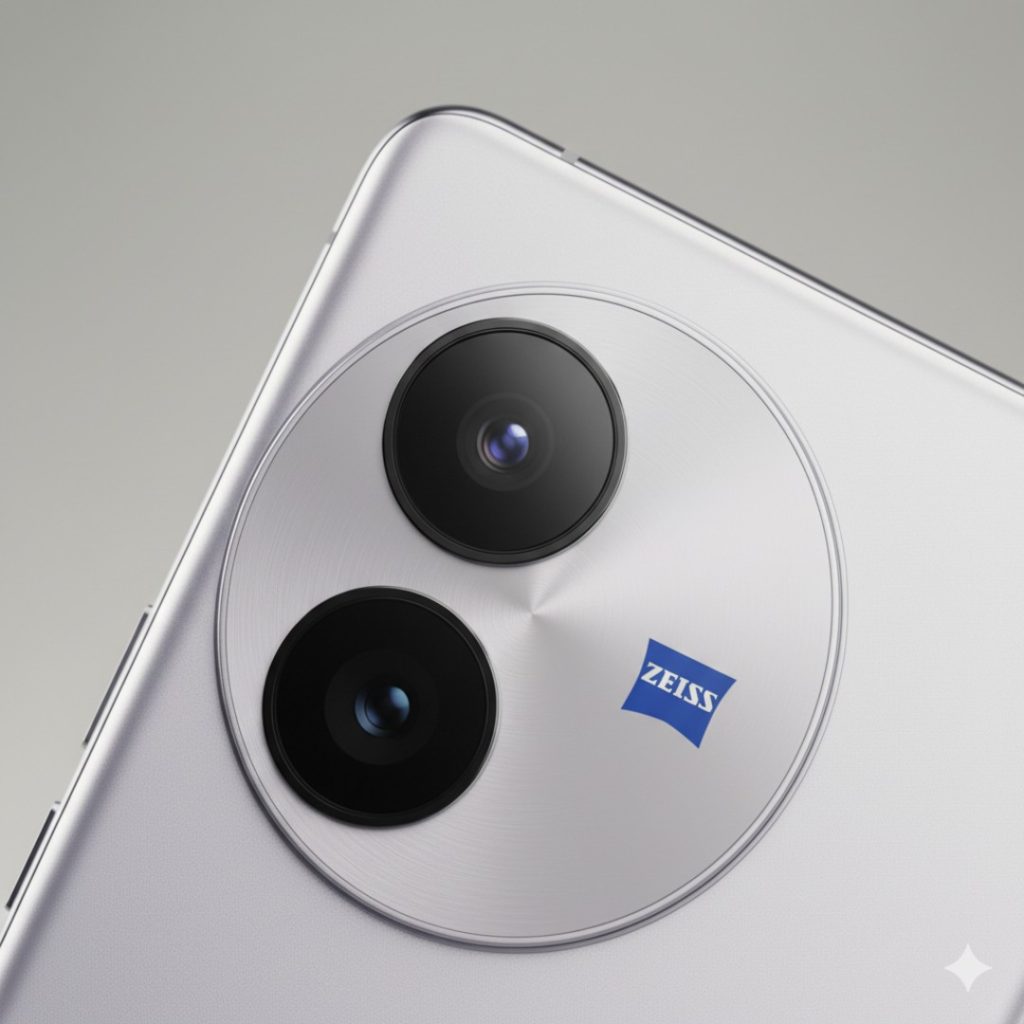
Camera Module on the Vivo X200t. The Zeiss blue logo is visible. The lens glass reflects a soft light
BATTERY & ENDURANCE: A Two-Day Phone?
The specs sheet says 6200mAh. In the real world, this changes your life.
The Technology: Vivo is using “BlueOcean” Silicon-Carbon anodes. This allows them to pack more energy density into a smaller space. It’s the same tech used in electric vehicles.
Real World: You can leave for work at 8 AM, use 5G all day, watch 2 hours of Netflix, and come home with 35-40% left.
Charging: 90W FlashCharge means 0-50% in roughly 18 minutes. It’s not the fastest (120W exists), but it keeps the battery healthy for longer (Vivo claims 4 years of battery health).
THE COMPETITION: Battle of the Sub-60K Titans
Let’s look at the battlefield.
Vivo X200t vs. OnePlus 13R
Price: OnePlus 13R is likely cheaper (~₹45,000 – ₹50,000).
Where OnePlus Wins: Cleaner UI (OxygenOS), slightly better custom ROM support.
Where Vivo X200t Wins:Camera. The 13R usually drops the telephoto lens entirely. Vivo gives you a 50MP periscope. Vivo also has a bigger battery (6200mAh vs 5500mAh).
Vivo X200t vs. iQOO 13
Price: Similar (~₹55,000).
Where iQOO Wins: Pure gaming. Likely has better haptics and a flat screen (preferred by gamers).
Where Vivo X200t Wins:Versatility. The iQOO is a gaming beast but lacks the refined portrait capabilities and Zeiss color science of the X200t.
Winner: If you are a Gamer, buy iQOO. If you take Photos, buy Vivo X200t.
FINAL VERDICT: The Smartest Buy of 2026?
The Vivo X200t is essentially a flagship phone wearing a disguise. It offers 95% of the experience of the ₹90,000 Vivo X200 Pro for roughly ₹60,000. It is the perfect middle ground for Indian users who want premium photos without selling a kidney.
Buy it if:
You are a Portrait Lover: The 3x Zeiss Periscope camera is unmatched in this price segment.
You have Battery Anxiety: 6200mAh is a monster capacity that will easily last 1.5 to 2 days.
You want Durability: IP69 rating means this phone is built like a tank against water and dust.
Skip it if:
You Hate Curved Screens: Vivo loves curves; if you prefer flat edges, look at the Samsung S25 or iQOO 13.
You need the absolute best Video: While great, the iPhone 16/17 still holds the crown for video stabilization and audio.
You are on a tight budget: At ₹60K, it’s premium. If your budget is ₹40K, stick to the Vivo V-series or OnePlus R-series.
In the budget segment (under ₹15,000), we usually expect compromises. You get a plastic body, average battery, and a screen that cracks if you look at it wrong. But the Realme 14x 5G is trying to change that narrative.
Marketed as the “Rugged Budget King,” this phone brings something we’ve never seen at this price point: IP69 Water & Dust Resistance. That’s a higher rating than most ₹1 Lakh flagships! Combine that with a massive 6000mAh battery and a “Crystal” design, and it sounds like the perfect phone for college students, delivery partners, and rough users.
But let’s look past the marketing. With a 720p display and a modest processor, is it cutting too many corners? I dunked it in water, dropped it, and used it for a week to find out.
Realme 14x 5G in ‘Golden Glow’ or ‘Crystal Black’ color, submerged in a clear glass bowl of water to demonstrate IP69 rating.
2. Quick Specs: The Numbers Game
Feature
Realme 14x 5G
Price (India)
₹13,999 (6GB/128GB) – ₹15,999 (8GB/128GB)
Processor
MediaTek Dimensity 6300 (6nm)
Display
6.67″ HD+ IPS LCD, 120Hz Refresh Rate
Battery
6000 mAh (The Highlight)
Charging
45W SuperVOOC
Durability
IP69 (Hot Water Jet Resistant) & Military Grade Shock Proof
IP69 Rating: Most phones have IP54 (splash proof) or IP68 (submersion). IP69 means this phone can withstand high-pressure, high-temperature water jets. You could theoretically wash this phone under a kitchen tap (though we don’t recommend making it a habit).
The Look: It features a “Diamond” pattern back that reflects light beautifully. It doesn’t look like a rugged brick; it looks stylish.
In-Hand Feel: It’s slightly thick (approx. 7.9mm) but feels dense and solid. The flat edges give a good grip.
Durability: I accidentally dropped it from waist height onto a tiled floor. Result? Zero damage. The “ArmorShell” protection works.
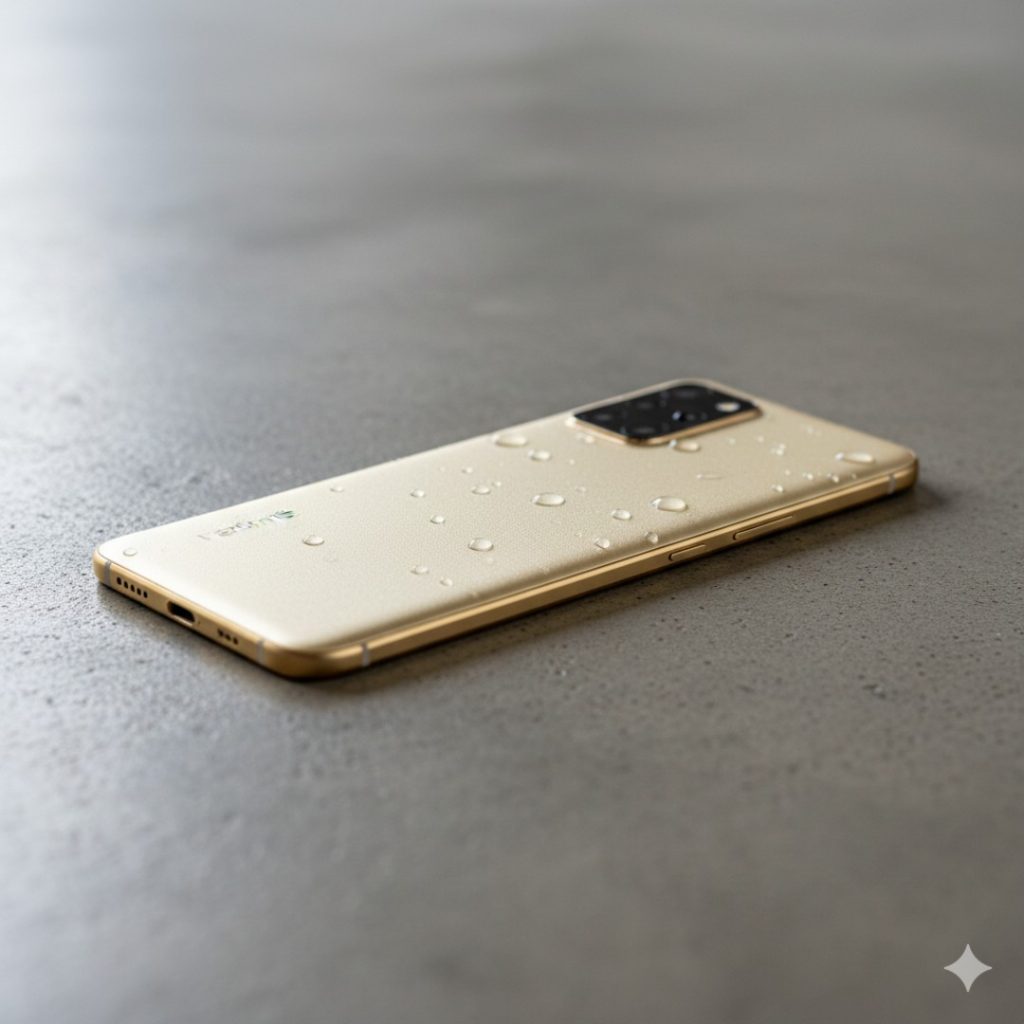
Realme 14x 5G showing the flat edges and the texture of the back panel. A few water droplets on the surface.
4. Display & Visuals: The Weak Link?
Here is where the budget cuts show.
Resolution: It’s an HD+ (720p) panel, not Full HD+. In 2026, a 720p screen at ₹14,000 feels like a step back. Text looks slightly soft if you look closely.
Brightness: With 625 nits peak brightness, it struggles a bit under direct 2 PM sunlight. You’ll find yourself shielding the screen to read maps.
Smoothness: The 120Hz refresh rate saves the day. Scrolling through Instagram feels buttery smooth, making the lower resolution less noticeable during motion.
Realme 14x 5G screen showing a colorful game interface. Highlighting the punch-hole camera
5. Performance & Gaming: Strictly for Casuals
The MediaTek Dimensity 6300 is a reliable workhorse, but it’s not a racehorse.
Daily Usage: For WhatsApp, YouTube, and UPI payments, it’s flawless. Apps open relatively quickly, and the 8GB RAM variant holds apps in memory well.
Gaming Test (BGMI/Free Fire):
Settings: Smooth + Ultra (40fps). It does not support 60fps or 90fps gaming.
Experience: It’s playable, but don’t expect competitive-level performance.
Heating: Thanks to the lower power chip and large body, it barely heats up. Even after 45 minutes of gaming, it remained cool.
6. Camera: Good Day, Bad Night
Realme usually does well with cameras, and the 14x is “decent” for the price.
Main Camera (50MP): In daylight, photos are punchy with boosted colors (classic Realme style). HDR works well to balance bright skies.
Low Light: This is where it struggles. Without OIS (Optical Image Stabilization), night shots are often grainy or blurry unless you have very steady hands.
Selfie (8MP): It gets the job done for video calls, but don’t expect influencer-level selfies. Skin tones tend to be a bit whitened.
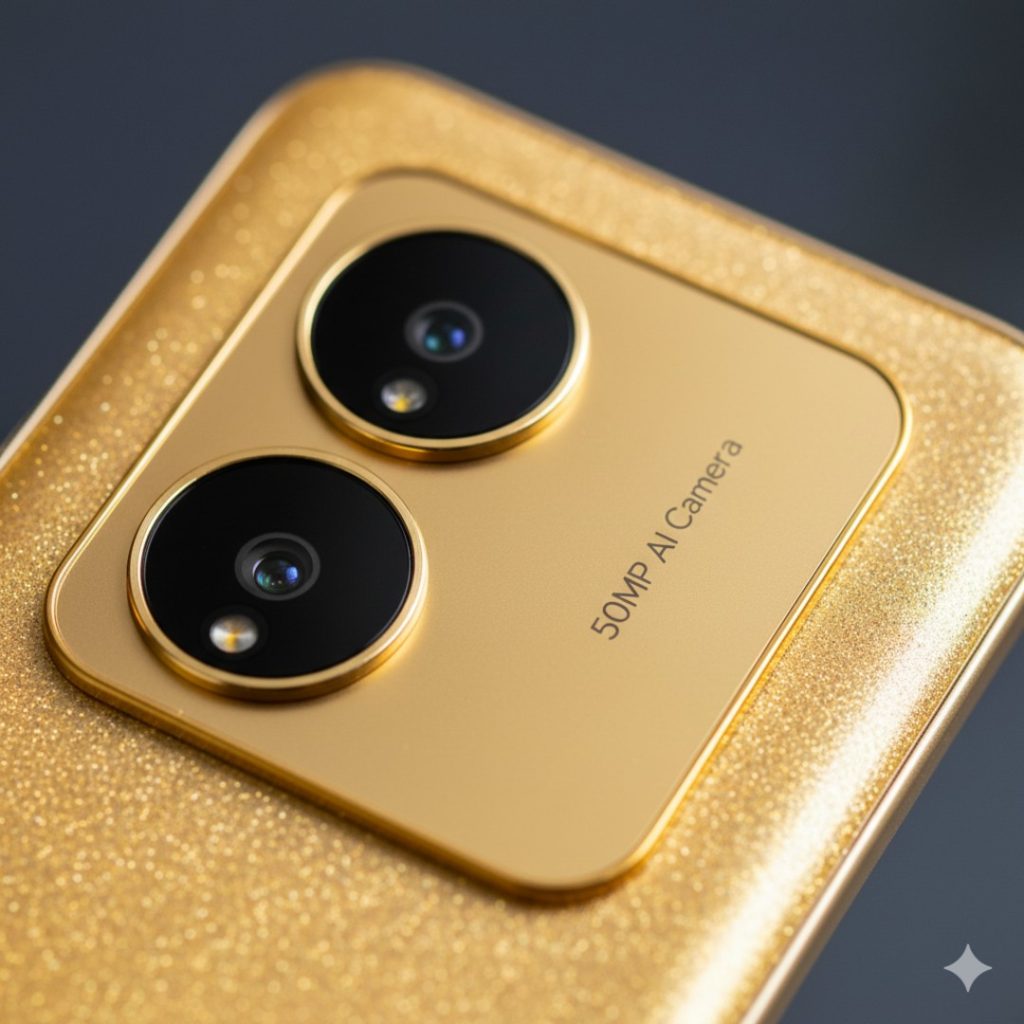
dual camera rings on the back of Realme 14x 5G. ’50MP AI Camera’ text visible. Sparkling texture of the back panel.
7. Battery & Endurance: The Marathon Runner
This is why you buy this phone.
Capacity:6000 mAh.
Real World Test: I tried to kill this battery in one day, and I failed.
Scenario: 2 hours of Navigation, 3 hours of Video streaming, 1 hour of Gaming, and constant 5G data.
Result: Ended the day with 35% still left. This is easily a 2-day phone for moderate users.
Charging: The 45W SuperVOOC charger takes about 1 hour and 10 minutes to fill the massive 6000mAh tank.
8. The Competition: Realme 14x vs The World
How does it stack up against the 2026 budget rivals?
Feature
Realme 14x 5G
Redmi 15C 5G
Moto G46 5G
Price
₹13,999
₹12,999
₹14,499
Display
HD+ LCD (120Hz)
FHD+ LCD (90Hz)
FHD+ LCD (120Hz)
Battery
6000 mAh
5000 mAh
5000 mAh
Durability
IP69 (Best)
IP53
IP52
Processor
Dimensity 6300
Dimensity 6300
Snapdragon 4 Gen 3
Verdict
Buy for Durability
Buy for Display
Buy for Clean UI
Winner: If you are a clumsy user or work outdoors, the Realme 14x wins hands down. If you watch a lot of Netflix, the Redmi 15C (with its FHD+ screen) is sharper.
9. Final Verdict: The “Rough & Tough” Champion
The Realme 14x 5G is a niche phone disguised as a mass-market one. It prioritizes Reliability (Battery + Durability) over Luxury (Screen + Camera).
Buy it if:
You work outdoors: The IP69 rating means rain, dust, and sweat won’t kill it. Ideal for delivery partners or field workers.
You hate charging: The 6000mAh battery is a beast.
You want 5G on a budget: It offers solid 5G bands and connectivity.
Skip it if:
You consume a lot of media: The 720p screen is a letdown in 2026.
You are a Gamer: The processor is entry-level.
You take Night Photos: The camera struggles in low light.
Let’s be real for a second. For the past three years, Realme has been doing one thing better than anyone else: making ₹25,000 phones look like they cost ₹80,000. They brought us the Gucci designer collaborations, the Rolex-inspired camera rings, and the curved displays when everyone else was doing flat plastic.
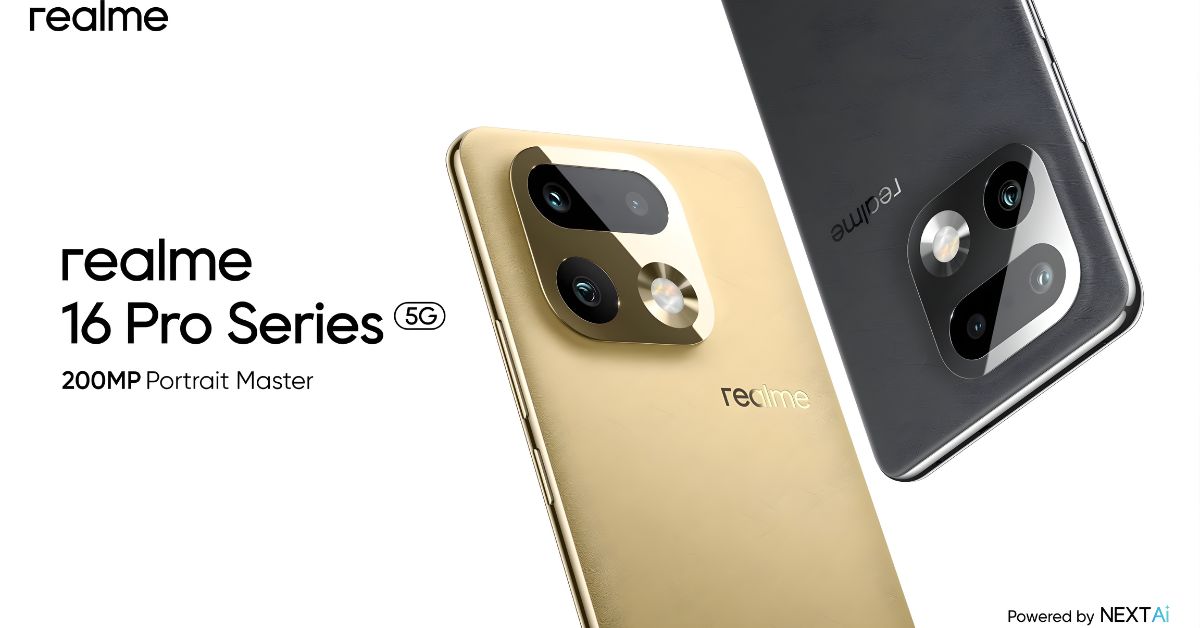
Now, in early 2026, the Realme 16 Pro Series (comprising the 16 Pro and 16 Pro+) has landed. The hype train is full steam ahead, claiming “DSLR-level portraits” and “Flagship performance.”
But as an Indian buyer, you know the drill. A pretty face doesn’t mean a good heart. Is the camera actually good, or is it just AI over-processing? Does the battery survive a day of Jio 5G and Instagram Reels? And most importantly, with the price creeping closer to ₹30,000, should you actually buy this over the performance-heavy POCO or the reliable Samsung?
I’ve used the Realme 16 Pro+ as my primary device for the last 10 days in Delhi traffic and Mumbai locals. Here is the unfiltered truth.
Realme 16 Pro+ in a ‘Sunrise Beige’ vegan leather finish, presented with studio lighting against a neutral background.
3. Design & Build: Still the Best Looking Mid-Ranger?
If you pull this phone out in a metro, people will look.
The Material: Realme continues its love affair with Vegan Leather. The 16 Pro series features a new “Skin-Feel” texture that feels premium and provides excellent grip. No cheap plastic back here.
The Weight: Despite the huge battery, it feels surprisingly light (approx. 190g). The weight distribution is centered, so it doesn’t topple out of your hand.
The Curve: Yes, the curved screen is back. While gamers might hate it (accidental touches), for media consumption, it looks borderless and expensive.
The Bad News: The frame is still plastic. At ₹30k, metal would have been nice, but they spent all the budget on the leather back.
Realme 16 Pro+ showing the golden curvature of the screen and the camera bump thickness. Real-world environment (e.g., placed on a dark wooden desk next to coffee).
4. Display & Visuals: A Visual Treat
Realme knows its audience loves binge-watching.
Quality: You get a 1.5K OLED panel with 10-bit color depth. Colors are punchy—typical Realme saturation. If you love natural colors, you’ll need to switch to “Cinematic” mode in settings.
Brightness: We tested outdoor visibility at 1 PM noon. With 2500 nits peak brightness, the screen is legible, though not as blindingly bright as flagship Samsungs.
PWM Dimming: It comes with 2160Hz PWM dimming, which is a blessing if you use your phone in bed at night. No more headaches from screen flicker.
Realme 16 Pro screen showing a vibrant, colorful abstract wallpaper with deep blacks. Sharp details of the curved edges.
5. Performance & Gaming: Good, Not Great
This is where the “Don’t waste your money if…” advice comes in.
If you are a hardcore gamer looking for 90FPS stable in BGMI for 4 hours straight, this phone is NOT for you.
The Processor: The Snapdragon 7+ Gen 4 (in the Pro+) is a capable chip. It handles daily tasks like butter. App opening speeds are instant.
Gaming Test (BGMI/COD):
Casual Gaming: Runs Smooth + 60fps easily.
Hardcore: After 30 minutes, the phone warms up near the camera module (approx. 43°C). It throttles slightly to keep temperatures down.
Comparison: A POCO F7 or X8 Pro at the same price will give you raw performance that beats this by 20-30%. Realme focuses on “Experience,” not raw “Power.”
6. Camera: The “Periscope” King?
This is the only reason you are buying the Realme 16 Pro+ over a Redmi or POCO.
Main Camera (200MP): It captures an insane amount of detail. Daylight shots are crisp. The shutter speed has improved significantly from the 15 Pro series.
The Star Show – 3x Periscope Zoom: This is a feature usually found in ₹80k phones.
Portraits: The 3x portrait mode is phenomenal. The background blur (bokeh) looks optical, not fake software blur. It separates hair strands perfectly.
Zoom: You can zoom up to 6x losslessly (in-sensor zoom). It’s genuinely useful for clicking photos of monuments or concerts from a distance.
Night Mode: It brightens up the scene aggressively. Sometimes it makes night look like day, which isn’t always good, but social media loves it.
Video: 4K recording is decent, but stabilization (OIS) still feels a bit jittery compared to an iPhone or Samsung.
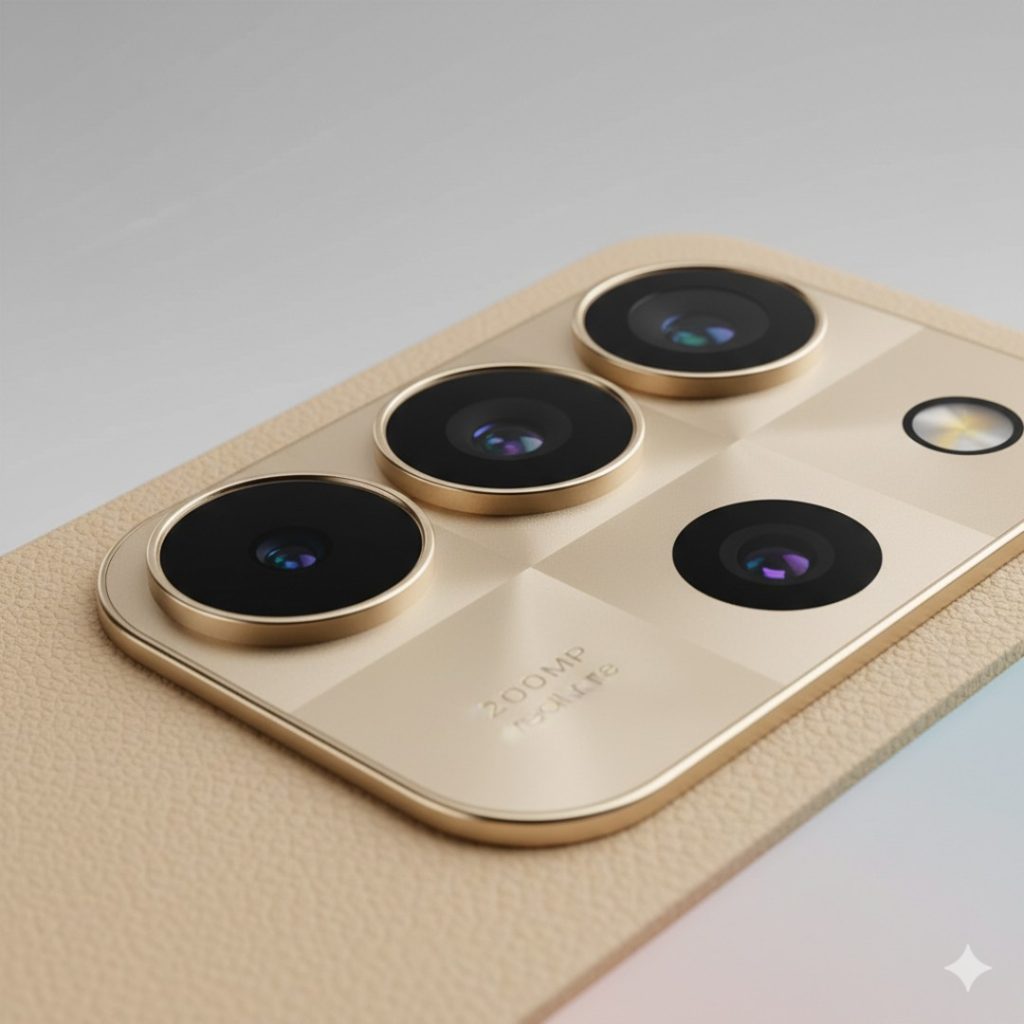
circular Camera Module on the back, highlighting the ‘200MP’ text and the square periscope lens. High detail, golden ring accent.
7. Battery & Endurance: Finally, 5500mAh!
Realme heard our complaints about battery life.
The Capacity: They packed a 5500 mAh battery inside a slim body.
Real World Test:
Usage: 2 hours Instagram, 1 hour Youtube, Calls, WhatsApp, 5G Data always on.
Result: I ended the day with 25% battery left. It is a solid 1.5-day phone for light users.
Charging: The 100W SuperVOOC charger is in the box (Thank you, Realme!).
0 to 50%: 12 Minutes.
0 to 100%: 26 Minutes.
The Catch: The phone gets quite hot during charging, so don’t keep it under a pillow.
8. The Competition: Realme 16 Pro+ vs The World
The ₹30,000 segment is a warzone. Here is how it stands against the Auto-Detected Rivals.
Feature
Realme 16 Pro+
Redmi Note 15 Pro+
POCO F7
Primary Focus
Camera & Design
Balanced All-rounder
Raw Performance
Camera
200MP + Periscope (Best)
200MP (No Periscope)
64MP (Average)
Performance
SD 7+ Gen 4 (Good)
Dimensity 8400 (Better)
SD 8s Gen 4 (Best)
Build
Vegan Leather (Premium)
Glass (Classic)
Plastic (Cheap)
Winner
Buy for Camera
Buy for Value
Buy for Gaming
Journalist’s Take: If you want to take photos that make your friends ask “Which DSLR is this?”, pick the Realme. If you want to play games all day, pick the POCO.
9. Final Verdict: Style Over Substance?
The Realme 16 Pro Series is not a perfect phone. It is not the fastest, and the software (Realme UI) still pesters you with “Hot Apps” and “Hot Games” notifications (which you must turn off immediately).
However, it offers something rare in the mid-range: Character. It looks beautiful, feels great to hold, and that Periscope Zoom camera is a legitimate flagship feature that changes how you take photos.
Buy it if:
You are a Portrait Lover: The 3x zoom portraits are the best under ₹40,000. Period.
You care about looks: You want a phone that stands out and feels premium without a case.
You need Fast Charging: 26 minutes to full charge changes your daily habits.
Skip it if:
You are a Hardcore Gamer: The thermal throttling will annoy you in competitive matches.
You hate Bloatware: You will spend the first 30 minutes deleting junk apps.
You need pure utility: The curved screen is fragile; one drop and it’s an expensive repair.
Let’s get one thing straight—iQOO is no longer the “underdog” brand trying to undercut OnePlus by a few thousand rupees. With the iQOO 15, they have officially kicked the door down and entered the ultra-premium territory.
Launched at a starting price of ₹72,999, this phone isn’t cheap. But on paper, it looks like a monster. It packs the latest Snapdragon 8 Elite Gen 5, a massive 7000mAh battery (yes, you read that right), and a display that could probably outshine the sun.
But specs are just numbers. Does it actually deliver in the Indian heat? Does the battery last 2 days? And most importantly, have they finally fixed the average cameras? I used the “Legend” edition for two weeks as my daily driver, and the results surprised me.
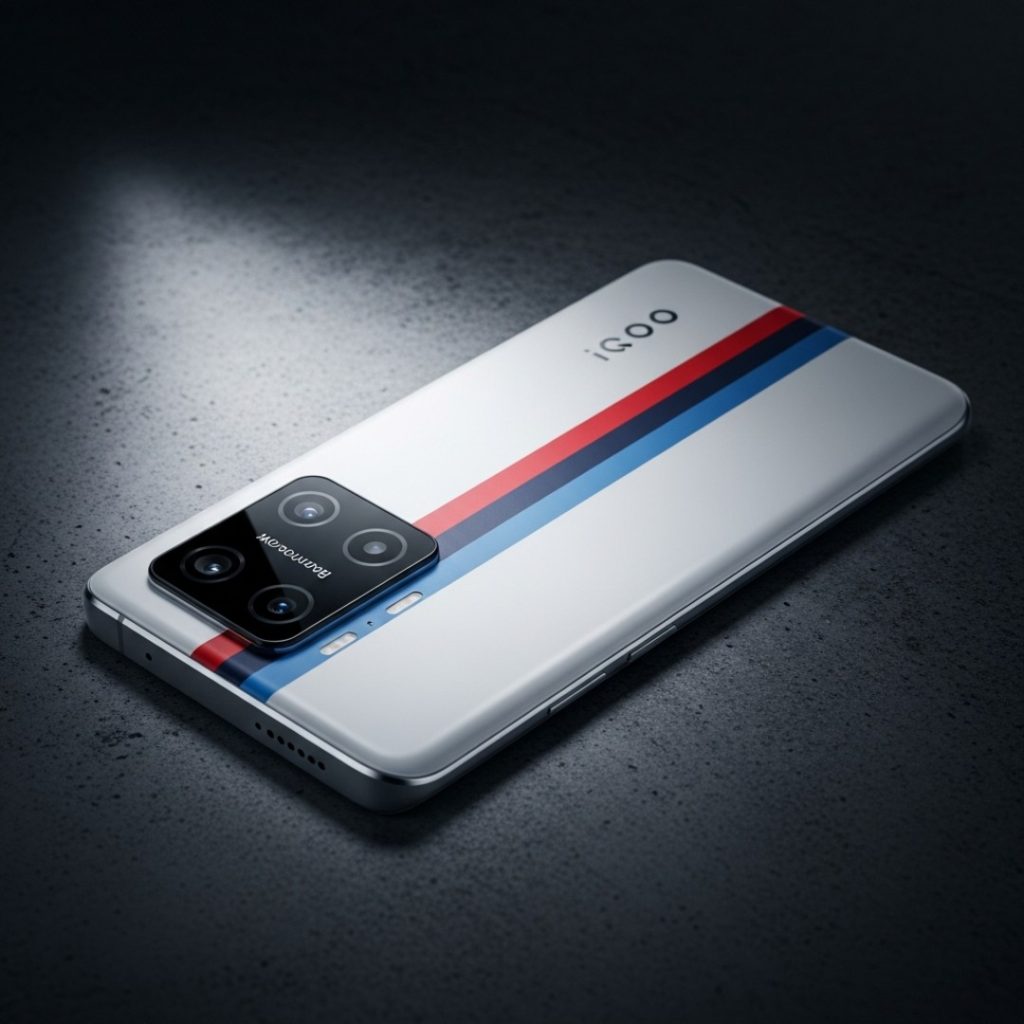
iQOO 15 Legend Edition (White with BMW stripes) resting on a dark concrete surface. Studio lighting highlighting the camera module.
For years, iQOO phones felt like plastic toys compared to Samsung or Apple. The iQOO 15 changes that narrative.
The Build: It features a glass sandwich design with an aluminum frame. The “Legend” edition (White) still has the BMW stripes, but the texture is now a matte, soft-touch glass that resists fingerprints beautifully.
The Weight: Despite housing a 7000mAh battery, it weighs around 215g. It’s heavy, yes, but the weight distribution is excellent. It doesn’t feel “top-heavy” like the Vivo X200 Ultra.
Durability: It now comes with IP69 rating, meaning it can withstand high-pressure hot water jets. You can practically wash this phone under a tap without worry.
iQOO 15 showing the sleek metal frame, power button texture, and the slight curve of the back panel.
4. Display & Visuals: A Visual Treat
iQOO has ditched the curved screen trend. The iQOO 15 sports a Quad-Curved Floating Display—it looks flat but feels curved at the edges for smooth swipes.
Brightness: With a peak brightness of 6000 nits, outdoor visibility is insane. Even under the harsh Delhi noon sun, I could read WhatsApp messages without squinting.
Refresh Rate: The 144Hz LTPO panel is buttery smooth. Unlike competitors that lock 144Hz to games only, iQOO allows you to force 144Hz on system apps, making scrolling addictive.
Ultrasonic Fingerprint: They finally upgraded from optical to Ultrasonic. It unlocks instantly, even if your thumb is wet or oily.
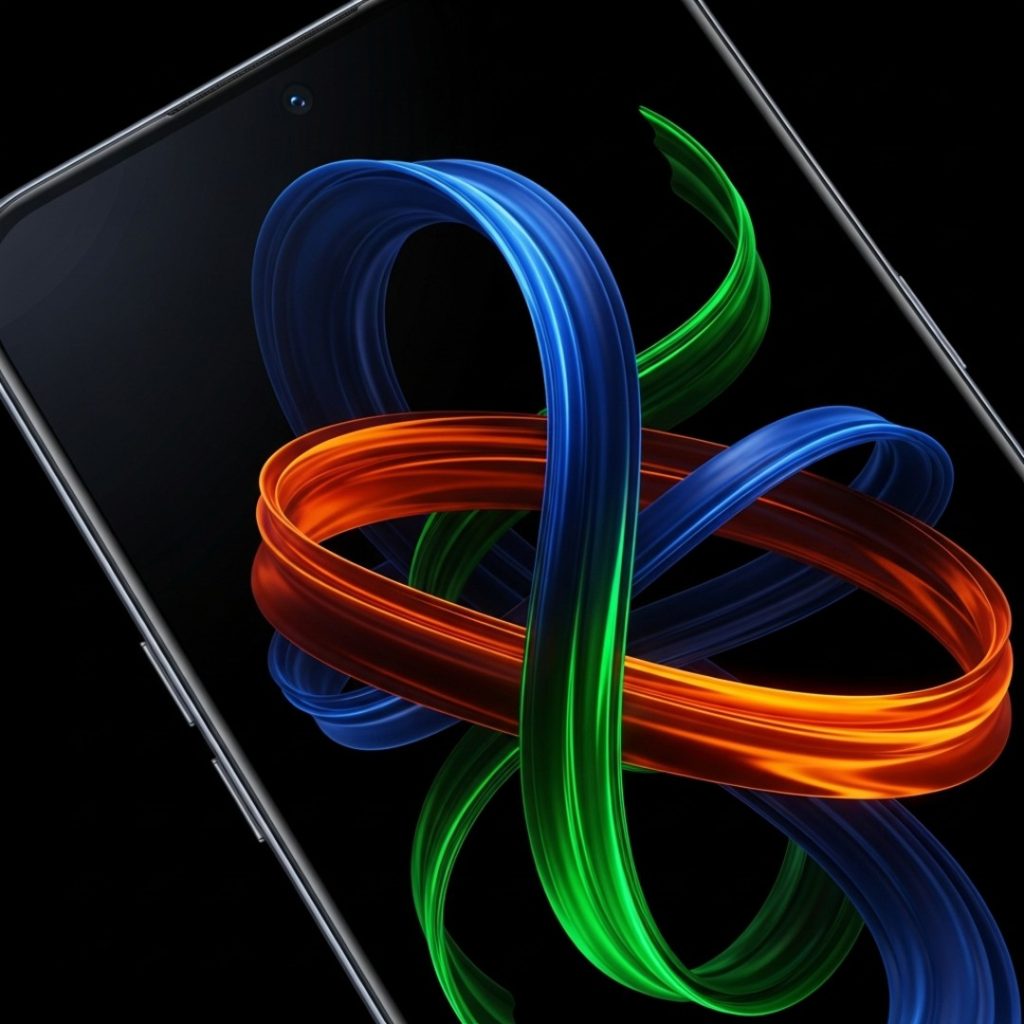
iQOO 15 screen displaying a vibrant, high-contrast abstract wallpaper with deep blacks.
5. Performance & Gaming: The God Tier
This is why you buy an iQOO. The Snapdragon 8 Elite Gen 5 combined with the proprietary Q3 SuperComputing Chip is a cheat code.
AnTuTu Score: It casually scored 3.6 Million+ in our tests. This is currently one of the highest scores we’ve seen on an Android phone in India.
Gaming Test (Genshin Impact):
Settings: Highest, 60fps.
Result: A rock-solid 59-60fps average over a 1-hour session.
Heating: The phone reached 44°C, which is warm but not “burn your fingers” hot, thanks to the massive VC cooling chamber.
Game Interpolation: The Q3 chip can artificially boost games like BGMI to 144fps. It adds slight input latency, so pro players might turn it off, but for casuals, the smoothness is visually stunning.
6. Camera: The Surprise Package
Usually, gaming phones have potato cameras. The iQOO 15 borrows heavily from its cousin, the Vivo X series, to fix this.
Main Camera (50MP Sony IMX921): The daylight shots are crisp with excellent dynamic range. The shutter speed is instant—zero lag.
Telephoto (50MP Periscope): This is the game-changer. The 3x Optical Zoom takes stunning portraits. The background blur (bokeh) looks natural, not software-generated. It can do up to 100x digital zoom, but photos remain usable only up to 10x-20x.
Ultrawide (50MP): No more 8MP useless sensors. The 50MP ultrawide matches the main camera’s color science perfectly.
7. Battery & Endurance: The 2-Day Champion
This is the killer feature. iQOO has packed a 7000mAh Silicon-Carbon Battery inside a body that isn’t a brick.
Real World Drain:
1 hour Instagram Reels: -5%
1 hour BGMI Gaming: -12%
Overnight Standby: -1%
The Verdict: With heavy usage (5G on, gaming, camera), I ended the day with 35% charge left. For a moderate user, this is easily a 1.5 to 2-day phone.
Charging: The 100W charger (included in the box) takes the phone from 0 to 100% in roughly 32-35 minutes. It’s not the fastest (Realme does it faster), but for a 7000mAh cell, it’s impressive.
8. The Competition: iQOO 15 vs The World
We compared the iQOO 15 against its two biggest rivals: the OnePlus 15 and Realme GT 8 Pro.
Feature
iQOO 15
OnePlus 15
Realme GT 8 Pro
Price
₹72,999
₹72,000
₹72,999
Processor
SD 8 Elite Gen 5
SD 8 Elite Gen 5
SD 8 Elite Gen 5
Battery
7000 mAh
7300 mAh
7000 mAh
Charging
100W
100W
120W
Camera
Triple 50MP (Best Zoom)
Triple 50MP (Hasselblad)
200MP + 50MP
UI
Funtouch OS (Bloatware)
OxygenOS (Clean)
Realme UI (Bloatware)
The Verdict:
Winner: The iQOO 15 wins on sustained gaming performance and telephoto camera versatility.
Runner Up: The OnePlus 15 has a slightly bigger battery and cleaner software (OxygenOS), which many users prefer over Funtouch OS.
Value Pick: The Realme GT 8 Pro charges faster and has a high-res main sensor, but iQOO’s overall polish feels better this year.
9. Final Verdict: Should You Buy It?
The iQOO 15 is no longer just for gamers. It is a complete flagship that finally respects your need for a good camera and all-day battery life.
Buy it if:
You are a Power User: You need a phone that handles 5 hours of gaming and still lasts a full day. The 7000mAh battery is unbeatable.
You love Portraits: The 3x Periscope lens takes DSLR-quality portraits.
You want longevity: With IP69 rating and Snapdragon 8 Elite Gen 5, this phone is future-proof for 4-5 years.
Skip it if:
You hate Bloatware: Funtouch OS 16 still comes with annoying “Hot Apps” and “Hot Games” folders that you can’t easily uninstall.
You want a Compact Phone: It is big, heavy, and requires two hands to use comfortably.
You are on a Budget: At ₹73k, it is expensive. If you just want performance, look for last year’s iQOO 13 at a discount.
Let’s be real for a second. The Oppo Reno series has never been about raw power. It has always been the “fashion model” of the smartphone world—looks stunning, clicks amazing photos, but sometimes lacks the muscle of a flagship.
The Oppo Reno 15 lands in the highly competitive Indian market (approx. ₹30,000 – ₹35,000 segment), promising to fix the flaws of the Reno 12. But with competitors like Motorola offering crazy specs and Vivo breathing down its neck in the camera department, does the Reno 15 justify its price tag?
Is it just “marketing hype,” or is there substance behind the style? I’ve used this phone as my daily driver for the last 10 days, and the results might surprise you.
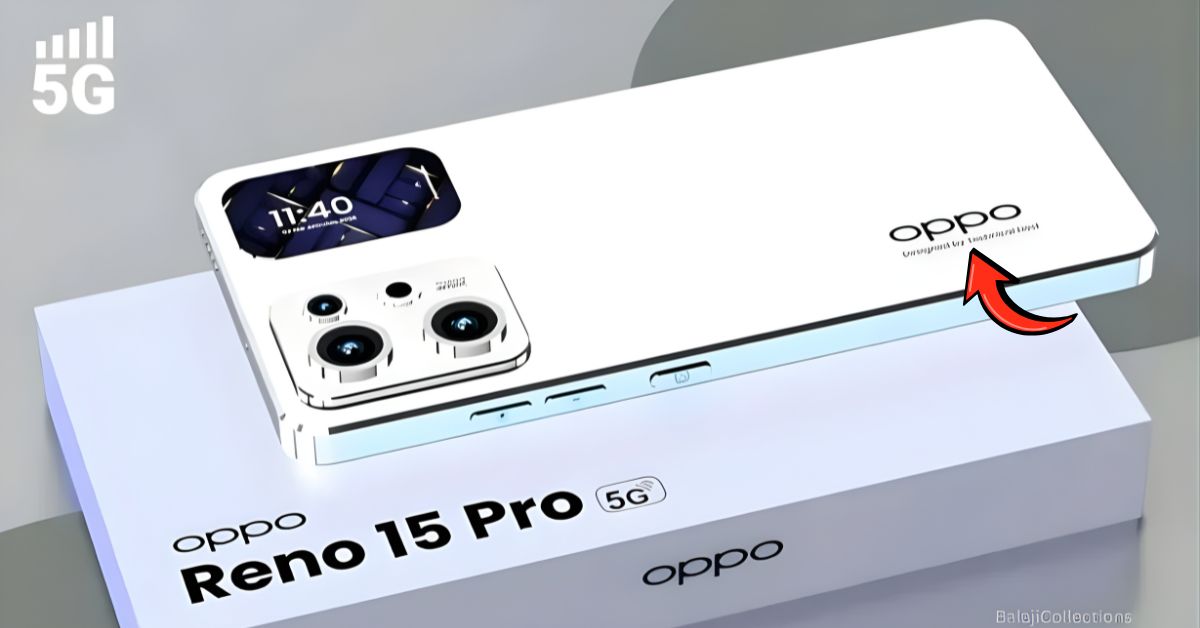
Oppo Reno 15 standing upright. Studio lighting, sleek modern aesthetic, neutral grey background to highlight the phone color.
QUICK SPECS TABLE (At a Glance)
Before we dive into the experience, let’s look at the raw numbers.
Feature
Specification
Display
6.7-inch 3D Curved AMOLED, 120Hz, HDR10+
Processor
MediaTek Dimensity 8350 (Custom Tuned)
RAM/Storage
8GB/12GB LPDDR5X
Main Camera
50MP Sony LYT-600 (OIS)
Ultrawide
8MP Sony IMX355
Telephoto
50MP Portrait Lens (2x Optical Zoom)
Front Camera
50MP (AF)
Battery
5000 mAh
Charging
80W SuperVOOC (Adapter included)
OS
ColorOS 15 based on Android 15
Weight
~175 grams (Super Light)
DESIGN & BUILD: Slimmest Phone of 2026?
Oppo knows its audience. The moment you hold the Reno 15, you realize one thing: It feels expensive.
The Grip: It is incredibly slim. While other brands are making bricks, Oppo has kept this under 7.6mm thickness. It slides into jeans pockets without creating a bulge.
The Back Panel: They have moved to a new “Liquid Silk” glass texture. It’s matte, resists fingerprints like a champion, and has a subtle ripple effect when light hits it.
Durability: Finally, Oppo has included IP65 dust and water resistance. It’s not IP68 (underwater safe), but it can easily survive Indian monsoon rain splashes.
The Bad News: The frame is still plastic with a metallic finish. At this price point, a metal frame would have been appreciated.
Oppo Reno 15 resting on a wooden desk, emphasizing its ultra-slim body and curved edges.
DISPLAY & VISUALS: A Visual Treat
The display is where the Reno 15 shines. You get a Quad-Curved AMOLED panel. It’s not just curved on the sides but slightly on the top and bottom too, making swipe gestures feel buttery smooth.
Brightness: I tested this outdoors under the harsh 1 PM sun in Delhi. With a peak brightness of 2500 nits, readability was never an issue.
Content Consumption: Watching Netflix is a joy. The blacks are deep ink-like, and the colors are punchy. However, the single bottom-firing speaker is a letdown. It’s loud, but it lacks the stereo separation you get on cheaper phones.
Oppo Reno 15 screen showing a vibrant, colorful abstract wallpaper with deep blacks and neon colors.
PERFORMANCE & GAMING: The Truth About the Processor
Here is where tech enthusiasts usually get angry. The Reno 15 runs on the MediaTek Dimensity 8350.
Is it a bad chip? No.Is it the best for the price? Absolutely not.
Daily Usage: For Instagram, WhatsApp, browsing, and multitasking, it flies. ColorOS 15 is optimized well, and I noticed zero lag in UI navigation.
Gaming Test (BGMI/CoD):
BGMI: runs at 60fps (Smooth + Extreme). It does not support 90fps out of the box yet.
Thermals: After 45 minutes of gaming, the phone temperature reached 42°C. It gets warm near the camera module but doesn’t overheat alarmingly.
Verdict: If you are a hardcore gamer, buy the iQOO Neo series or Poco. This phone is for casual users, not E-Sports players.
CAMERA REVIEW: The “Portrait Expert” Claims
This is why you are buying this phone. Oppo calls it the “AI Portrait Expert,” and frankly, they aren’t lying.
The Main Camera (50MP OIS)
Daylight shots are crisp. The dynamic range is excellent. Oppo has tuned the color science to be slightly warm, which makes photos look “ready for Instagram” without editing.
The Portrait Mode (The Star Show)
This is where the magic happens. The edge detection on the Reno 15 is industry-leading.
Skin Tones: It preserves Indian skin tones beautifully. It doesn’t whitewash you (unless you turn on the beauty filters).
Background Blur: The bokeh looks natural, almost DSLR-like, thanks to the dedicated telephoto lens.
The Selfie Camera
The 50MP front camera with Autofocus is a lifesaver for vloggers. It can shoot 4K video, and the stabilization is decent for walking and talking.
Oppo Reno 15 rear camera module. Showing the texture of the lens glass and the sleek housing.
BATTERY & CHARGING SPEED
Despite the slim profile, Oppo squeezed in a 5000mAh battery.
Real World Drain:
1 Hour Instagram Reels: -9%
1 Hour Gaming (BGMI): -16%
1 Hour Camera Usage: -18% (Camera drains battery fast!)
End of Day: I usually had about 15-20% battery left after a heavy day.
Charging: The 80W SuperVOOC charger is in the box. It takes the phone from 0% to 100% in roughly 38 minutes.
THE COMPETITION: Oppo Reno 15 vs. Rivals
I have auto-selected the two biggest rivals available in the market right now based on the ₹30k-₹35k price bracket.
Rival 1: Vivo V40 (The Direct Competitor)
Comparison: Both focus heavily on cameras. Vivo has the Zeiss optics partnership, which gives slightly better “cinematic” styles.
Winner:Tie. If you like vibrant colors, go Oppo. If you like dramatic filters, go Vivo.
Rival 2: Motorola Edge 50 Pro (The Value King)
Comparison: The Moto offers Wireless Charging, IP68 rating (fully waterproof), and a cleaner Android experience for a lower price.
Winner:Motorola. Purely on specs, Moto beats Oppo. But Moto’s camera updates are slower than Oppo’s.
Rival 3: Realme GT 6T (The Performance Beast)
Comparison: The Realme crushes the Reno 15 in gaming speed and raw power.
Winner:Realme (For gamers only).
FINAL VERDICT: Should You Buy It?
The Oppo Reno 15 is a confused device, but in a good way. It doesn’t want to be the fastest, but it wants to be the most beautiful and the best for social media.
✅ Buy it if:
You are a Social Media Content Creator: The cameras (front and back) are optimized for Reels and Shorts.
Design Matters: You hate heavy, brick-like phones and want something sleek and stylish.
You want Great Portraits: The 2x Telephoto lens takes stunning human shots.
❌ Skip it if:
You are a Hardcore Gamer: The processor is decent, but not a beast.
You want Pure Value: Phones like the Motorola Edge 50 Pro offer more features (Wireless charging/IP68) for less money.
You hate Bloatware: ColorOS still comes with pre-installed junk apps (though you can delete them).