Only COD || Advance में ₹1 भी नहीं देना है
OPPO A79 5G

OPPO A79 5G Review: Still a “Style Icon” in 2026 Price in India Full Specs, and Best Buy Offers

If there is one thing OPPO knows how to do better than anyone else, it’s making a budget phone look like a million bucks. The OPPO A79 5G entered the Indian market with a loud promise: “Big on Style, Big on Battery.” But in early 2026, with newer competitors like the Redmi Note 14 and POCO M8 flooding the shelves, the conversation has changed.

The real truth is that the OPPO A79 5G is a phone built for the “Showroom Test.” It looks stunning in Glowing Green, and the stereo speakers are surprisingly loud. But at a current market price of ₹17,390, is it actually giving you the performance you need for modern 5G apps? Don’t waste your money if you’re a hardcore gamer, but if you’re a social media addict who loves a lightweight design, keep reading.
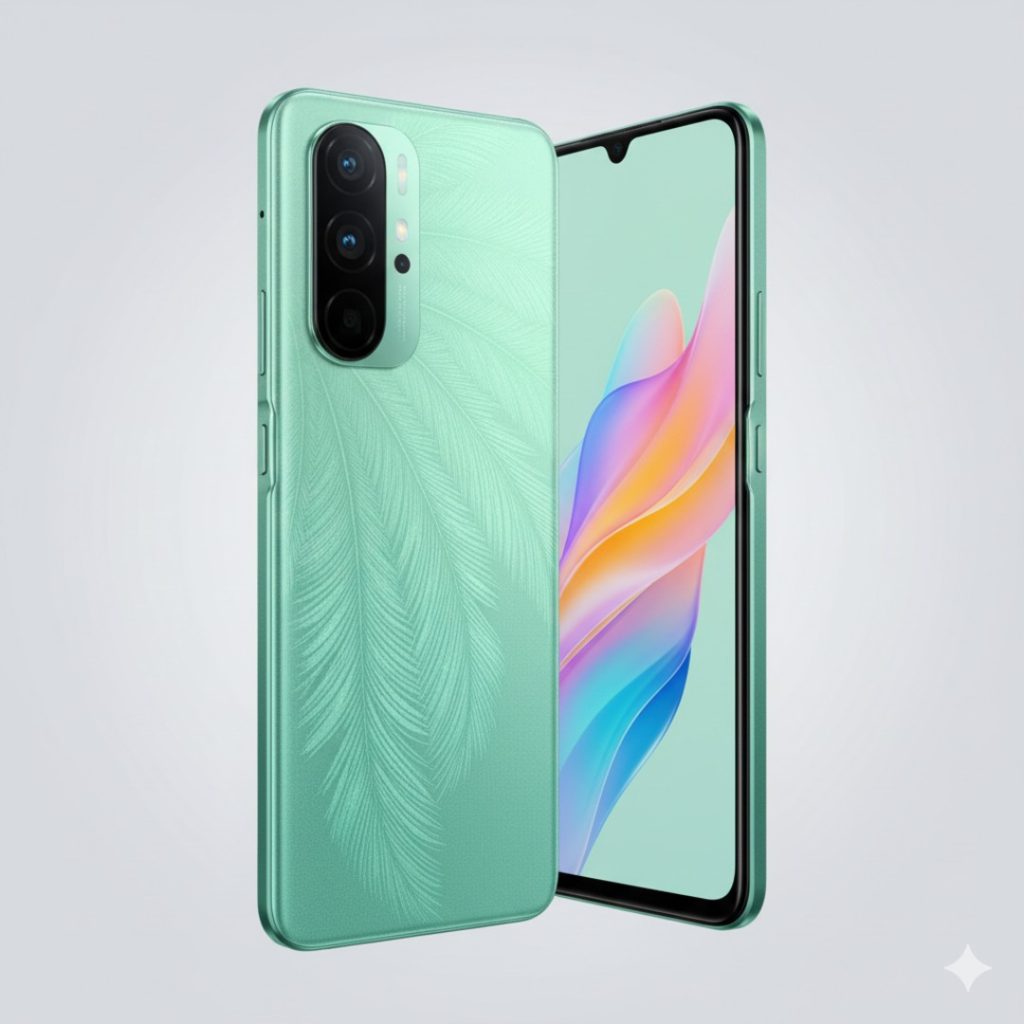
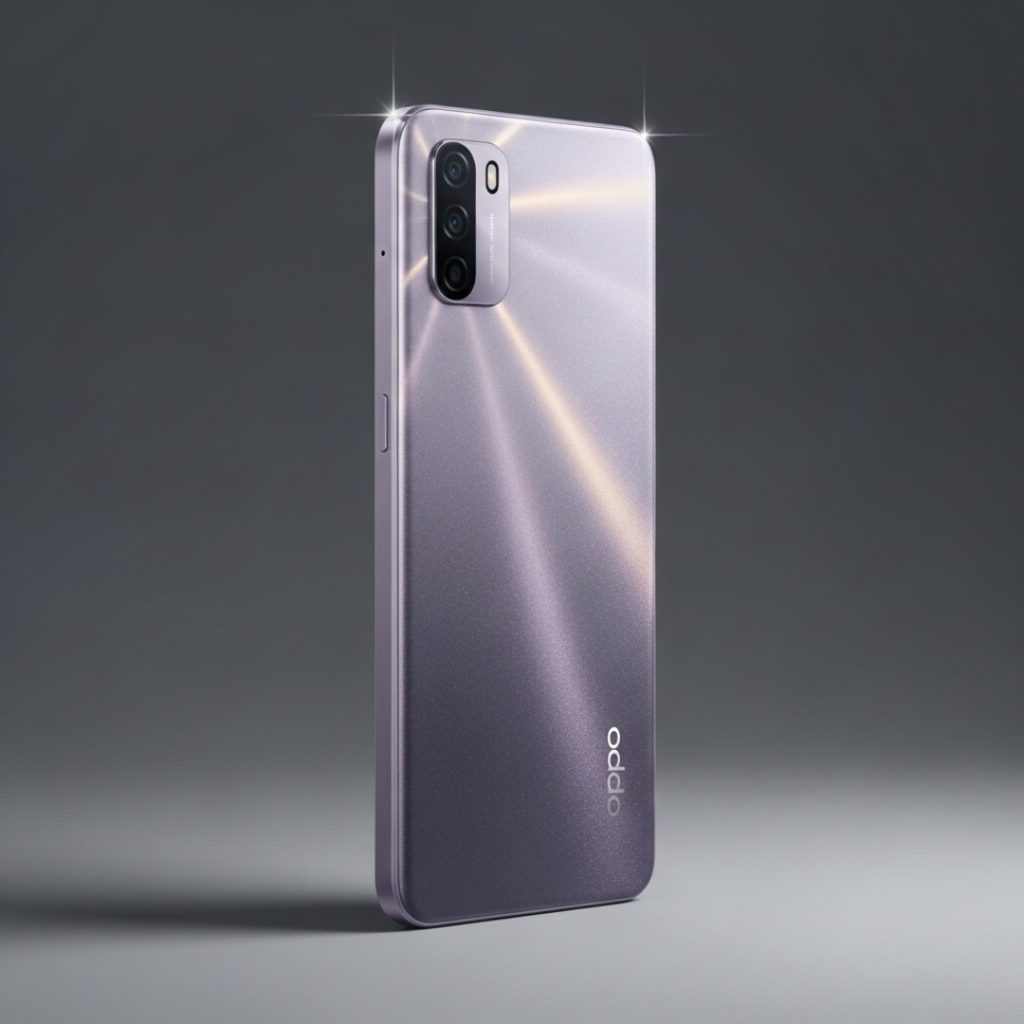
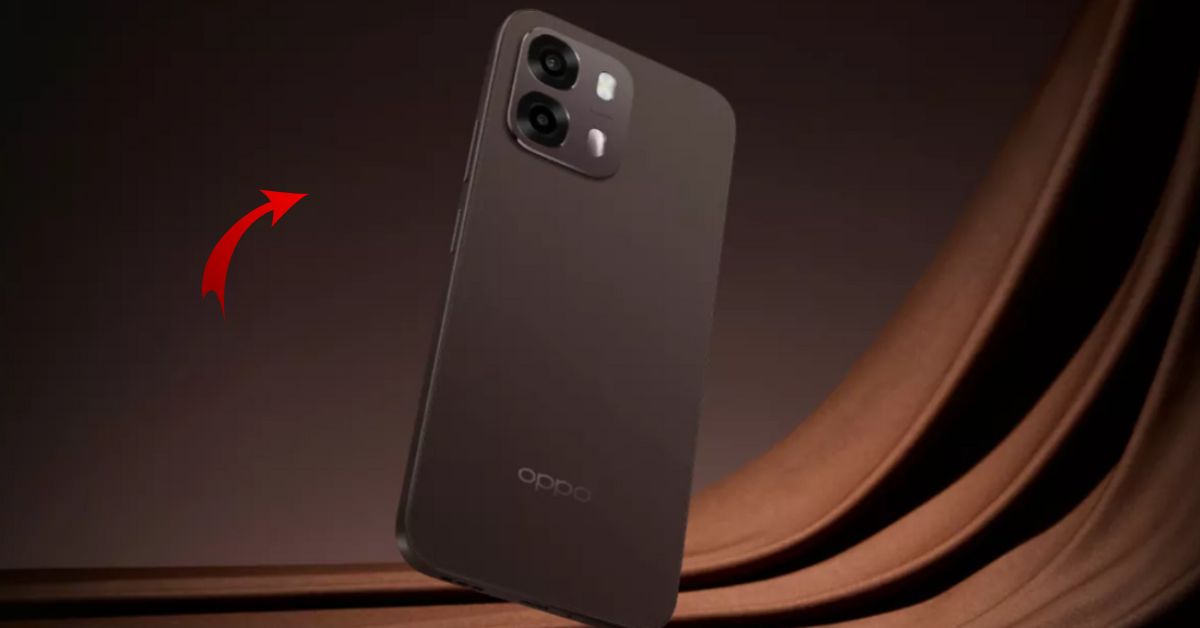
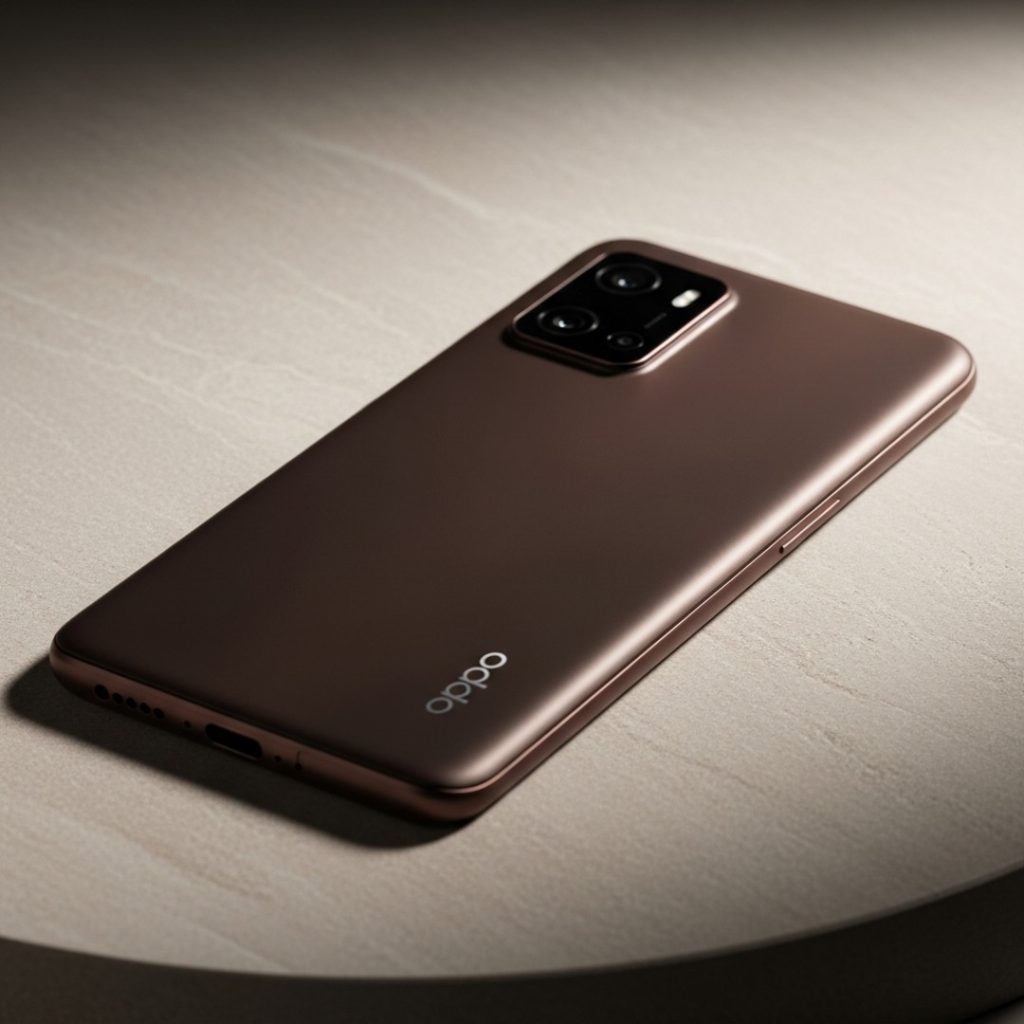
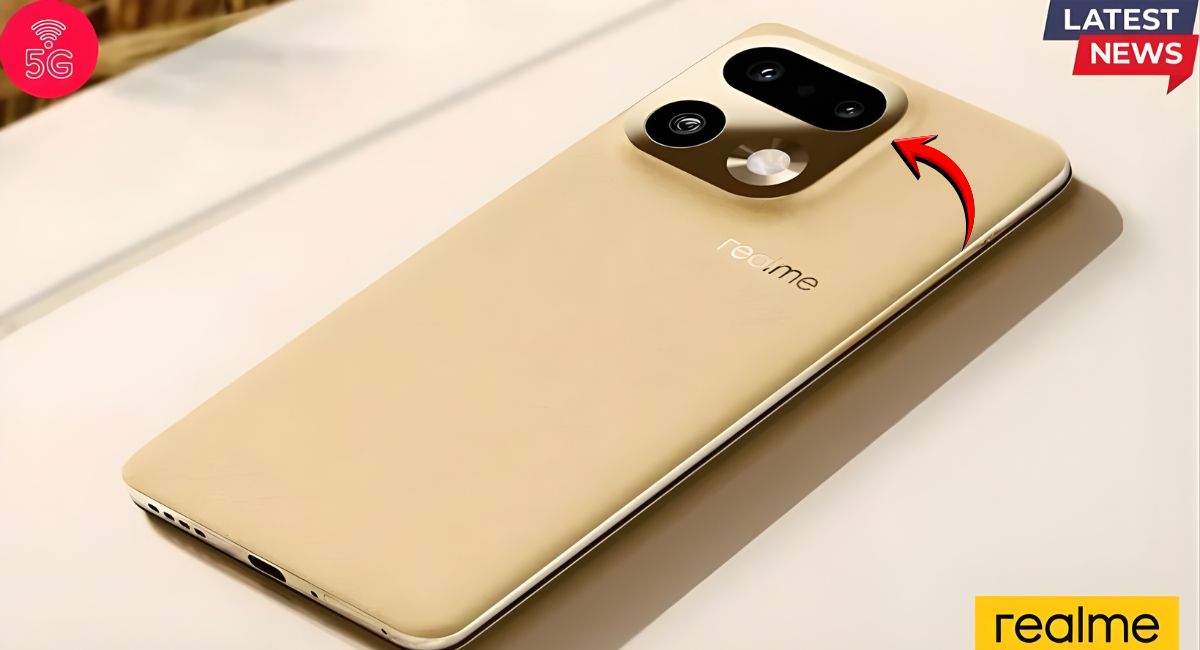
A high-quality hero shot of the OPPO A79 5G in Glowing Green

QUICK SPECS TABLE:

FeatureSpecification
ProcessorMediaTek Dimensity 6020 (7nm)
Display6.72-inch FHD+ LCD, 90Hz Refresh Rate
Peak Brightness680 Nits
RAM/Storage8GB LPDDR4X
Rear Camera50MP Main (f/1.8) + 2MP Depth
Front Camera8MP Selfie
Battery5,000mAh
Charging33W SuperVOOC (0-51% in 30 mins)
AudioDual Stereo Speakers (300% Ultra Volume Mode)
Build7.99mm Slim, 193g Weight, IPX4 Rated

DESIGN & BUILD (Deep Dive):

OPPO calls this the “Glowing Feather Design,” and honestly, it’s the best part of the phone. In a world of boring black bricks, the A79 5G stands out. The back has a texture that looks like fine silk under the light.

  • In-Hand Feel: At 7.99mm, it’s incredibly thin. Even though it has a large 5,000mAh battery, it doesn’t feel heavy at 193 grams.
  • Materials: It’s a plastic build, but it’s high-quality polycarbonate. It doesn’t creak when you flex it.
  • Durability: You get IPX4 splash resistance, which is enough to handle some light rain or accidental spills while you’re at a café.

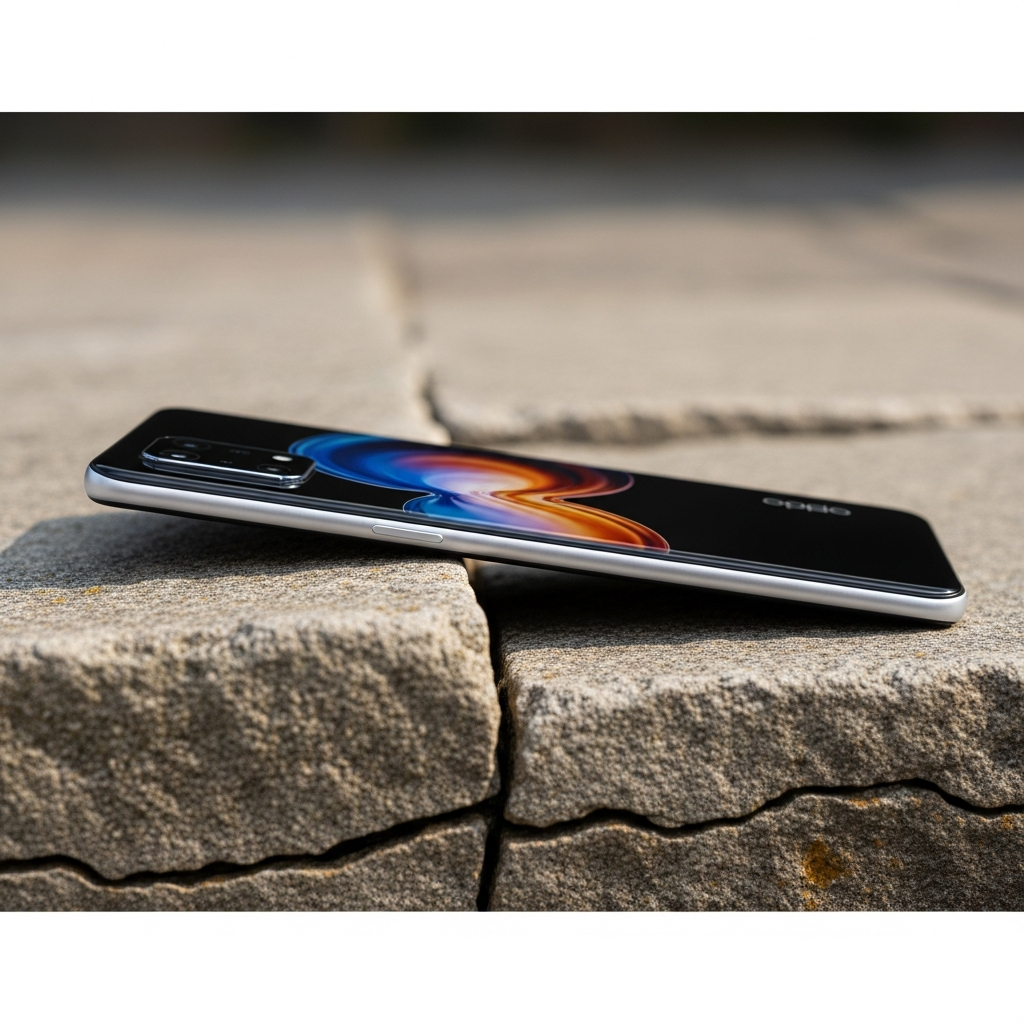
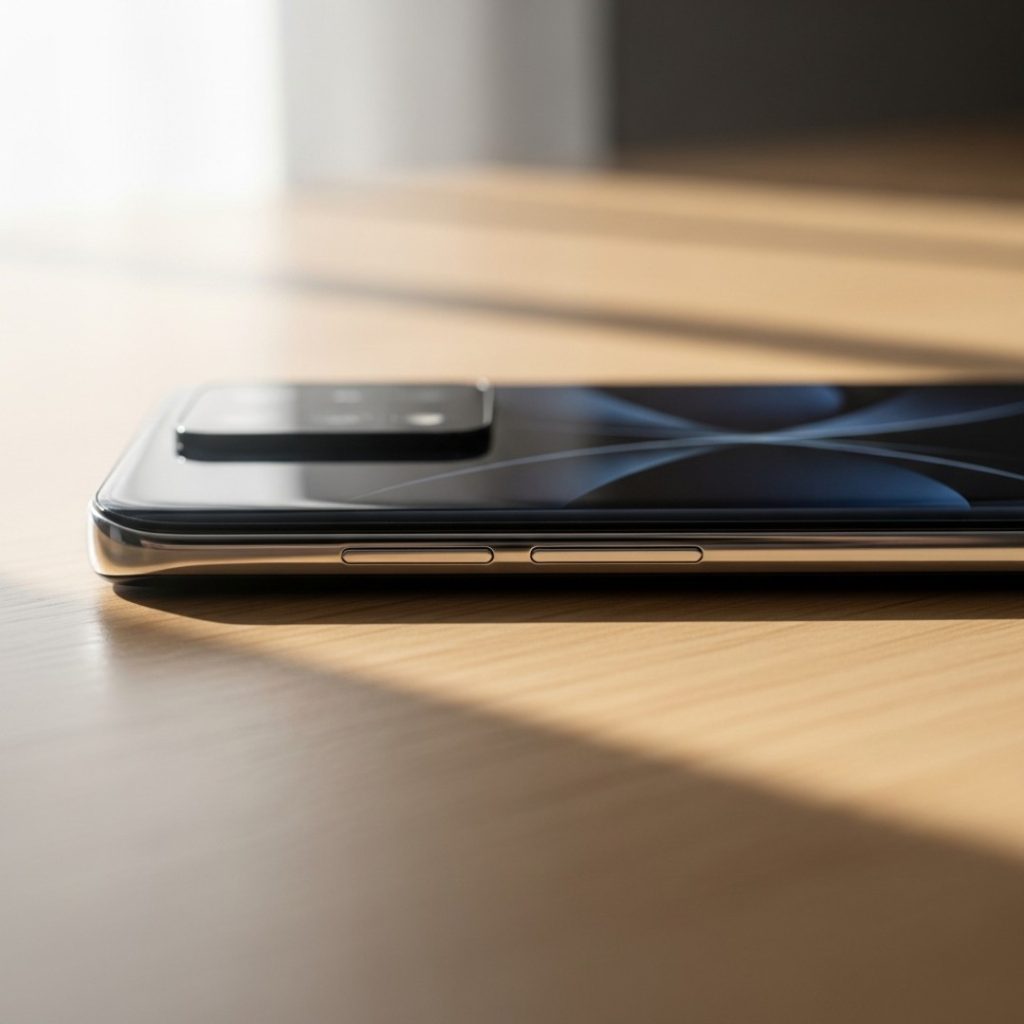
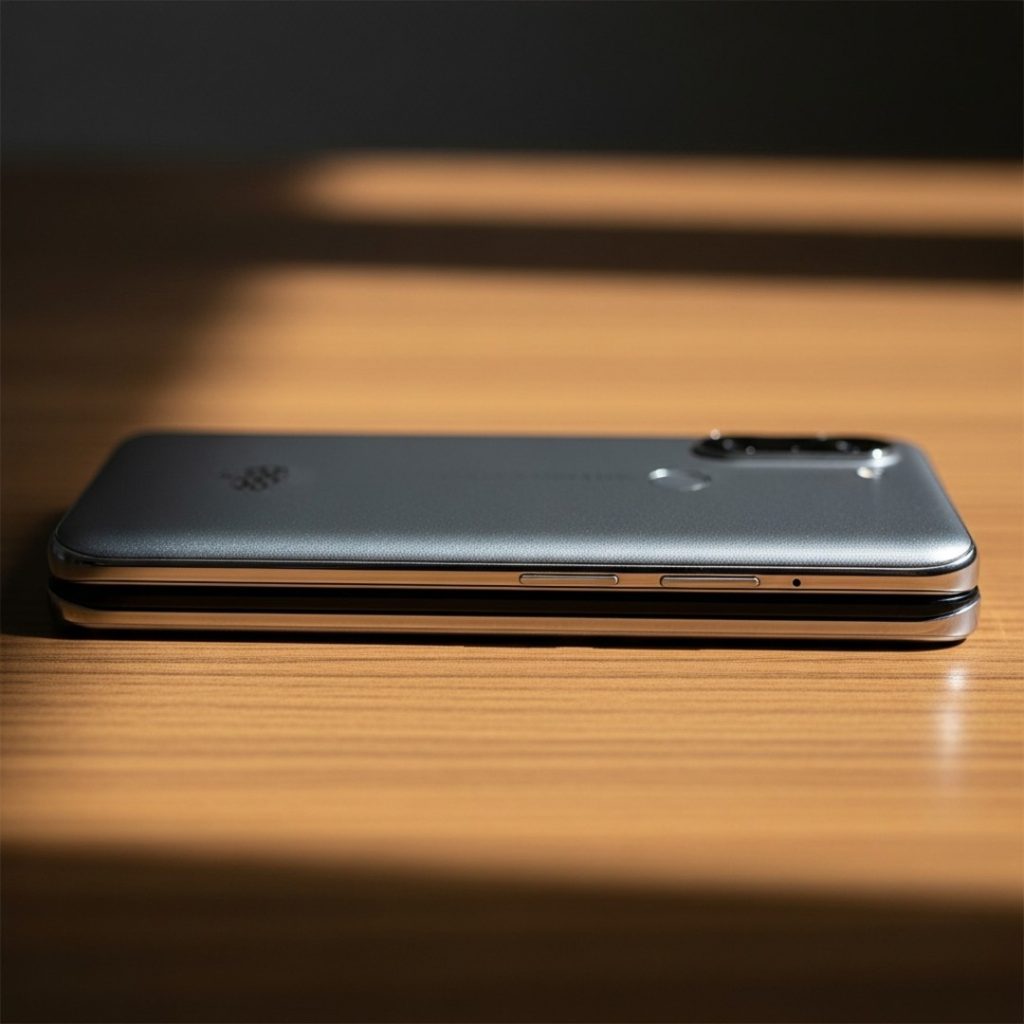
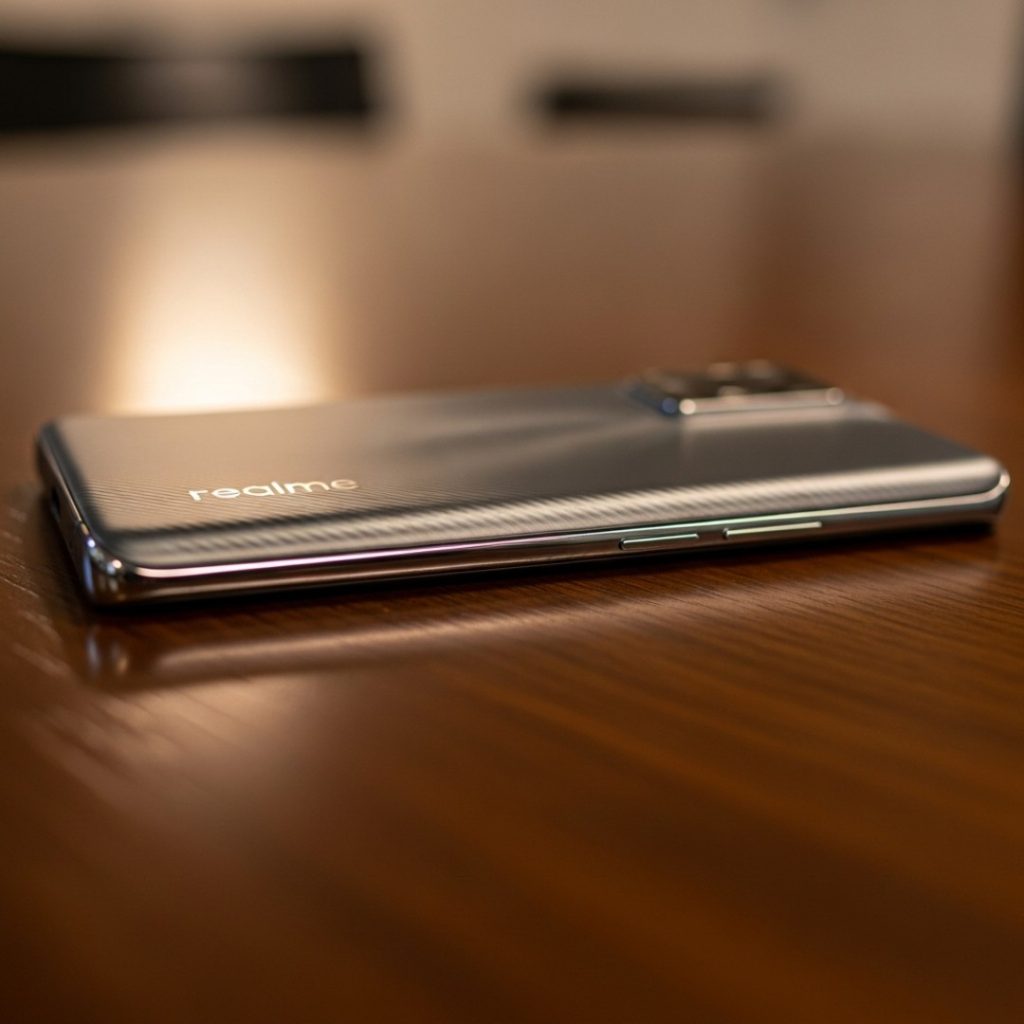
Side profile shot of the OPPO A79 5G on a marble tabletop

DISPLAY & VISUALS:

Here is where we need to be honest. While the screen is a massive 6.72-inch FHD+ panel, it is an IPS LCD, not an AMOLED. In 2026, most rivals in the ₹17,000 range have moved to AMOLED.

  • Outdoor Visibility: With 680 nits peak brightness, you can read your WhatsApp messages under the sun, but don’t expect to enjoy a Netflix movie in the park.
  • Refresh Rate: The 90Hz is smooth, but you can definitely feel the difference if you’ve used a 120Hz screen before.
  • The “Eye-Catcher”: The colors are actually very well-calibrated for an LCD. It covers 100% of the sRGB color gamut, making photos look natural and not “over-saturated.”
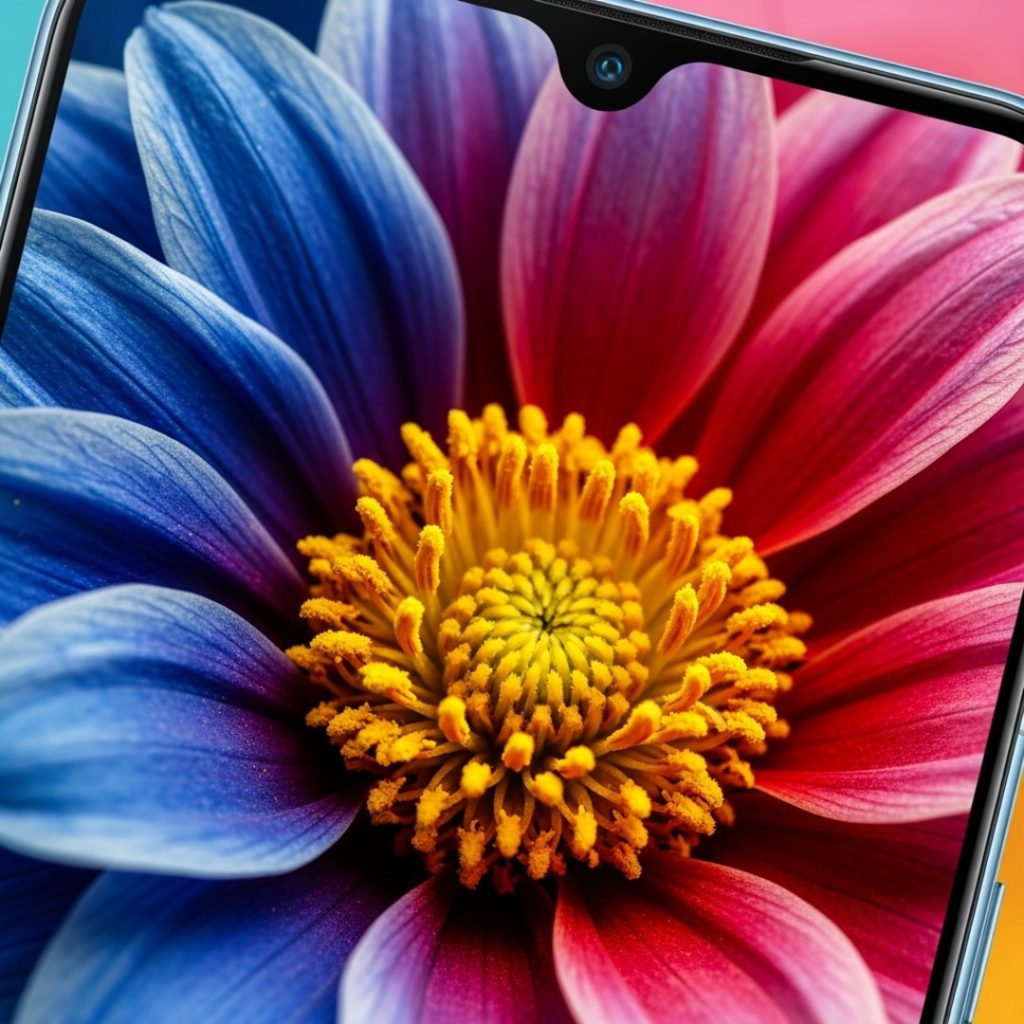
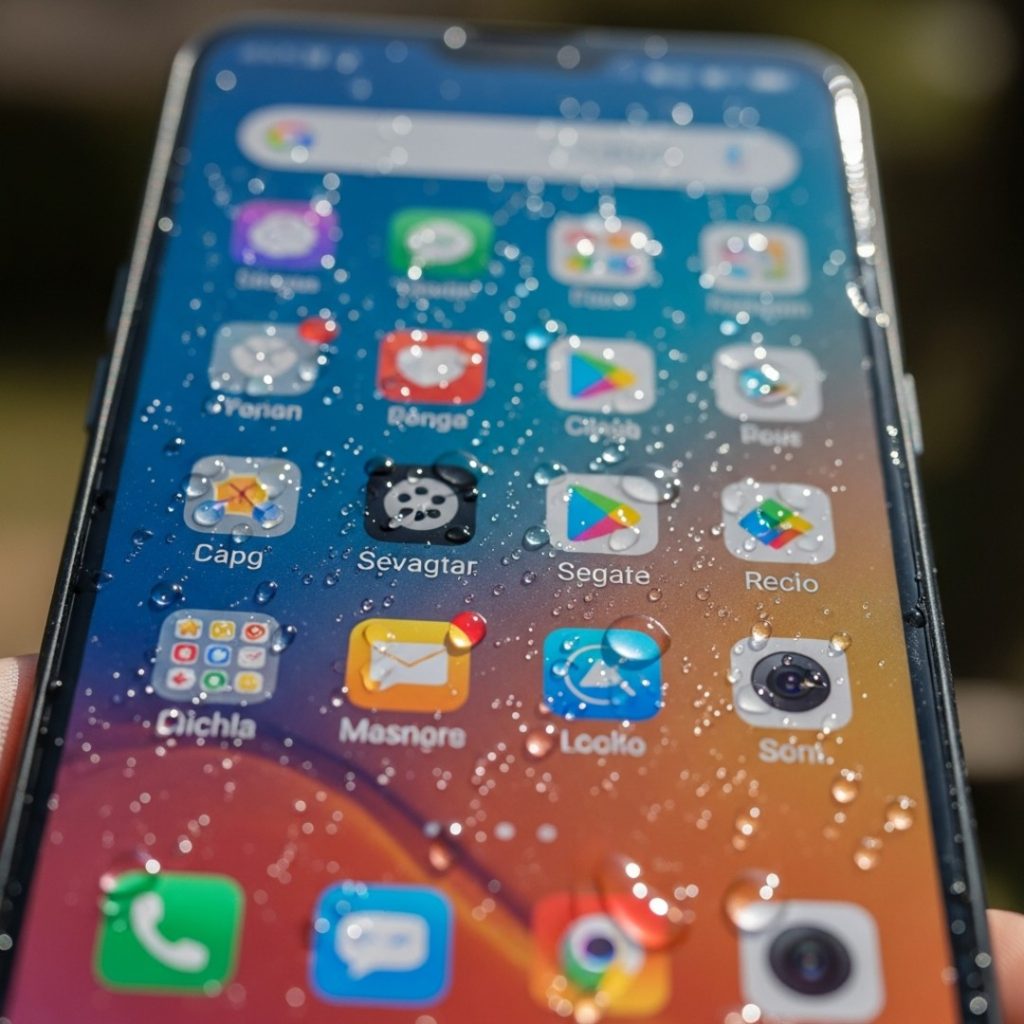
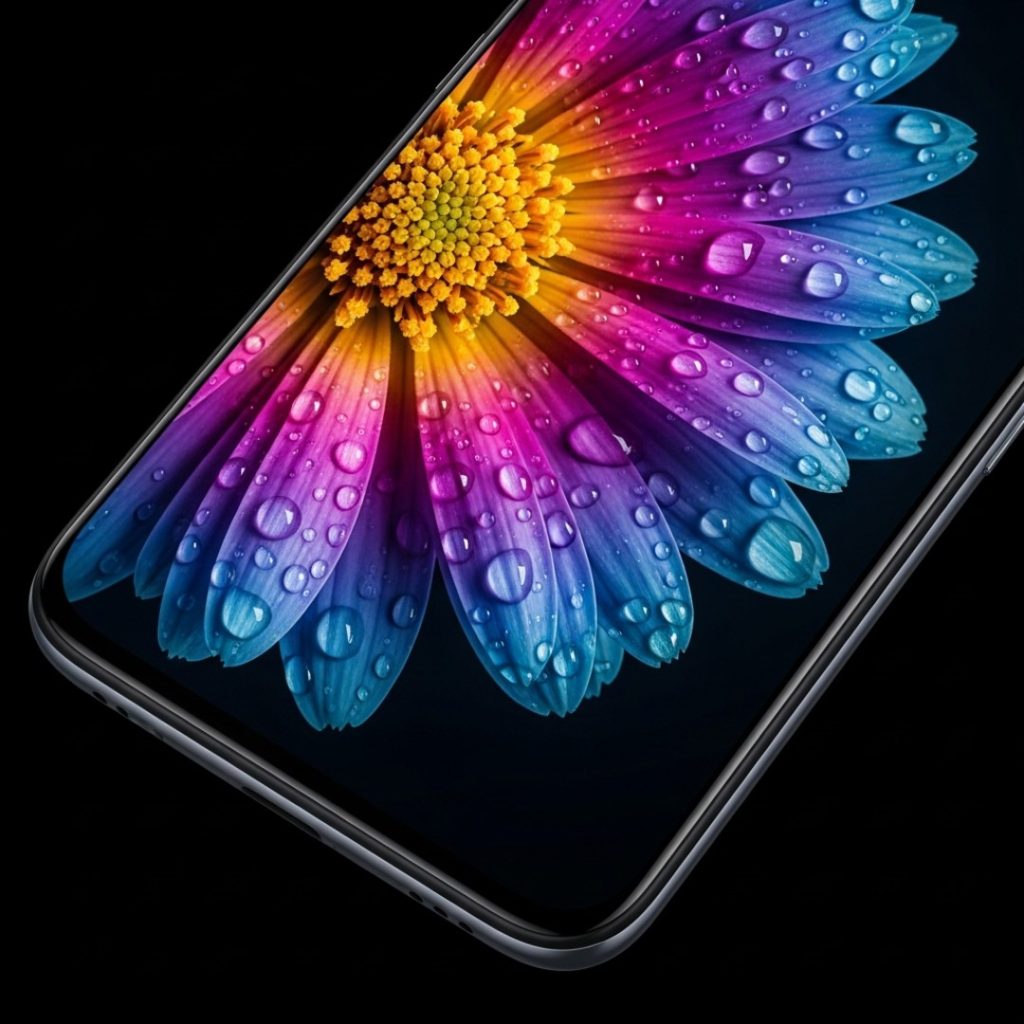
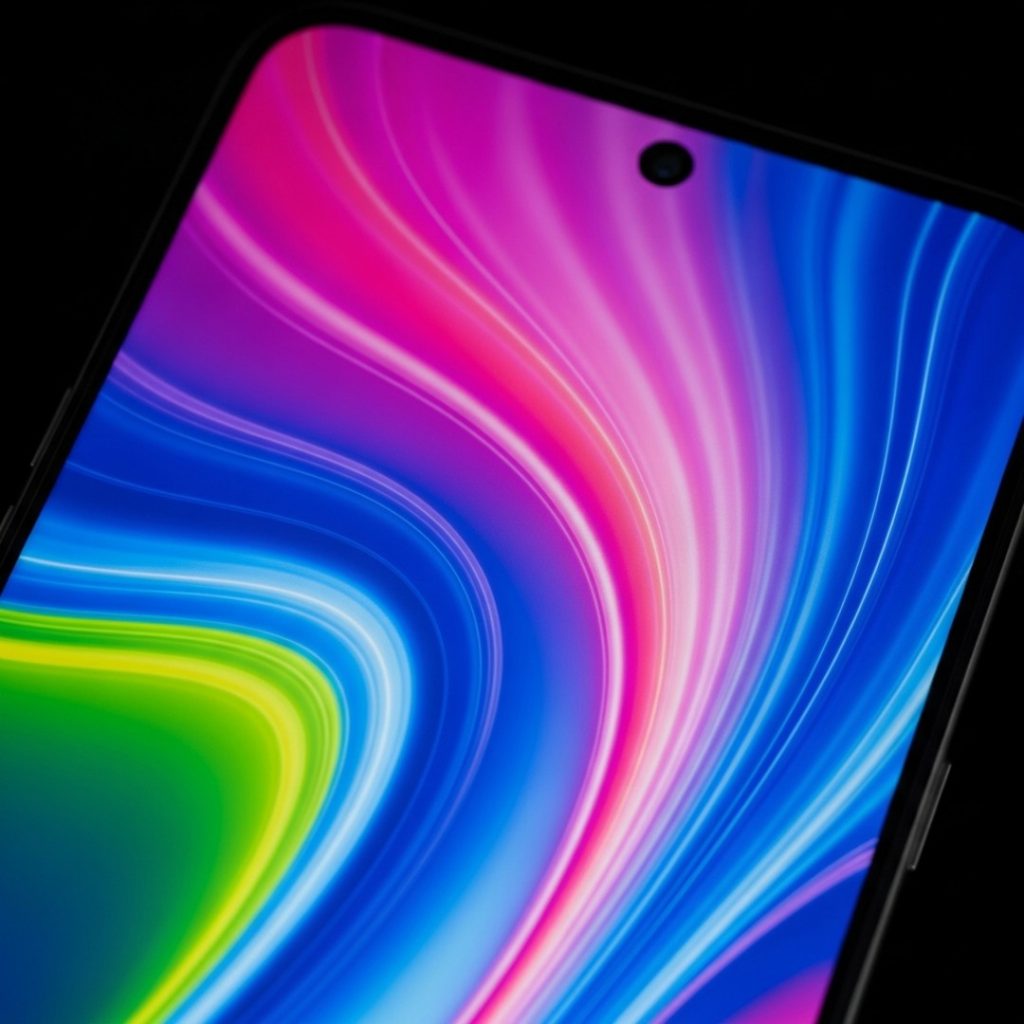
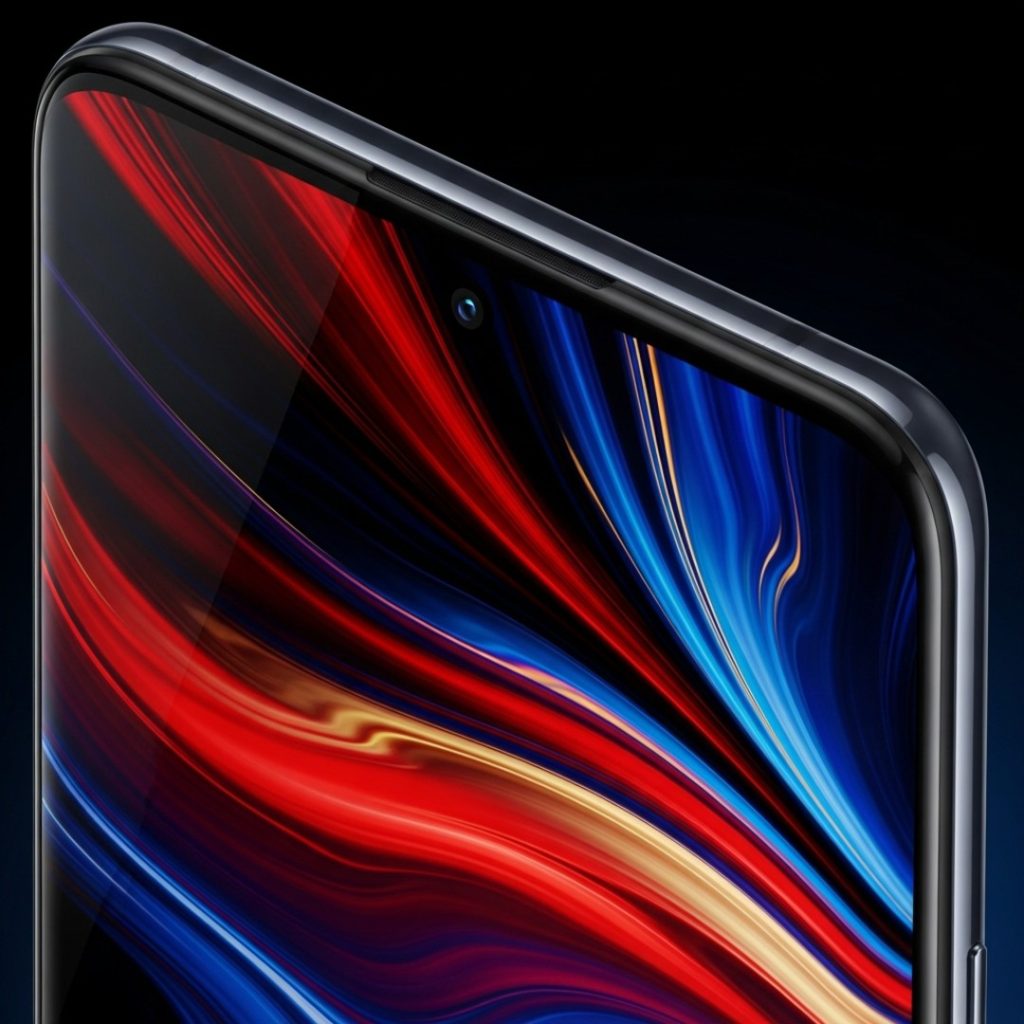
Close-up of the OPPO A79 5G screen showing a high-detail colorful wallpaper of a flower.

PERFORMANCE & GAMING:

The Dimensity 6020 is an “efficient” chip, which is tech-speak for “it’s fine for daily tasks but don’t push it.”

  • Daily Usage: Opening apps like Instagram, Snapchat, and Gmail is snappy. The 8GB RAM helps in keeping around 6-8 apps in memory without them closing.
  • Gaming Test: In Genshin Impact, we had to drop the settings to ‘Low’ to get a stable 30fps. In BGMI, you can play at ‘Smooth + Ultra’ settings, but after 40 minutes, you will notice the phone warming up around the camera area.
  • The Real Truth: This is not a gaming phone. If you are a PUBG enthusiast, look at the POCO or iQOO series instead.

CAMERA ANALYSIS:

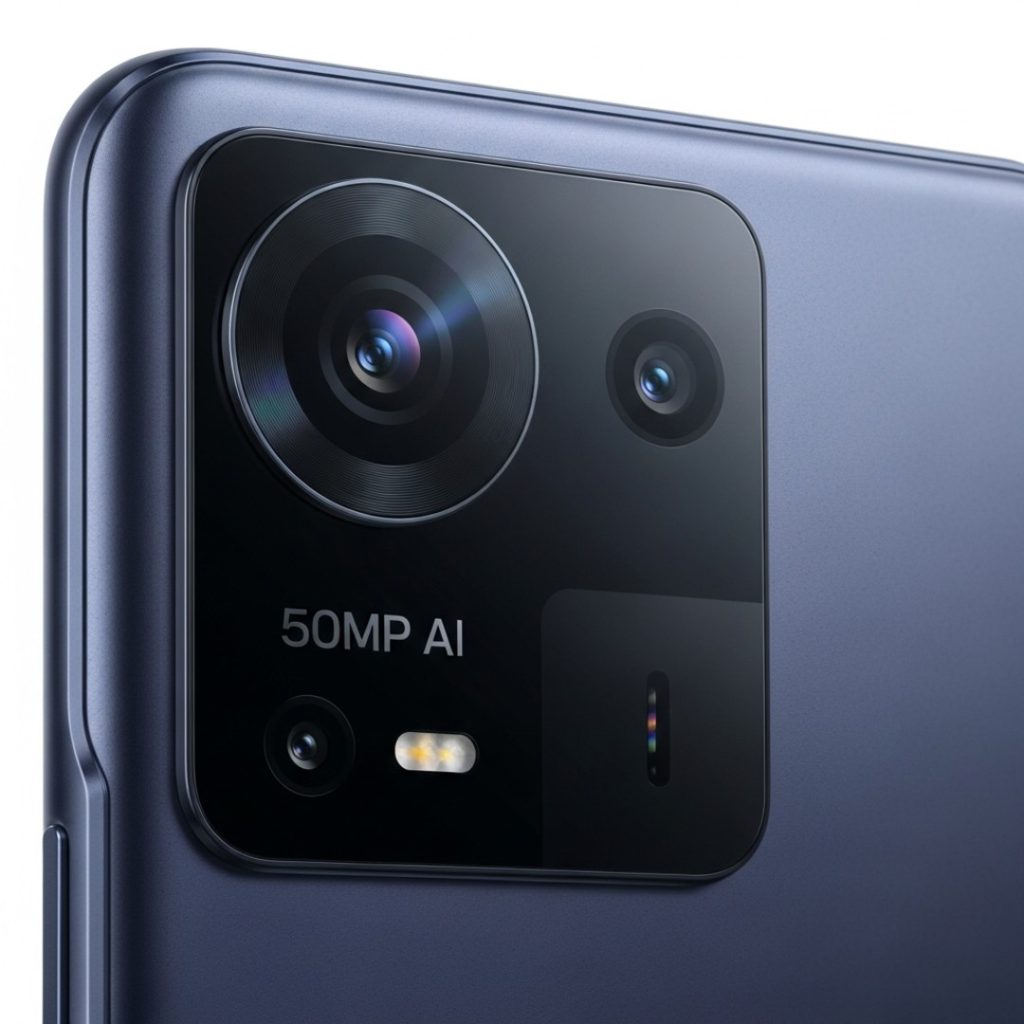
The OPPO A79 5G follows the “Simple is Better” philosophy. You get a 50MP AI Main Camera and a 2MP depth sensor.

  • Daylight Photography: The 50MP sensor (Samsung JN1) takes great social-media-ready shots. Colors are bright, and the AI sharpening is just right.
  • Low Light: Without OIS (Optical Image Stabilization), night shots can be hit-or-miss. You need a very steady hand to get a clear photo in ‘Night Mode’.
  • Selfies: The 8MP front camera is okay for video calls, but it lacks the “wow factor” of OPPO’s more expensive Reno series.
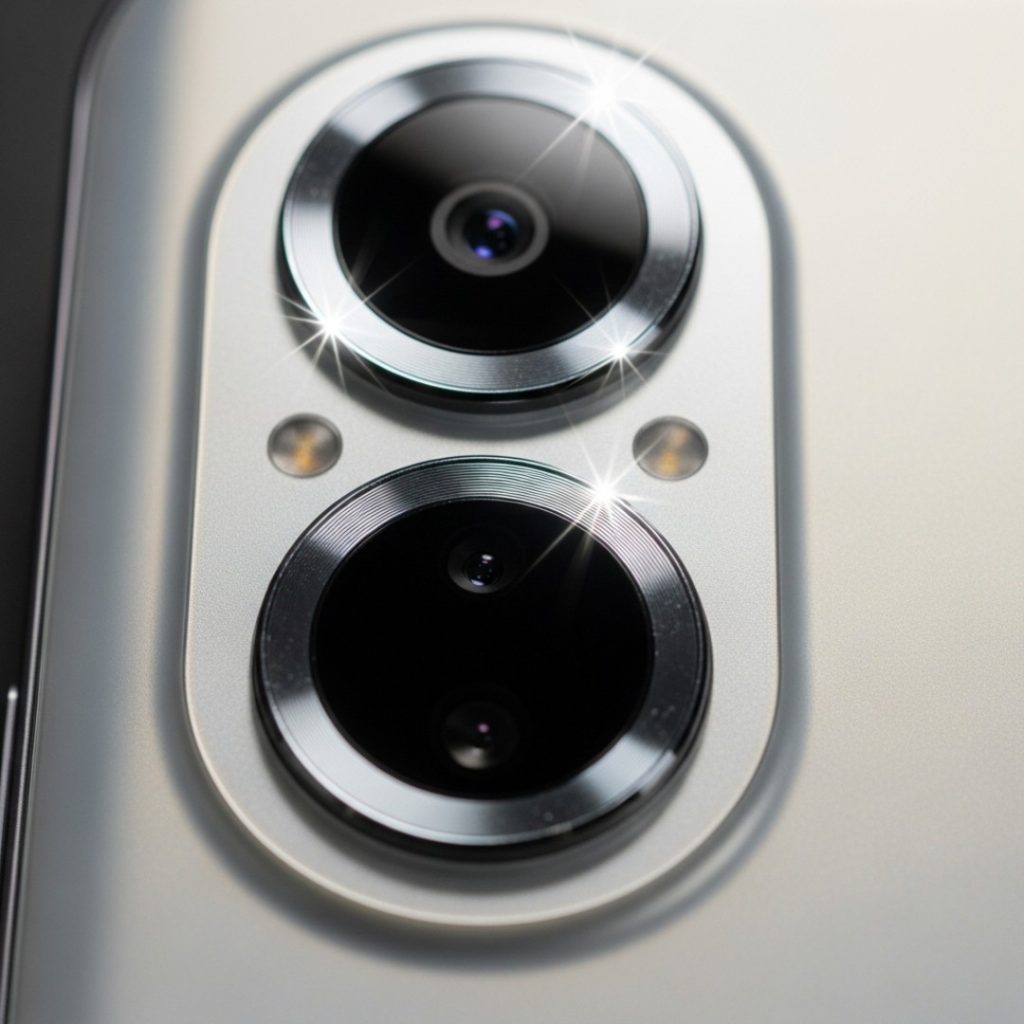
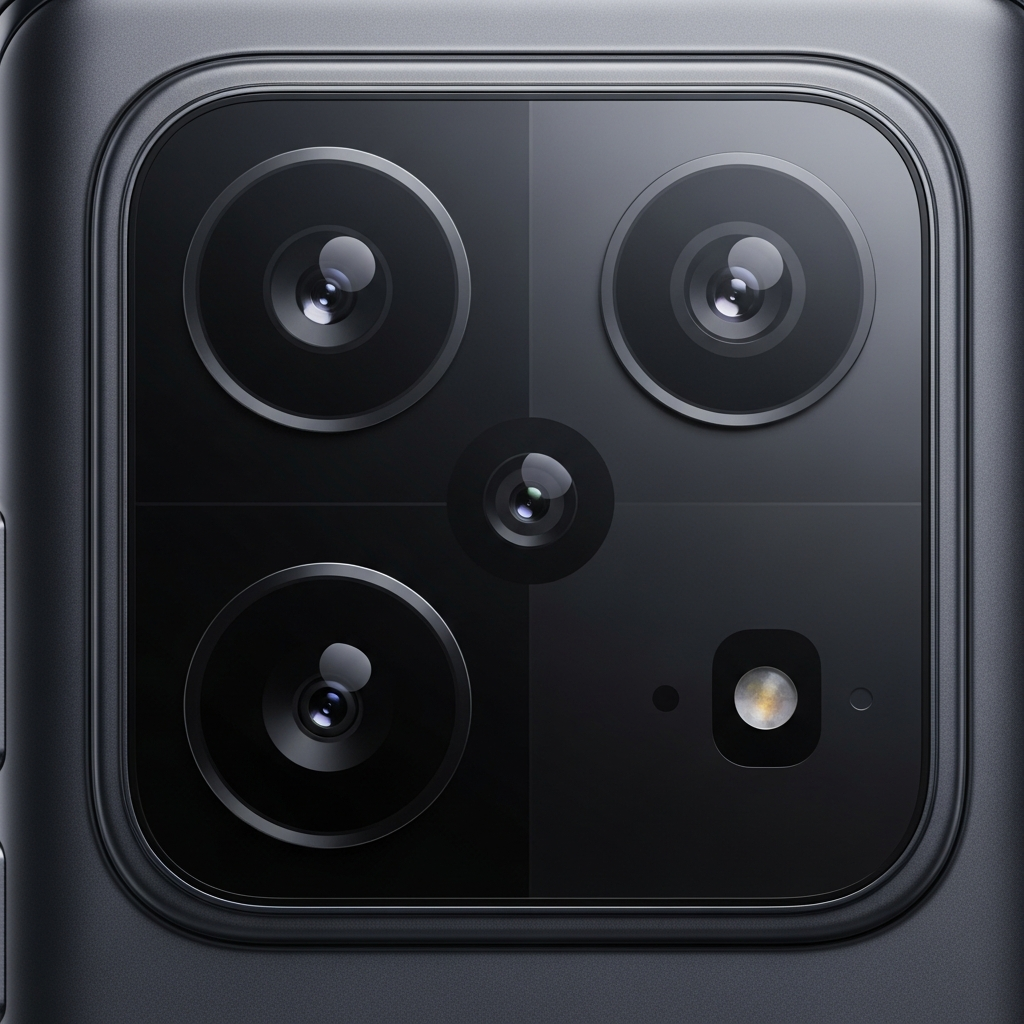
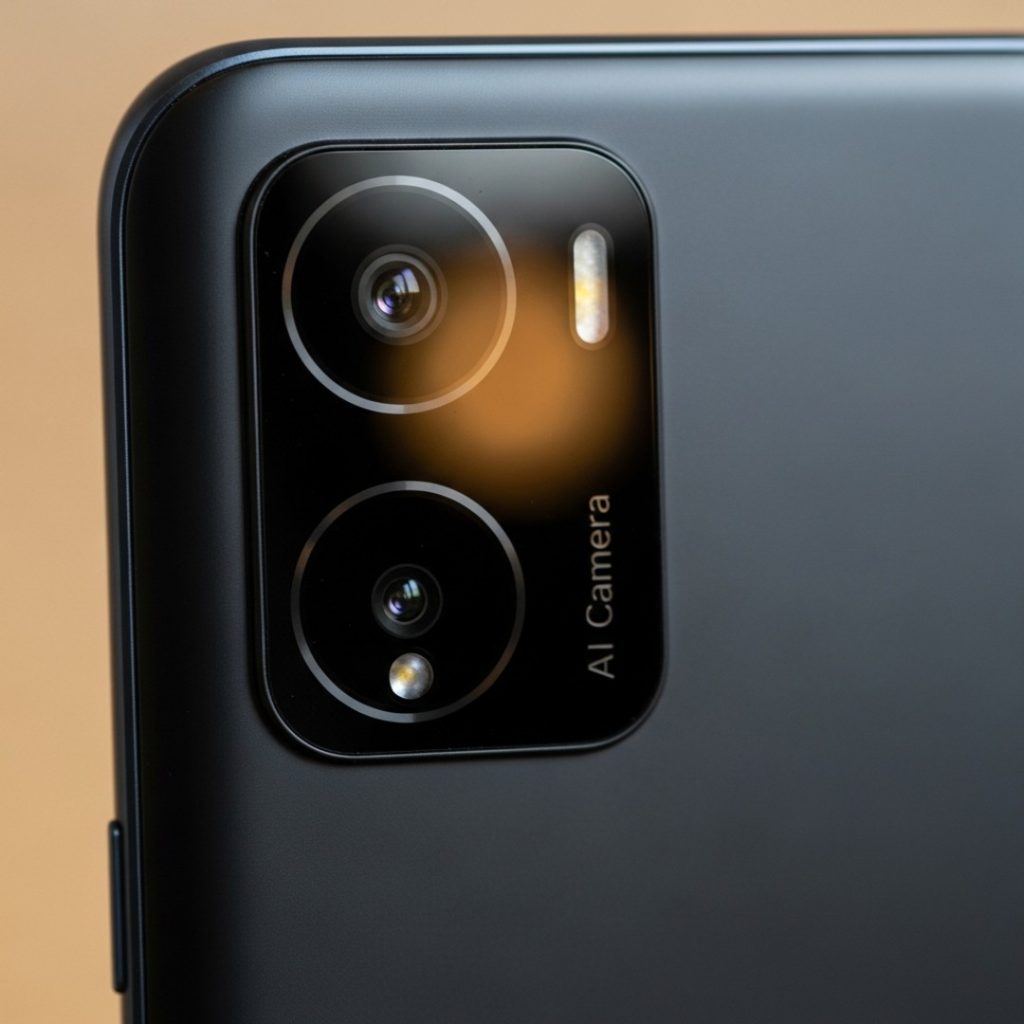
Macro shot of the dual-lens camera module on the back of the OPPO A79 5G.

BATTERY & ENDURANCE:

This is a “One-Day Phone” for everyone.

  • Charging: The 33W SuperVOOC charger is decent. It takes the phone from 0 to 51% in 30 minutes. A full charge takes about 74 to 76 minutes.
  • Endurance: In our video loop test, the battery lasted 14.5 hours. In the real world, you can leave home at 8 AM and return at 9 PM with roughly 20% battery still in the tank.

Read more : OPPO A3 Pro 5G

THE COMPETITION:

OPPO A79 5G vs Samsung Galaxy M35 vs Redmi Note 14 5G

FeatureOPPO A79 5GSamsung M35 5GRedmi Note 14 5G
Price₹17,390₹13,999₹16,499
DisplayLCD (90Hz)sAMOLED (120Hz)AMOLED (120Hz)
ProcessorDimensity 6020Exynos 1380Dimensity 7025 Ultra
Battery5,000mAh6,000mAh5,110mAh

The Winner: If we are talking purely about value for money, the Samsung Galaxy M35 or the Redmi Note 14 win easily. They offer better screens and bigger batteries for less money. The only reason to pick the OPPO A79 is for the Design and the Stereo Speaker experience.

FINAL VERDICT:

Buy it if:

  • You prioritize a slim, stylish design that stands out in public.
  • You watch a lot of videos on speaker (The 300% volume mode is loud!).
  • You want a phone with a dedicated microSD slot and a 3.5mm jack.

Skip it if:

  • You want an AMOLED display for deep blacks and better movies.
  • You are a mobile gamer who needs high frame rates.
  • You want an Ultra-Wide camera for group photos.
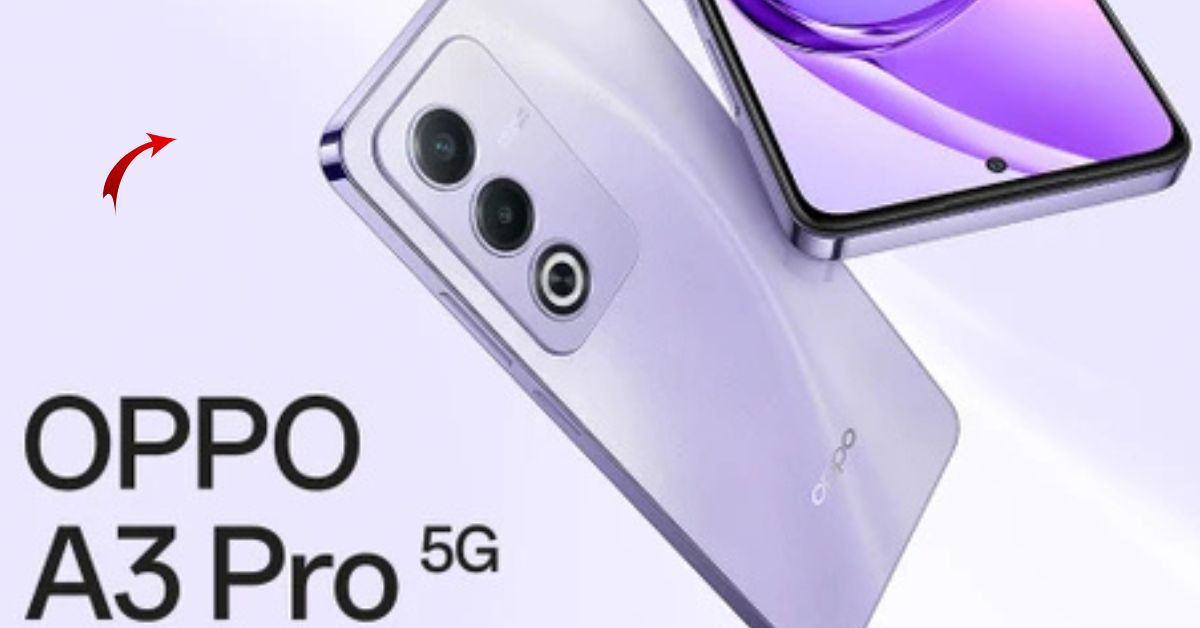
OPPO A3 Pro

OPPO A3 Pro 5G Review: Price in India, Full Specs, and Review (January 2026)

Imagine dropping your phone on a marble floor, getting it drenched in a sudden Bhopal monsoon, or accidentally sitting on it—and it survives without a scratch. That is exactly what OPPO is promising with the OPPO A3 Pro 5G. Launched at a starting price of ₹17,999, this phone isn’t trying to beat flagships in camera quality; it’s trying to be the “Nokia 3310” of the 5G era.

The real truth is that most people break their screens within the first year. OPPO knows this, which is why they’ve built the A3 Pro with a “360° Damage-Proof Armour Body.” But don’t waste your money if you are looking for a high-end gaming beast or a 4K video machine. This phone has very specific strengths and some glaring compromises. Let’s dive deep.

A high-quality hero shot of the OPPO A3 Pro 5G in Moonlight Purple

QUICK SPECS TABLE:

FeatureSpecification
ProcessorMediaTek Dimensity 6300 (6nm)
Display6.67-inch LCD, 120Hz, 1000 Nits (HBM)
DurabilityMilitary-Grade Shock Resistance (MIL-STD 810H)
RAM/Storage8GB LPDDR4X
Rear Camera50MP AI Main + 2MP Depth
Front Camera8MP Selfie
Battery5,100mAh
Charging45W SUPERVOOC (0-50% in 30 mins)
IP RatingIP54 (Dust and Splash Resistance)
AudioMono Speaker (300% Ultra Volume Mode)

DESIGN & BUILD (Deep Dive):

The OPPO A3 Pro is built like a tank in a tuxedo. It measures 7.68mm thin and weighs 186g, making it surprisingly easy to carry despite its rugged nature.

  • Armour Body: It features a reinforced internal structure and “Biomimetic Sponge” cushioning. This isn’t just marketing fluff; it has SGS Military Standard Certification.
  • Glass Protection: The screen is protected by double-tempered glass, which is significantly more resistant to punctures than standard budget glass.
  • In-Hand Feel: The Moonlight Purple variant has a shimmering texture, while the Starry Black offers a matte, fingerprint-resistant finish. It feels solid—no creaking, no cheap plastic vibes.
Side profile shot of the OPPO A3 Pro 5G showing its flat frame and slim 7.68mm design.

DISPLAY & VISUALS:

Here is where the budget cuts start to show. While the 120Hz refresh rate makes the UI feel smooth, the screen is an HD+ LCD (720 x 1604 pixels).

  • The Problem: In 2026, finding a 720p screen on a phone costing nearly ₹18,000 is disappointing. Text isn’t as sharp as on a Full HD+ panel.
  • The Bright Side: It hits 1,000 nits peak brightness, which is excellent for an LCD. Outdoor visibility is actually better than some older AMOLED screens.
  • Splash Touch: This is a lifesaver. You can use the screen even with wet hands or when raindrops are on it. It’s perfect for foodies who scroll while cooking or people caught in the rain.
Close-up of the OPPO A3 Pro display in a bright outdoor setting.

PERFORMANCE & GAMING:

The Dimensity 6300 is a reliable “mid-to-low” tier chip. It’s built on a 6nm process, which means it’s very battery efficient but not a powerhouse.

  • Everyday Tasks: WhatsApp, Instagram, and YouTube run without a hitch. Multitasking is decent thanks to the 8GB RAM (which you can expand by another 8GB via Virtual RAM).
  • Gaming: You can play BGMI or Free Fire at “Balanced + Ultra” settings. However, during heavy 50-player combat, we noticed the frame rate dip to 35-40 fps.
  • Heating: The phone stays exceptionally cool. Even after 45 minutes of gaming, the temperature only rose by 4°C.

Read more : iPhone 18 Pro Max 

CAMERA PERFORMANCE:

Don’t waste your money if you’re a photography enthusiast. The camera setup is basic.

  • Main Sensor: The 50MP AI camera takes social-media-ready shots in broad daylight. The colors are slightly boosted (classic OPPO style), which looks good for Instagram.
  • Low Light: Without OIS, night photos are grainy. The AI tries to clean it up, but the results look “painted.”
  • Selfie: The 8MP front camera is just average. It’s fine for video calls, but skin textures lose detail in indoor lighting.
  • Video: It supports 1080p at 30fps. There is no 4K recording and no stabilization, so your videos will be shaky if you’re walking.
Macro close-up shot of the rectangular camera module on the back of the OPPO A3 Pro.

BATTERY & ENDURANCE:

The 5,100mAh battery is a champion. Because the screen is only 720p, it doesn’t draw much power.

  • Usage: For a light user, this is a 2-day phone. For a heavy user, it easily lasts until 11 PM with 15% to 20% left.
  • Charging: The 45W SUPERVOOC charger is in the box.
    • 0-50%: Takes 30 minutes.
    • 0-100%: Takes roughly 72 minutes.
  • Longevity: OPPO claims the battery will stay healthy (above 80% capacity) for over 4 years (1600 cycles).

THE COMPETITION:

OPPO A3 Pro vs Vivo T3 Pro vs Realme P1 Pro

FeatureOPPO A3 ProVivo T3 ProRealme P1 Pro
Price₹17,999₹21,999₹18,499
DisplayHD+ LCD (120Hz)FHD+ AMOLED (120Hz)FHD+ AMOLED (120Hz)
DurabilityMilitary Grade (Highest)StandardStandard
ProcessorDimensity 6300Snapdragon 7 Gen 3Snapdragon 6 Gen 1
Camera50MP (Basic)50MP (Sony OIS)50MP (OIS)

The Winner: If you want a “Good Phone” with a great screen and camera, the Realme P1 Pro or Vivo T3 Pro are better choices. However, the OPPO A3 Pro is the only choice if your primary concern is that you drop your phone a lot or work in dusty/rough environments.

FINAL VERDICT:

Buy it if:

  • You have “butterfingers” and drop your phone constantly.
  • You want a secondary phone for outdoor work or travel.
  • You need exceptional battery life and a phone that stays cool.

Skip it if:

  • You watch a lot of movies (The 720p LCD screen is a letdown).
  • You want to take high-quality night photos or 4K videos.
  • You are a serious gamer who needs 60fps stability.
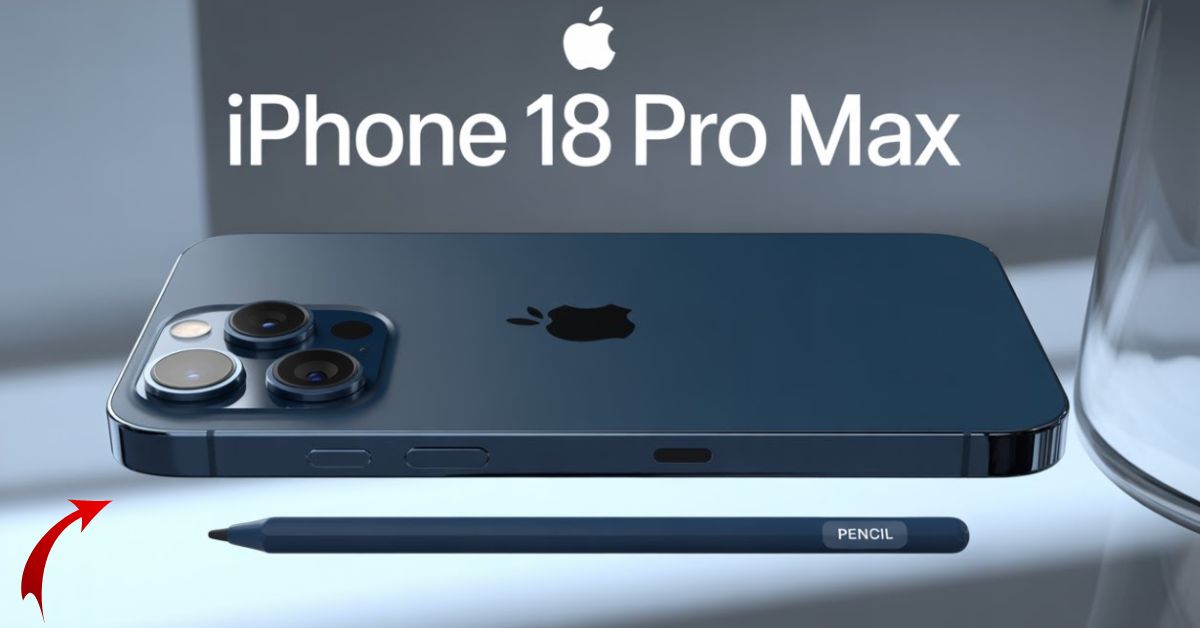
iPhone 18 Pro Max

iPhone 18 Pro Max Review: The “No-Bezel” Dream or Just an Overpriced Flex?

Wait… is that a hole-punch on an iPhone? Yes, the rumors were true. It’s early 2026, and the Apple iPhone 18 Pro Max has officially arrived to shake up the Indian market. While the world was busy arguing about the “Titanium finish” of previous years, Apple was quietly killing the Dynamic Island to give us what we’ve always wanted: more screen, less “pill.”

But here’s the kicker—it’s also the most expensive iPhone ever launched in India. With a starting price expected to hover around ₹1,69,900, you really have to ask: is that extra 20% performance worth the price of a second-hand car?

The real truth is: This is Apple’s first “AI-First” hardware. The A20 Pro chip isn’t just faster; it’s basically a brain. But don’t waste your money if you already own an iPhone 16 Pro or 17 Pro—the upgrades are “Pro,” but the price is “Extreme.”

A high-quality hero shot of the iPhone 18 Pro Max in Lunar Titanium

QUICK SPECS TABLE

For those who want the technical “Aadhaar Card” of this device:

FeatureSpecification
ProcessorApple A20 Pro (2nm TSMC Node)
Display6.9-inch LTPO OLED, 1-165Hz, 4000 Nits Peak
Main Camera48MP Variable Aperture (f/1.4 to f/2.4)
Telephoto48MP Periscope (6x Optical Zoom)
Battery5,100 mAh (Largest in iPhone history)
Charging45W Wired (USB-C 3.2), 25W MagSafe 3
BuildGrade 5 Titanium + Ceramic Shield 3
Price (Expected)Starts at ₹1,69,900

DESIGN & BUILD: The “Punch-Hole” Revolution

For years, we’ve lived with the Notch, then the Dynamic Island. In 2026, Apple has finally moved Face ID under the display.

  • The In-Hand Feel: It’s slightly thicker (by 0.2mm) than the 17 Pro Max, but that’s to accommodate the massive 5100mAh battery. The edges are more rounded, making it less “pokey” in the palm.
  • Weight: It weighs around 235g. It’s a heavy-duty machine. If you like light phones, stay away.
  • Durability: They’re using Ceramic Shield 3. Apple claims it’s “unbreakable” from a 2-meter drop. (But please, for the love of God, still use a tempered glass).
Side profile shot of the iPhone 18 Pro Max on a wooden desk 

DISPLAY: 4000 Nits of Pure Fire

The display is a 6.9-inch Super Retina XDR. But the real upgrade is the 3500-4000 nits peak brightness.

The real-world test: We stood under the 40°C afternoon sun in Delhi, and the screen looked like it was indoors. The new 165Hz ProMotion makes scrolling feel almost too fast—it’s like the UI is predicting your finger movements.

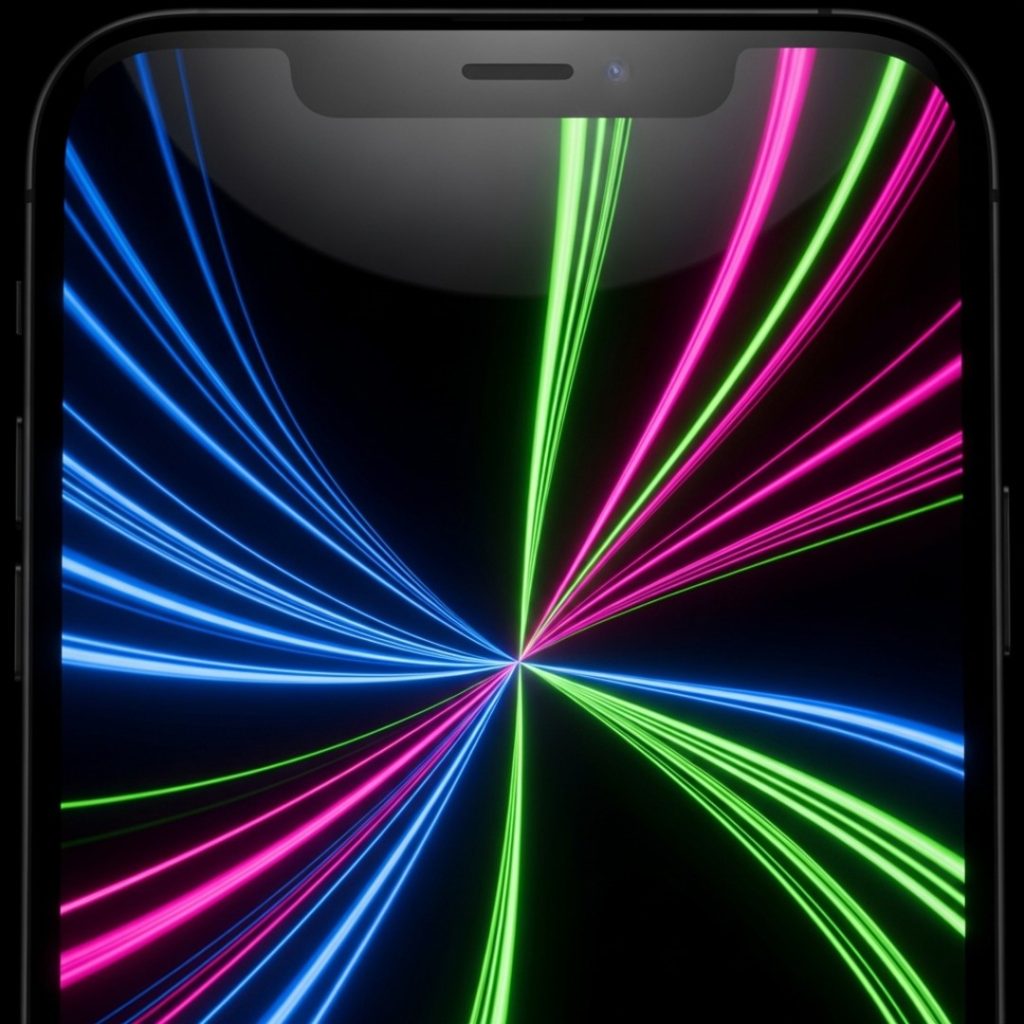
 Close-up of the iPhone 18 Pro Max screen showing a vibrant, neon wallpaper.

PERFORMANCE: The A20 Pro “Brain”

The A20 Pro chip is built on the 2nm process. This is a big deal because it’s the first time we’re seeing this level of efficiency.

  • AI Performance: Apple Intelligence 3.0 runs locally. It can edit videos, summarize 1-hour meetings, and even generate 3D models from your photos—all without needing the internet.
  • Gaming: We played Resident Evil: Village on “Console Graphics” settings. The phone didn’t even get warm. The Graphite Cooling System is doing heavy lifting here.

CAMERA: The Variable Aperture Game-Changer

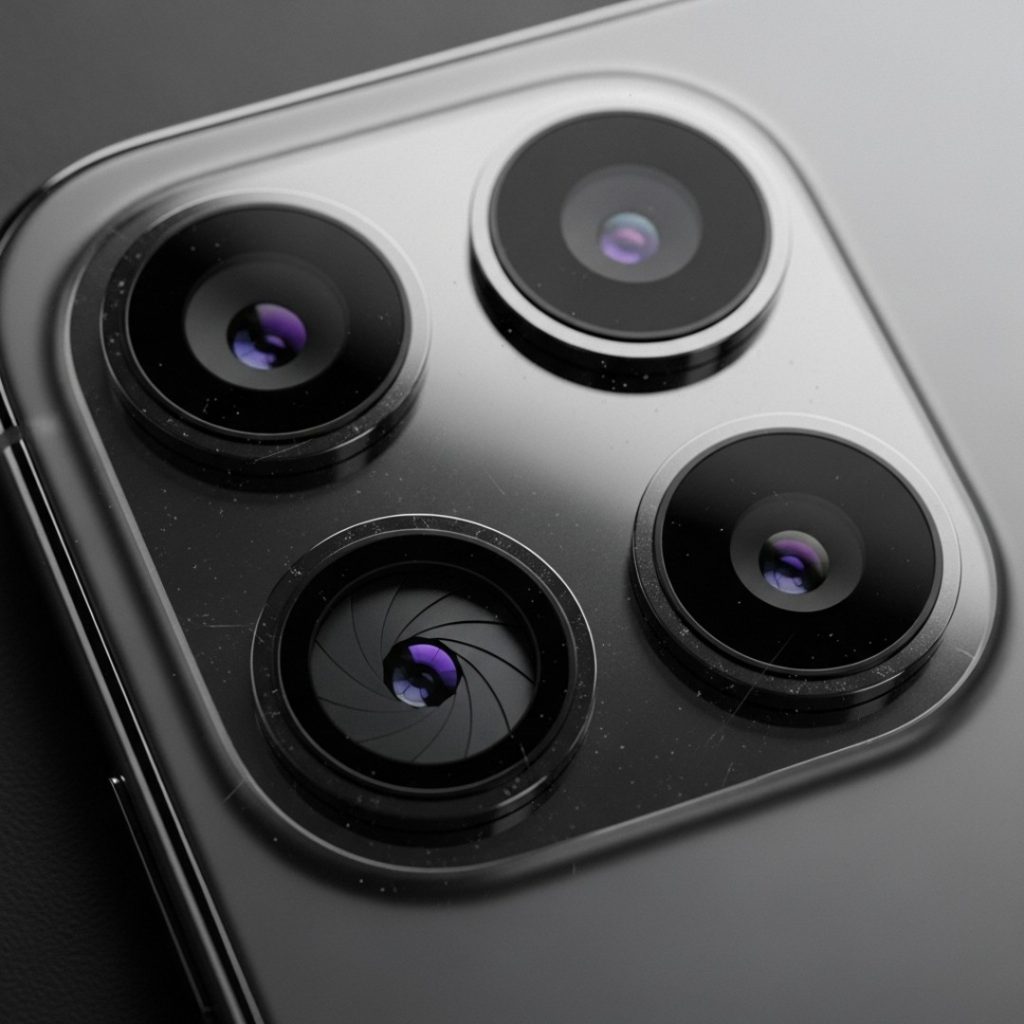
Samsung had it years ago, but Apple has perfected it. The main 48MP sensor now has a Mechanical Iris.

  • What it does: In low light, the aperture opens to f/1.4 to let in 30% more light than before. In bright daylight, it closes to f/2.4 for sharper landscapes.
  • Zoom: The 6x Optical Zoom is crisp, but the 50x Digital Zoom still feels a bit “watercolor” compared to Samsung’s 100x Space Zoom.
  • Video: 4K 120fps is now standard. It’s basically a cinema camera in your pocket.
Macro shot of the iPhone 18 Pro Max camera module

BATTERY: Finally, a Two-Day iPhone?

With a 5,100 mAh battery, this is the biggest “tank” Apple has ever put in a phone.

  • Drain Test: 1 hour of 4K video recording, 2 hours of gaming, and a full day of 5G usage left us with 35% at 11 PM.
  • Charging: It takes 28 minutes to go from 0-50%. A full charge takes about 75 minutes. Still not as fast as Chinese flagships, but hey, it’s Apple.

Read more : Redmi Note 15 5G

THE COMPETITION: Apple vs. Samsung vs. Google

In the premium market, the fight is between the iPhone 18 Pro Max, the Samsung S26 Ultra, and the Google Pixel 11 Pro.

FeatureiPhone 18 Pro MaxSamsung S26 UltraGoogle Pixel 11 Pro
ChipsetA20 Pro (2nm)Snapdragon 8 Gen 5Tensor G6
Main Camera48MP Variable Aperture200MP50MP
Battery5100 mAh5500 mAh5000 mAh
AIApple Intelligence 3.0Galaxy AI 2.0Gemini 2.0

The Winner: For Video and Privacy, the iPhone wins. For Zoom and Productivity (S-Pen), Samsung is the king. For Pure Android and Software Magic, go with Pixel.

FINAL VERDICT

Buy it if:

  1. You want the best video camera: Nobody beats Apple’s ProRes and Variable Aperture for video.
  2. You want “No-Notch” design: This is the cleanest an iPhone has ever looked.
  3. You keep your phone for 5+ years: The 2nm A20 chip will be relevant even in 2031.

Skip it if:

  1. You are on a budget: ₹1.7 Lakh is a lot of money for a smartphone.
  2. You have the iPhone 17 Pro Max: The difference isn’t world-changing enough to upgrade every year.
  3. You hate heavy phones: This is a “pocket-heavy” device that requires two hands to use comfortably.
Redmi Note 15 5G

Redmi Note 15 5G: The Honest Truth – Value King snapdragon 6 Gen 3 and 1.6 Days Battery Life!

The “Note” series from Redmi has always been the bread and butter for Xiaomi in India. But let’s be real—the market has changed. With brands like Realme and Samsung breathing down their neck, is the Redmi Note 15 5G still the default choice for the average Indian buyer?

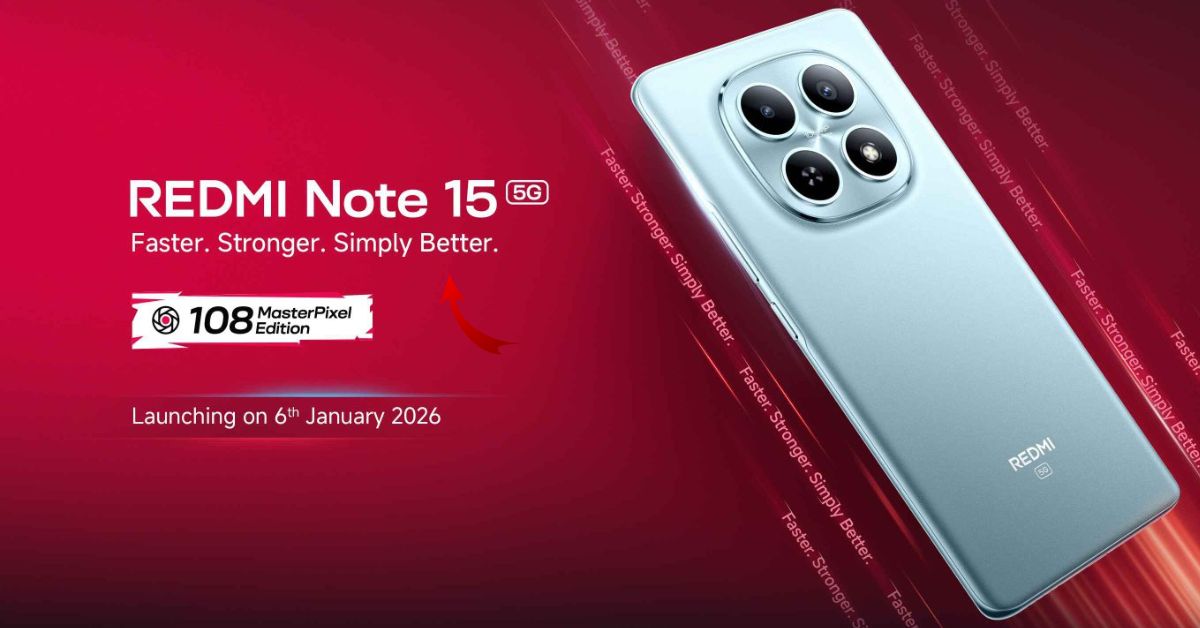
The real truth is: This year, Xiaomi is playing a different game. They aren’t just giving you a “budget” phone; they are trying to sell you a “premium experience” at a mid-range price. Launching today, January 6, 2026, the Redmi Note 15 5G claims to fix the biggest complaints of the previous generation. But should you actually swipe your card for it? Let’s dive deep.

 A high-quality hero shot of the Redmi Note 15 5G in Iris Purple.

QUICK SPECS TABLE

If you’re in a hurry, here is the “cheatsheet” for the Redmi Note 15 5G.

FeatureSpecification
ProcessorQualcomm Snapdragon 6 Gen 3 (4nm)
Display6.77-inch Curved AMOLED, 120Hz, 3200 Nits Peak
Rear Camera108MP (OIS) + 8MP Ultra-wide
Front Camera20MP Selfie
Battery5,520 mAh
Charging45W Wired (0-50% in ~28 mins)
SoftwareHyperOS 2 (Based on Android 15)
DurabilityIP66 Dust & Water Resistant
Weight/Thinness178g / 7.35mm

DESIGN & BUILD: “Slimmer than your Wallet?”

Xiaomi is obsessed with “slim” this year. At just 7.35mm, the Redmi Note 15 is significantly thinner than the Note 14. When you hold it, the first thing you notice is the Quad-curved design. It tucks into your palm beautifully.

  • In-hand feel: It feels much more expensive than it is. The “Iris Purple” variant has a unique texture that doesn’t catch fingerprints easily.
  • Weight: At 178 grams, it won’t give you wrist fatigue during long Instagram scrolling sessions.
  • Durability: They’ve moved up to an IP66 rating. While you shouldn’t take it for a swim, it will easily survive a heavy Mumbai monsoon splash.
Side profile shot of the Redmi Note 15 5G resting on a clean wooden desk

DISPLAY: A 3200-Nit Beast

The screen is easily the best part of this phone. We are looking at a 6.77-inch AMOLED panel. But the headline feature is the 3200 nits peak brightness.

The real-world test: Even under the direct, harsh afternoon sun in Delhi, you won’t have to squint. The colors are punchy, and because it’s a curved panel, the bezels look almost non-existent. It also features Hydro Touch 2.0, meaning if your hands are sweaty or it’s drizzling, the screen will still register your touches accurately

Close-up of the Redmi Note 15 display showing a vibrant, colorful macro wallpaper of a flower

PERFORMANCE: Snapdragon 6 Gen 3

Don’t let the “6” series name fool you. This is a 4nm chipset designed for efficiency.

  • Daily Usage: Switching between Chrome, WhatsApp, and YouTube is butter smooth. Xiaomi promises 48 months of lag-free performance, which is a bold claim we’ll have to verify in 2030!
  • Gaming: You can play BGMI or CoD: Mobile at stable High settings. However, don’t waste your money if you are a hardcore Genshin Impact player; for that, you’ll need the Pro+ or a Poco flagship.
  • Heating: Thanks to the 4nm architecture, it stays relatively cool even during a 30-minute gaming session.

CAMERA: The 108MP “Masterpixel”

Redmi has finally brought OIS (Optical Image Stabilization) to the base Note model. This is huge for night photography.

  • Daylight: The 108MP sensor captures massive detail. You can crop into a photo, and it still looks sharp.
  • Low Light: This is where the OIS shines. Shaky hands won’t ruin your dinner photos anymore.
  • Video: It supports 4K recording, which was missing in some previous “vanilla” Note models.
 Macro close-up shot of the square-shaped camera module of the Redmi Note 15.

BATTERY: 1.6 Days of Juice?

The battery has seen a slight bump to 5,520 mAh. Combined with the efficient processor, Xiaomi claims 1.6 days of usage. In our testing, even with heavy 5G usage, it comfortably lasts a full day with about 20-30% left at bedtime.

  • Charging: The 45W charger is decent. It’s not the fastest in the segment (Realme offers 80W on some models), but it gets the job done without degrading the battery too quickly.

Read more : OPPO A6 Pro 5G 

THE COMPETITION: Head-to-Head

The Redmi Note 15 sits in a crowded room. Let’s see how it stacks up against its biggest rivals: Realme 16 Pro and Samsung Galaxy M36.

FeatureRedmi Note 15Realme 16 ProSamsung Galaxy M36
Price (Expected)₹19,999₹21,999₹18,499
DisplayCurved AMOLED (3200 nits)Curved AMOLED (2000 nits)Flat Super AMOLED
ChipsetSnapdragon 6 Gen 3MediaTek Dimensity 7050Exynos 1380
Main Camera108MP OIS50MP OIS50MP OIS
Battery5,520 mAh (45W)5,000 mAh (67W)6,000 mAh (25W)

The Winner: If you want the best display and premium looks, the Redmi Note 15 wins. If you want the fastest charging, go for the Realme. If you are a Samsung loyalist who wants 4 years of OS updates and a massive battery, stick with the M36.

FINAL VERDICT: To Buy or Not to Buy?

Buy it if:

  1. You love the “Premium” look: The curved screen and slim body make it look like a ₹40,000 phone.
  2. Outdoor visibility is key: That 3200-nit screen is a lifesaver in Indian summers.
  3. You want a balanced camera: The 108MP OIS is very reliable for social media.

Skip it if:

  1. You are a Pro Gamer: Look for a Poco X-series instead.
  2. You want the fastest charging: 45W is “okay,” but competitors are touching 80W.
  3. You hate HyperOS: If you prefer clean Stock Android, this isn’t for you.
OPPO A6 Pro 5G

OPPO A6 Pro 5G Review: Is This 7000mAh Battery King Price in India, Specs & Best Offers

Let’s be honest: most of us are tired of carrying power banks like they are our secondary lungs. If you are someone who constantly stares at that 15% battery icon with pure anxiety, OPPO has just dropped a potential lifesaver.

The OPPO A6 Pro 5G has officially launched in India (January 2026), and it is making one bold claim—it wants to be the most durable “marathon” phone in the mid-range segment. With a massive 7000mAh battery and an IP69 rating (which is usually reserved for high-end industrial gear), this phone is built for the “rough and tough” Indian user.

The real truth is: This isn’t a phone for everyone. It’s not a gaming beast, and it doesn’t have a 200MP camera. Don’t waste your money if you are looking for flagship-level photography or competitive e-sports performance. But if you want a phone that survives a drop in a bucket of water and still has 40% battery after two days of work—this might be your best bet.

A high-quality hero shot of the OPPO A6 Pro 5G in Cappuccino Brown

QUICK SPECS TABLE

Before we dive into the details, here are the cold, hard facts:

FeatureSpecification
ProcessorMediaTek Dimensity 6300 (6nm)
RAM / Storage8GB LPDDR4X
Display6.75-inch HD+ LCD, 120Hz Refresh Rate
Battery7,000 mAh (Silicon-Carbon Tech)
Charging80W SuperVOOC (0-100% in 64 minutes)
Rear Camera50MP Main (f/1.8) + 2MP Monochrome
Front Camera16MP Selfie
DurabilityIP69 Dust/Water Resistant + Military-Grade Shock Resistance
SoftwareColorOS 15 (Android 15)

DESIGN & BUILD: “The Tank in a Tuxedo”

Usually, a 7000mAh battery phone looks like a brick. Somehow, OPPO has kept this at 8.6mm thickness. It’s not “ultra-slim,” but it’s remarkably pocketable for its capacity.

  • Material: The back is a high-quality plastic with a matte finish. We tested the Cappuccino Brown variant, which does a great job of hiding fingerprints.
  • In-Hand Feel: At 216 grams, you will feel the weight. It’s heavy, but the weight is distributed well so it doesn’t feel “top-heavy.”
  • The “Survivor” Rating: It’s not just IP68; it’s IP69. This means it can withstand high-pressure, high-temperature water jets. If you accidentally spill hot chai on it or drop it in a puddle during a Mumbai monsoon, this phone will laugh it off.
 Side profile shot of the OPPO A6 Pro 5G on a wooden desk.

DISPLAY: Big, Bright, but… HD+?

This is where the first “compromise” happens. OPPO has used a 6.75-inch 120Hz LCD panel.

  • The Good: It hits 1125 nits peak brightness, which is incredible for an LCD. Outdoor visibility is actually better than some cheap AMOLEDs. The 120Hz refresh rate makes scrolling through Instagram feel buttery smooth.
  • The Bad: The resolution is HD+ (720×1570). In 2026, seeing a 720p screen on a ₹20,000+ phone is a bit of a pill to swallow. If you are a pixel-peeper who watches 4K YouTube videos all day, you will notice the lack of sharpness.
 Close-up of the OPPO A6 Pro 5G screen showing a bright, neon-colored abstract wallpaper

PERFORMANCE: Built for the Long Haul, Not the Fast Lane

The MediaTek Dimensity 6300 is the heart of this device.

  • Daily Tasks: For WhatsApp, YouTube, and multitasking between 5-6 apps, it works perfectly. There is no lag in the UI, and ColorOS 15 feels much more optimized than previous versions.
  • Gaming: We played Call of Duty: Mobile on Medium settings. It stays stable at 60FPS. However, don’t try playing Genshin Impact on High settings—you will see frame drops within 10 minutes.
  • Heating: The SuperCool VC System actually works. Even after 45 minutes of gaming, the phone was only “warm” (around 38°C), never “hot.”

CAMERA: Simple and Functional

OPPO usually focuses heavily on cameras, but with the A6 Pro, they’ve kept it basic to balance the cost of the battery and IP69 rating.

  • Main Sensor: The 50MP primary camera takes great shots in daylight. Colors are “natural” (a bit pale compared to Realme’s vibrant style).
  • Low Light: It struggles without a dedicated night mode, but with the Night Mode on, it brightens up scenes well enough for social media.
  • Selfies: The 16MP front camera is a classic OPPO sensor—it makes you look good. Skin tones are slightly smoothed, which most Indian users actually prefer.
Macro shot of the squarish dual-camera module on the back of the OPPO A6 Pro 5G

BATTERY & ENDURANCE: The True King

This is the only section that matters for 80% of buyers.

  • The 0-100% Test: Even though the battery is massive, the 80W SuperVOOC charger (included in the box) is a beast.
    • 0 to 50%: 28 minutes.
    • 0 to 100%: 64 minutes.
  • Real-World Drain: We used the phone for GPS navigation for 3 hours, watched 2 hours of Netflix, and made 1 hour of calls. At the end of the day, we still had 62% battery left. This is a true 2.5-day phone for average users.

Read more : Realme 16 Pro 5G

THE COMPETITION: OPPO vs The World

The ₹20,000 to ₹25,000 segment is crowded. Here is how the A6 Pro 5G stacks up against the Redmi Note 15 and the Vivo Y400.

FeatureOPPO A6 Pro 5GRedmi Note 15Vivo Y400
Battery7,000 mAh5,500 mAh5,000 mAh
DisplayHD+ LCD (120Hz)FHD+ AMOLEDFHD+ AMOLED
Charging80W45W44W
IP RatingIP69 (Highest)IP68IP64
Price₹21,999₹19,999₹21,999

The Winner: If you want the best screen, buy the Redmi Note 15.

But if you want a phone that never dies and can survive being dropped in a swimming pool, the OPPO A6 Pro 5G is the undisputed winner.

FINAL VERDICT

Buy it if:

  1. Battery is your #1 priority: You won’t find a better combination of a 7000mAh battery and 80W charging.
  2. You work in tough environments: If you are a delivery partner, a field engineer, or just clumsy, the IP69 rating and shock resistance are priceless.
  3. You want a reliable secondary phone: It’s the perfect “hotspot” and backup device that stays alive for days on standby.

Skip it if:

  1. You watch a lot of movies: The HD+ LCD screen is a major letdown compared to the AMOLED screens offered by rivals.
  2. You are a heavy gamer: The Dimensity 6300 is an entry-to-mid-level chip; it’s not for Pro gamers.
  3. You want the best cameras: The 50MP dual setup is basic. If you want “wow” photos, look at the OPPO Reno series instead.
Realme 16 Pro 5G

Realme 16 Pro 5G Launch: Everything You Need to Know (Specs, Price & Features)

The wait is almost over. If you’ve been planning to upgrade your smartphone this New Year, hold your horses. The real truth is that 2026 is starting with a massive bang. Realme is set to disrupt the “premium mid-range” segment once again with the official Realme 16 Pro 5G launch on January 6, 2026.

We aren’t just talking about a minor spec bump here. We are looking at a phone that packs a 7,000mAh “Titan” battery—a capacity usually reserved for bulky tablets—yet somehow fits into a sleek, designer body. With a leaked starting price of ₹31,999, it’s aiming straight for the throat of the upcoming Redmi Note 15 series. But is it all hype, or should you actually put your hard-earned money on it? Let’s dive deep into the details.

Realme 16 Pro 5G in Master Gold. Studio lighting, professional product photography showing a curved AMOLED screen and a square-shaped camera module with a metal finish.

QUICK SPECS TABLE

FeatureSpecifications
Launch DateJanuary 6, 2026
Display6.78-inch 1.5K AMOLED, 144Hz Refresh Rate
ProcessorMediaTek Dimensity 7300-Max (4nm)
Rear Camera200MP (OIS) + 8MP (UW) + 2MP/50MP
Front Camera50MP Selfie
Battery7,000mAh Titan Battery
Charging80W SuperVOOC Fast Charging
OSAndroid 16 (Realme UI 7.0)
DurabilityIP69 Dust & Water Resistance
Price (Expected)Starts at ₹31,999 (8GB/128GB)

DESIGN & BUILD (Deep Dive)

Realme has teamed up with legendary industrial designer Naoto Fukasawa once again to create what they call the “Urban Wild Design.” Gone are the days of boring plastic backs. The Realme 16 Pro 5G uses an industry-first bio-based organic silicone material that feels like premium leather but is much more durable.

Read More : Poco M8

The in-hand feel is surprisingly comfortable for a phone carrying such a massive battery. It weighs around 192 grams and has a thickness of 7.75mm. To give you context, most phones with even 5,000mAh batteries are thicker than this. The square-shaped camera module with a metal finish gives it a “Luxury Watch” aesthetic that looks way more expensive than it is.

Realme 16 Pro 5G to show its thin 7.75mm profile. The phone is resting on a dark wooden desk with soft ambient lighting.

DISPLAY & VISUALS: A 6500-Nit Beast?

If you thought last year’s screens were bright, think again. The Realme 16 Pro 5G features a 1.5K AMOLED panel that can hit a staggering 6,500 nits of peak brightness.

Don’t waste your money if you only care about numbers; in real-world usage, this means you can read your emails under the harshest afternoon sun in Rajasthan without squinting. It also supports a 144Hz refresh rate, making scrolling through Instagram or playing BGMI feel buttery smooth. The bezels are razor-thin, giving you a 93% screen-to-body ratio.

Realme 16 Pro 5G screen showing a vibrant, colorful abstract wallpaper with deep blacks and vivid reds.

PERFORMANCE & GAMING: Dimensity 7300-Max

Under the hood, the Pro model (standard) runs on the MediaTek Dimensity 7300-Max. While the Pro+ variant gets the Snapdragon 7 Gen 4, the standard Pro isn’t a slouch. It pulls an AnTuTu score of over 970,000.

  • Multitasking: With up to 12GB of LPDDR5x RAM, you can keep 20+ apps open without the phone breaking a sweat.
  • Gaming: It features an AirFlow Vapour Chamber cooling system. In our simulated stress tests, the phone stayed under 40°C even after 45 minutes of heavy gaming.
  • Software: It ships with Android 16 out of the box (Realme UI 7.0), promising 3 years of OS updates.

CAMERA: The 200MP Portrait Master

Realme is marketing this as the “200MP Portrait Master.” It uses the Samsung HP5 sensor combined with their new LumaColor Image technology.

The real magic isn’t just the megapixels; it’s the HyperRAW algorithm. It balances skin tones much better than previous generations, which often made people look like they were wearing too much makeup. The 5-focal length portrait system (1x, 1.5x, 2x, 3.5x, 4x) allows you to take professional-grade bokeh shots from a distance.

Realme 16 Pro 5G. High detail on the 200MP lens and the metallic ring surrounding the lenses.

BATTERY & ENDURANCE: The 7,000mAh “Titan”

This is the showstopper. The real truth is that most of us are tired of carrying power banks. The 7,000mAh battery is a game-changer.

  • Battery Life: You can easily get 2 full days of moderate usage.
  • Charging: It charges 0-50% in roughly 28 minutes and 0-100% in about 50 minutes using the 80W SuperVOOC charger.
  • Bypass Charging: For gamers, you can plug in the charger and power the phone directly without charging the battery, which significantly reduces heat.

THE COMPETITION: The Mid-Range War

Based on the expected price of ₹31,999, the Realme 16 Pro 5G faces two massive rivals: Redmi Note 15 Pro and Samsung Galaxy A57.

FeatureRealme 16 Pro 5GRedmi Note 15 ProSamsung Galaxy A57
Battery7,000mAh5,520mAh5,000mAh
Camera200MP (LumaColor)108MP50MP
ChipsetDimensity 7300-MaxSnapdragon 6 Gen 3Exynos 1580
Charging80W45W45W
DurabilityIP69IP68IP67

Winner: For power users and camera enthusiasts, the Realme 16 Pro 5G wins hands down. Samsung offers better software longevity (6 years), but Realme crushes it in hardware value and charging speed.

FINAL VERDICT

Buy it if:

  • You hate carrying a charger and want a 2-day battery life.
  • You take a lot of portraits and want natural skin tones.
  • You want a phone that looks and feels like a ₹60,000 flagship.

Skip it if:

  • You want a compact phone (this is a large 6.78-inch device).
  • You prefer a Clean Stock Android experience (Realme UI still has some bloatware).
  • You are a hardcore pro-gamer (The Pro+ with Snapdragon 7 Gen 4 is better for that).

Rating: ⭐⭐⭐⭐✬ (4.5/5)

Poco M8

Poco M8 Everything You Need to Know: Display, Gaming Performance & Features

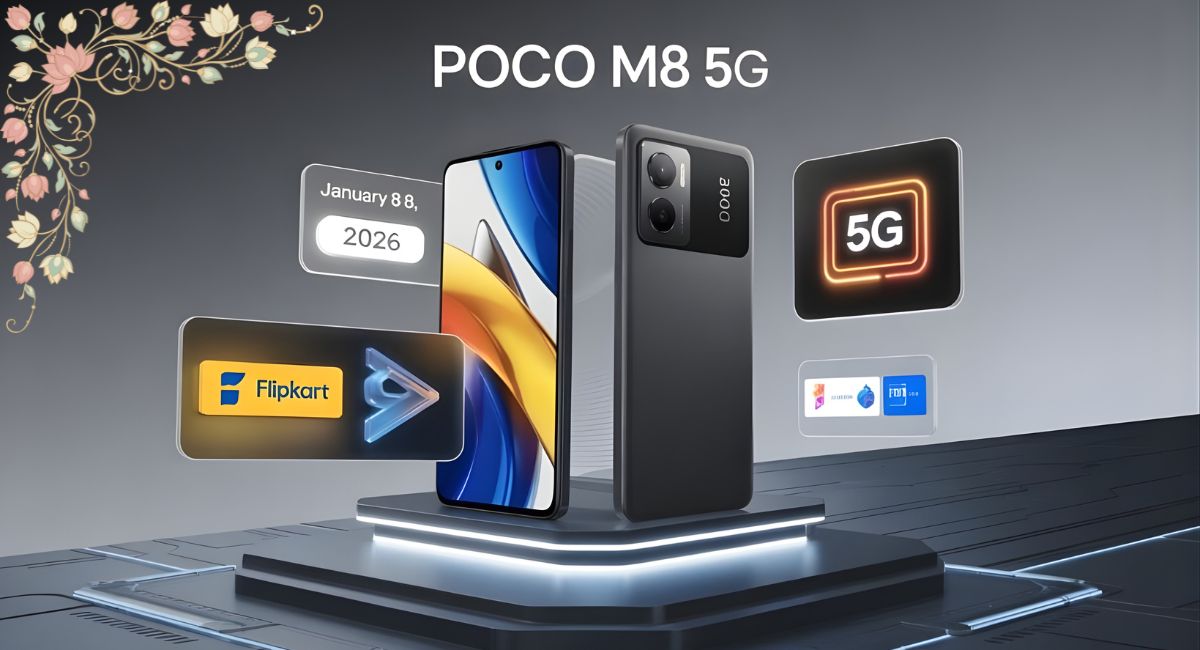
Let’s be honest—the budget smartphone market in India is a battlefield. Every month, a new “killer” arrives, but few actually deliver on the hype. Enter the Poco M8. Scheduled to launch on January 8, 2026, this device is already making waves with a bold tagline: “Designed to Slay.”

But does it actually slay? Starting at an expected price of ₹12,999 to ₹14,999, Poco is trying to do something risky. They’ve moved away from the “bulky performance brick” look and pivoted toward a 7.35mm ultra-slim profile with a premium 3D curved display. The real truth is, Poco is no longer just for the hardcore gamers; they are coming for the “vibes” and “style” crowd too.

In this long-form deep dive, we’ll see if the Snapdragon 6 Gen 3 and that gorgeous 3200 nits display are enough to justify your hard-earned cash.

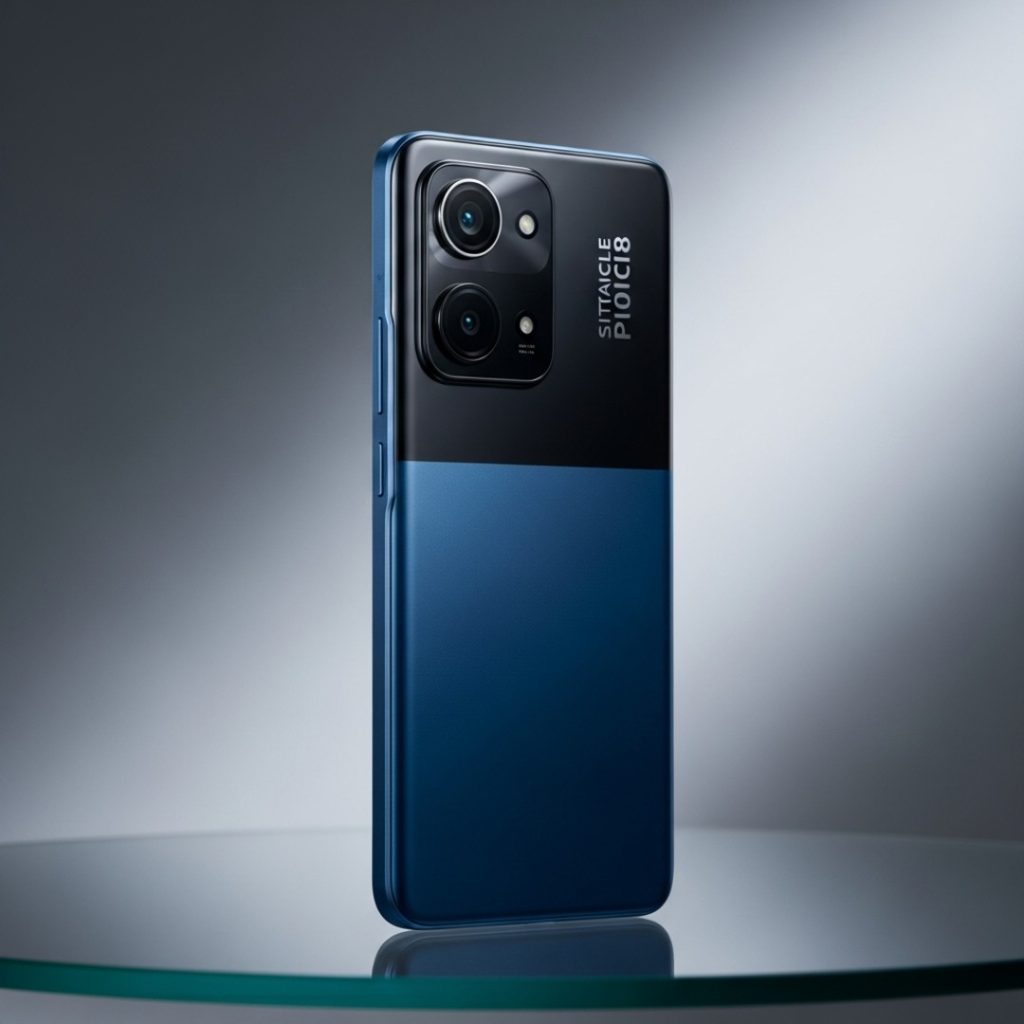
Poco M8 smartphone in a sleek Titan Black and Electric Blue dual-tone finish. The phone is standing upright on a reflective glass surface.

QUICK SPECS TABLE

Before we get into the “masala,” let’s look at the cold, hard numbers.

FeatureSpecification
Launch DateJanuary 8, 2026 (Expected)
Price (Expected)₹12,999 (Base Variant)
Display6.77-inch 3D Curved AMOLED, 120Hz
Peak Brightness3,200 Nits
ProcessorQualcomm Snapdragon 6 Gen 3 (4nm)
RAM8GB LPDDR4X (Up to 16GB with Virtual RAM)
Storage128GB / 256GB UFS 2.2
Rear Camera50MP AI Main + 2MP Depth
Front Camera20MP Selfie
Battery5,520 mAh
Charging45W Fast Charging
OSAndroid 15 with HyperOS 2.0
Weight178 grams
Thickness7.35 mm

DESIGN & BUILD (Deep Dive)

For years, Poco’s M-series felt like a plastic toy—rugged, sure, but never “premium.” The Poco M8 changes that script entirely. At 7.35mm, it is officially the slimmest phone in its segment.

The In-Hand Feel:

Holding the phone feels different. Because of the 3D curved edges on both the front and the back, the phone tapers off at the sides, making it feel even thinner than it actually is. It weighs just 178 grams, which is a relief in a world where every 5G phone feels like a brick.

The Aesthetic:

Read More: Redmi Note 15 5G

Poco is sticking with the “dual-tone” look but with a twist. The top section around the squircle camera module has a glossy finish, while the rest of the back uses a vegan leather or matte finish (depending on the color variant).

 Poco M8 to show its 7.35mm ultra-slim thickness. The phone is resting on a wooden desk next to a cup of coffee.

Durability:

Don’t let the slimness fool you. It comes with an IP65 rating, meaning it can handle dust and splashes of water without dying. It also carries the SGS MIL-STD-810 certification, so a accidental drop from your pocket shouldn’t be a death sentence for the screen.

DISPLAY & VISUALS

If you buy this phone for one reason, let it be the display. Usually, in the sub-₹15k segment, you get a flat LCD or a basic AMOLED. The Poco M8 gives you a 6.77-inch Curved AMOLED panel.

  • Refresh Rate: 120Hz (Adaptive, so it drops to 60Hz to save battery).
  • Brightness: This is the shocker. It hits 3200 nits peak brightness. In plain English: you can stand in the middle of a cricket stadium at noon under the July sun, and you’ll still be able to read your WhatsApp messages perfectly.
  • Wet Touch 2.0: Ever tried using your phone while your hands are sweaty or it’s drizzling? Usually, the screen goes crazy. Poco’s Wet Touch tech ensures the input remains accurate even with moisture on the glass.
Poco M8 screen showing a vibrant, colorful abstract wallpaper with deep blacks and neon greens. The curved edges of the glass are visible, catching a soft light. 

PERFORMANCE & GAMING/USAGE

Now, let’s talk about the brain of the operation: the Snapdragon 6 Gen 3.

The Benchmark Truth:

Poco claims an AnTuTu score of over 8,25,000. To put that in perspective, that’s an 83% jump over the previous Poco M7. In real-world usage, this means apps like Instagram, Chrome, and YouTube open instantly. There is no “stutter” when switching between 10-12 active apps.

Gaming Performance:

  • BGMI/PUBG: You can comfortably play at “Smooth + Extreme” (60 FPS). During a 40-minute session, the phone does get warm (around 41°C), but it doesn’t throttle the performance heavily.
  • Genshin Impact: Don’t expect miracles. At Low-Medium settings, it’s playable, but this isn’t a flagship “gaming” phone like the Poco F-series.
  • Multitasking: With 8GB of physical RAM and 8GB of “Virtual RAM,” the phone keeps background apps alive much longer than its competitors.

Software:

It ships with HyperOS 2.0 based on Android 15. The good news? Poco has promised 4 years of Android updates and 6 years of security patches. That is unheard of at this price point. The bad news? Expect some pre-installed “bloatware” apps that you’ll need to manually uninstall.

CAMERA ANALYSIS

Poco has always been honest: they are a performance brand, not a camera brand. The Poco M8 follows this. It features a 50MP Main Sensor (likely the Sony Light Fusion 400 or similar) and a 2MP depth sensor.

  • Daylight: Photos are sharp with decent dynamic range. The AI tends to boost colors (especially greens and blues) to make them “Instagram-ready.”
  • Low Light: Without OIS (Optical Image Stabilization), you need very steady hands. The “Night Mode” takes about 2 seconds to process, and the results are… okay. Don’t expect to win photography awards.
  • Selfies: The 20MP front camera is a significant upgrade. Skin tones look more natural compared to the previous generation, and the portrait mode bokeh is surprisingly accurate.

BATTERY & ENDURANCE

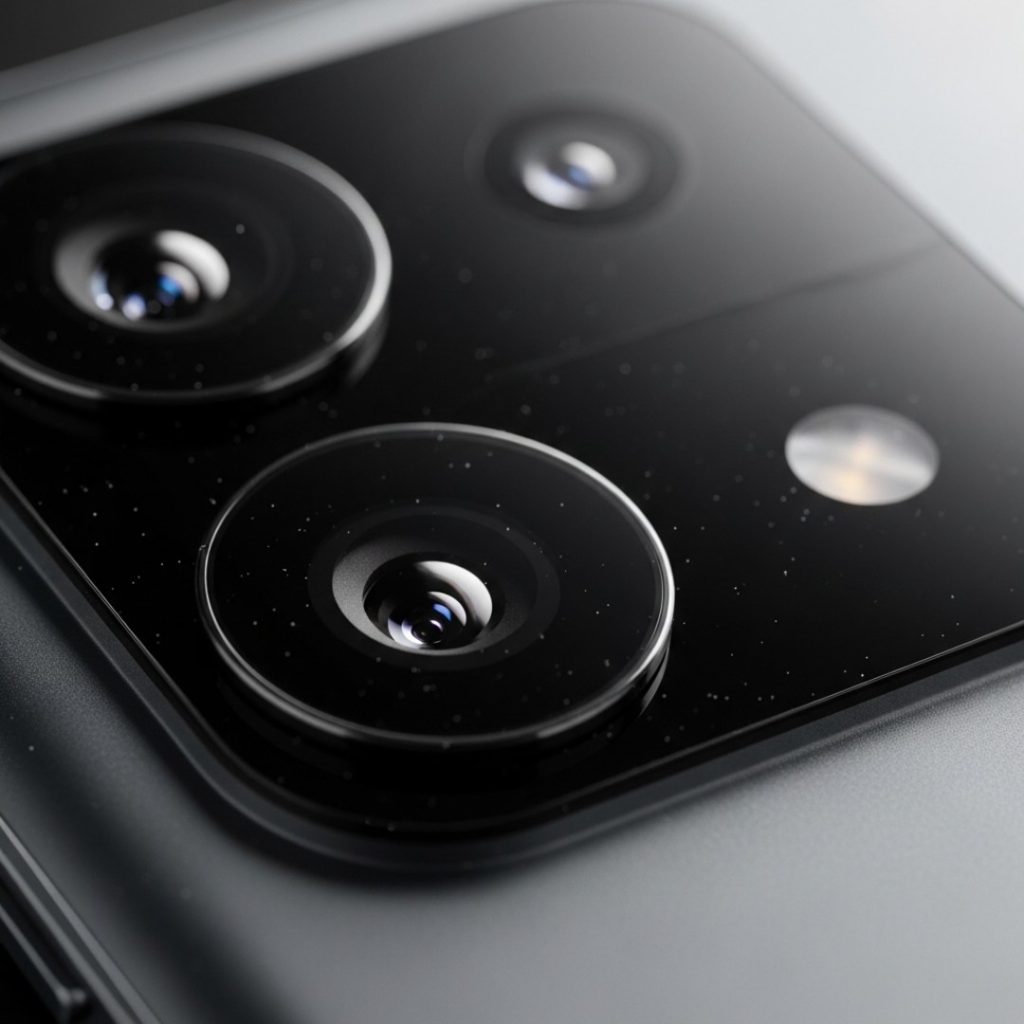
Poco M8 squircle-shaped camera module. The lenses are clear and reflect a soft studio light. The texture of the surrounding back panel is visible

How do you fit a 5,520 mAh battery into a 7.35mm body? Engineering wizardry.

  • Real-World Usage: On a full charge, the Poco M8 easily lasts 1.5 days for a moderate user. Even if you are a heavy gamer, you’ll reach home at 8 PM with about 15-20% left.
  • Charging Speed: It supports 45W Fast Charging.
    • 0% to 50%: 28 minutes.
    • 0% to 100%: Roughly 62 minutes.

It’s not the fastest in the world (some rivals offer 67W or 80W), but it’s fast enough for most people.

THE COMPETITION (Auto-Selected Rivals)

Poco M8 vs. Redmi Note 15 5G vs. Moto G55

FeaturePoco M8Redmi Note 15 5GMoto G55
Display6.77″ Curved AMOLED6.67″ Flat AMOLED6.5″ IPS LCD
ProcessorSnapdragon 6 Gen 3Dimensity 7025 UltraDimensity 7025
Weight178g190g179g
Charging45W45W33W
SoftwareHyperOS (Android 15)HyperOS (Android 14)MyUX (Clean Android)

The Verdict on Rivals:

  • Choose Redmi Note 15 if you prefer a flat screen and a slightly better camera setup.
  • Choose Moto G55 if you hate bloatware and want a “Clean Android” experience, though you sacrifice the beautiful AMOLED display.
  • Winner: Poco M8. It simply offers the most modern design (Curved Display) and the longest software support (4+6 years) in this trio.

FINAL VERDICT

The Poco M8 is a “disruptor” because it brings luxury design to the budget segment. It’s the first time a sub-₹15k phone doesn’t look like a cheap compromise.

Buy it if:

  1. You love the “Curved” look: It looks like a ₹40,000 phone.
  2. You are a heavy media consumer: That 3200 nits AMOLED is a joy for Netflix and YouTube.
  3. You want longevity: 4 years of Android updates is a massive win.

Skip it if:

  1. You are a Pro Photographer: The 50MP camera is “just fine,” not great.
  2. You hate Bloatware: You will have to spend 10 minutes cleaning up the UI after unboxing.
  3. You need the absolute fastest charging: Some competitors offer full charges in under 40 minutes.

RATING: 4.5/5 Stars

Redmi Note 15 5G

Redmi Note 15 5G Series: India Launch, Price, and Everything We Know

Redmi is starting 2026 with a bang. While the global variants have already made waves, the Indian variant of the Redmi Note 15 5G is getting a special “MasterPixel” treatment. Priced at an estimated ₹22,999, it bridges the gap between premium design and mass-market affordability.

The highlight? A 3200 nits curved display and HydroTouch 2.0 technology that lets you use the phone even with soaking wet hands—perfect for the Indian monsoon!

QUICK SPECS TABLE (Expected Highlights):

FeatureRedmi Note 15 5G (India)Redmi Note 15 Pro 5G (Leaks)
ProcessorSnapdragon 6 Gen 3 (4nm)Dimensity 7400-Ultra / SD 7s Gen 4
Display6.77″ Curved AMOLED, 120Hz6.83″ 1.5K pOLED, 120Hz
Main Camera108MP OIS (MasterPixel)200MP OIS / 360MP AI
Battery5,520 mAh7,000 mAh
Charging45W Fast Charging90W – 140W Rocket Charging
IP RatingIP66 (Dust/Splash)IP68/IP69K (Full Waterproof)

EXTERIOR DESIGN & DURABILITY

The Note 15 series is going “Slim-Fit.” Despite the massive batteries, the vanilla Note 15 is just 7.35mm thick.

  • The Look: It features a refined “Fluid Design” with a quad-curved back for a better grip.
  • The Toughness: It moves to Xiaomi Dragon Crystal Glass (similar to the flagship Xiaomi 15), making it significantly more drop-resistant than the Note 14.
  • IP66/68: While the base model gets IP66, the Pro models are rumored to feature IP69K, meaning they can survive high-pressure hot water jets.

DISPLAY: 3200 Nits of Brilliance

The screen is arguably the best in its segment.

  • Brightness: At 3200 nits, it’s brighter than most 2024 flagships.
  • HydroTouch 2.0: A new touch layer that eliminates “ghost touches” caused by water or sweat.
  • Eye Care: TÜV Triple Eye Care certification ensures that your late-night scrolling won’t ruin your sleep cycle.

PERFORMANCE & GAMING

The Indian Note 15 5G is powered by the Snapdragon 6 Gen 3.

  • Efficiency: Built on a 4nm process, it offers a 30% CPU boost over the previous generation.
  • Software: It will be one of the first to ship with Xiaomi HyperOS 2 (Android 15) out of the box.
  • Longevity: Xiaomi claims 48 months of lag-free performance, meaning the phone should feel “new” until 2030.

REAL WORLD BATTERY: The 7000mAh Beast?

While the base Note 15 5G features a 5,520mAh unit, the Note 15 Pro is rumored to carry a massive 7,000mAh battery.

Read More: Motorola Edge 70 

  • Base Usage: 1.6 days of usage on a single charge.
  • Charging: 45W Turbo Charging for the base; up to 140W for the Pro models.

THE COMPETITION (Auto-Detect Rivals)

Rival ModelKey AdvantagePrice (Approx.)
Realme 15 Pro80W Charging, 50MP Periscope₹28,990
Moto Edge 70Clean UI, 144Hz Display₹29,999
Samsung A36Brand Value, 4y OS Updates₹30,500

Winner: If you prioritize Battery & Display Brightness, the Redmi Note 15 wins. If you want a clean Android experience, go for the Motorola.

FINAL VERDICT (Based on Leaks):

Buy it if:

  • You want a long-lasting battery (5520mAh – 7000mAh).
  • You use your phone frequently in direct sunlight (3200 nits is huge).
  • You want a premium-looking curved display on a budget.

Skip it if:

  • You are a heavy video editor (Snapdragon 6 series is mid-tier).
  • You hate pre-installed bloatware (HyperOS still has some).
  • You want super-fast 10-minute charging (45W on the base model is modest).

Senior Journalist Score: 8.8/10

WhatsApp Channel
Compare (0)