Only COD || Advance में ₹1 भी नहीं देना है
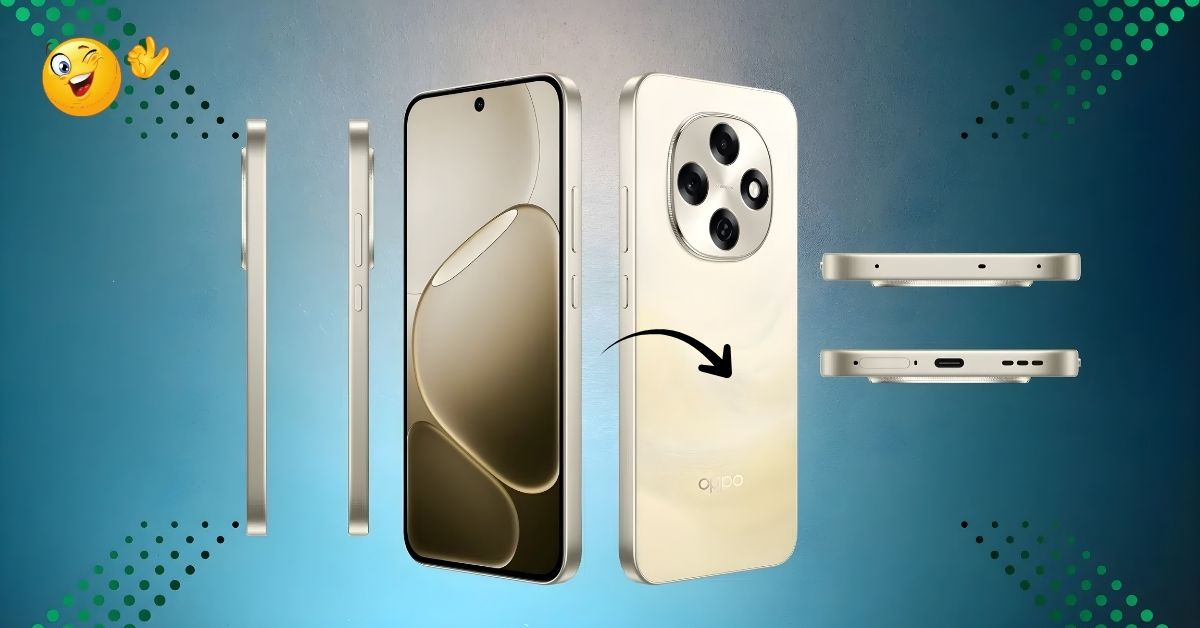
Oppo A59 5G

Oppo A59 5G Full Review: Specs, Camera, Gaming Performance, Battery Backup, Heating Test, Pros & Cons & Price in India

The Oppo A59 5G Full Review starts with a simple but important reality of the Indian smartphone market in 2025. Not every user wants extreme gaming performance or flagship-level cameras. Many buyers are looking for a reliable 5G phone with good battery life, stable performance, clean design and trustworthy brand support. Oppo A59 5G is clearly designed with this audience in mind, offering balanced specifications at an affordable price point.

After extended usage including calls, multimedia consumption, casual gaming, photography and daily multitasking, the Oppo A59 5G proves itself as a dependable device rather than a spec-chasing smartphone. This review focuses on real-life performance rather than marketing numbers.

Design, Build Quality and First Impressions

The Oppo A59 5G carries a clean and minimalistic design that fits well in the budget 5G segment. The rear panel uses a textured matte finish which significantly reduces fingerprints and smudges, making it suitable for everyday use without a cover. The dual-camera module design is simple yet modern, avoiding unnecessary visual clutter.

In hand, the phone feels comfortable and well balanced. Despite having a large battery, the weight distribution is managed well, making long usage periods comfortable. The side-mounted fingerprint scanner embedded in the power button is quick and reliable, adding to everyday convenience. Overall build quality feels sturdy for its price range, and Oppo has maintained its reputation for refined finishing even in entry-level smartphones.

Display Quality and Viewing Experience

Display performance plays a major role in user satisfaction, especially for content consumption. The Oppo A59 5G features a large display with HD+ resolution and decent brightness levels. While it is not an AMOLED panel, the LCD screen performs well for daily use such as watching videos, scrolling social media and reading articles.

Colors appear natural rather than overly saturated, which helps reduce eye strain during long usage sessions. Outdoor visibility is acceptable, and the display remains usable under bright sunlight. The refresh rate is standard, but Oppo’s software optimizations ensure smooth animations and transitions throughout the user interface.

Performance and Day-to-Day Usage

Performance is one of the most important aspects of this Oppo A59 5G Full Review. The smartphone is powered by a capable entry-level 5G chipset that focuses on efficiency and stability rather than raw power. For everyday tasks such as calling, messaging, browsing, video streaming and social media usage, the phone performs smoothly.

Multitasking is handled reasonably well, with apps staying in memory without frequent reloads. While this is not a phone designed for heavy processing tasks, it delivers consistent performance for typical daily usage. Oppo’s optimization ensures that the phone feels responsive even under moderate load, which is essential for long-term usability.

Gaming Performance and BGMI Experience

Gaming on the Oppo A59 5G is clearly targeted at casual users rather than competitive gamers. Popular games like BGMI, Free Fire and Call of Duty Mobile run smoothly on low to medium graphics settings. During testing, BGMI maintained stable frame rates at balanced settings without major frame drops.

Extended gaming sessions do show minor performance limitations, but the phone does not stutter heavily or become uncomfortable to use. Touch response remains accurate, and audio output is loud enough for immersive gameplay. For users who enjoy occasional gaming rather than marathon sessions, the Oppo A59 5G provides a satisfactory experience.

Camera Performance and Real-World Photography

Camera quality is often a deciding factor in this price segment, and the Oppo A59 5G performs reasonably well considering its positioning. The primary rear camera captures decent photos in good lighting conditions, with acceptable detail and natural color reproduction. Images appear clean for social media sharing and everyday photography.

Low-light photography is limited, as expected in this segment, but night mode helps improve brightness and reduce noise to an extent. The secondary camera plays a supporting role, mainly assisting in depth sensing for portrait shots. Portrait photos show decent edge detection with natural background blur.

The front camera delivers satisfactory selfies for video calls and casual social media use. Oppo’s software processing ensures skin tones remain natural without excessive beauty filters, which is a positive point for realistic photography.

Read More: Vivo Y39 5G

Battery Backup and Charging Performance

Battery life is one of the strongest highlights of the Oppo A59 5G Full Review. The phone comes equipped with a large battery that easily lasts a full day of heavy usage and can stretch into two days with moderate usage. This makes it a reliable companion for users who travel frequently or spend long hours away from charging points.

Battery drain is well controlled during standby and overnight periods, reflecting good software optimization. Fast charging support ensures that the phone can be quickly topped up when needed, making daily usage more convenient for busy users.

Heating Test and Thermal Performance

Heating performance is well managed on the Oppo A59 5G. During prolonged usage such as video streaming, navigation or casual gaming, the phone remains cool. During gaming sessions, the device does warm up slightly, but the temperature stays within comfortable limits.

There is no noticeable thermal throttling, and performance remains stable even after extended usage. This makes the phone suitable for users who value reliability and comfort over raw performance benchmarks.

Software Experience and User Interface

The Oppo A59 5G runs on Oppo’s user interface based on the latest Android version available for this segment. The interface is smooth, visually clean and easy to navigate. Animations are optimized for lower-end hardware, ensuring a smooth experience without unnecessary lag.

There are some pre-installed apps, but they do not affect performance significantly and can be disabled. Oppo continues to improve its software stability, and regular updates enhance overall reliability and security.

Pros and Cons Based on Real Usage

In real-world usage, the Oppo A59 5G stands out for its excellent battery life, stable daily performance, comfortable design and trustworthy camera performance for basic photography. However, it is not suitable for heavy gamers or users expecting flagship-level cameras or AMOLED display quality.

Oppo A59 5G Price in India and Final Verdict

The Oppo A59 5G price in India places it squarely in the affordable 5G smartphone category. Considering its reliable performance, long battery life, decent camera quality and Oppo’s after-sales network, the pricing feels justified for its target audience.

In conclusion, this Oppo A59 5G Full Review confirms that the phone is designed for practical users who want a stable, long-lasting 5G smartphone without unnecessary complexity. It is not a phone that aims to impress with numbers but one that delivers consistency, making it a sensible choice for students, working professionals and first-time 5G users in India.

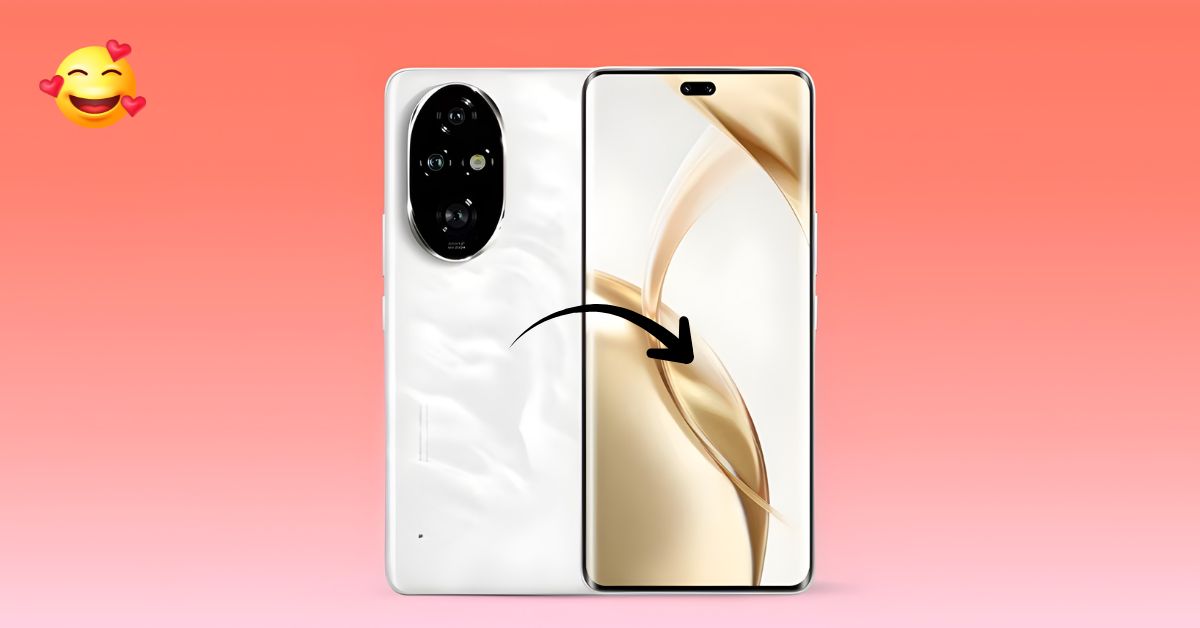
OPPO NORD PREMIUM 5G

Oppo Nord Premium 5G Honest Review: Performance, Camera Quality, BGMI/Gaming Experience, Battery Drain, Heating Issue & Latest Price in India

The Oppo Nord Premium 5G Honest Review begins with an important question that many Indian smartphone buyers are asking in 2025: can Oppo finally deliver a truly balanced premium mid-range smartphone that excels in performance, camera quality, and gaming without major compromises? The Nord branding has always promised a blend of style and substance, and with the Oppo Nord Premium 5G, the company appears determined to redefine its position in a highly competitive segment dominated by performance-focused brands.

After extensively testing the device across real-world scenarios including daily use, gaming, photography, and sustained performance stress, this review aims to provide a clear, unbiased picture of what the Oppo Nord Premium 5G truly offers. This is not a surface-level overview but an in-depth analysis based on actual usage patterns that matter to Indian consumers.

Design and Build Quality Experience

Oppo has always been known for its design excellence, and the Nord Premium 5G carries that legacy forward with a refined and mature aesthetic. The phone features a slim profile with a smooth matte-finish glass back that feels premium in hand while resisting fingerprints better than glossy alternatives. The curved edges make the phone comfortable to hold for extended periods, even during long gaming or browsing sessions.

The camera module blends elegantly into the rear panel rather than appearing bulky or distracting. Overall weight distribution is well balanced, and despite housing powerful internals and a large battery, the phone never feels unwieldy. The frame feels solid, and the phone gives a reassuring sense of durability during everyday use. From a build quality standpoint, Oppo Nord Premium 5G comfortably fits into the premium mid-range category.

Display Quality and Multimedia Experience

The display is one of the strongest highlights in this Oppo Nord Premium 5G Honest Review. The device comes with a large AMOLED display featuring a high refresh rate, making everyday interactions feel fluid and responsive. Scrolling through social media, reading articles, or switching between apps feels smooth, with no noticeable lag.

Color reproduction is vibrant but not oversaturated, which makes the display suitable for both entertainment and professional use. HDR content looks impressive, with deep blacks and excellent contrast levels. Peak brightness is sufficiently high for outdoor visibility, and the display remains legible even under direct sunlight. Whether watching videos, editing photos, or gaming, the screen consistently delivers a premium visual experience.

Read More: Moto G96 5G 

Performance and Day-to-Day Usage

Performance plays a crucial role in determining whether a phone is future-proof, and this is where the Oppo Nord Premium 5G aims to prove its worth. Powered by a capable mid-to-high-end processor paired with ample RAM, the phone handles daily tasks effortlessly. App launches are quick, multitasking feels seamless, and background app management is efficient without aggressive app killing.

During prolonged usage, the phone maintains consistent performance without noticeable slowdowns. Even heavy apps and productivity tasks like document editing, video calls, and navigation run smoothly. The software optimization helps deliver a refined experience, making the phone suitable for both casual users and professionals who rely heavily on their smartphone throughout the day.

BGMI and Gaming Experience Review

Gaming performance is a crucial aspect of this Oppo Nord Premium 5G Honest Review, especially for users who enjoy BGMI and other demanding titles. During testing, BGMI runs smoothly on high graphics settings with stable frame rates for extended sessions. The gameplay experience feels fluid, with minimal stutter or frame drops.

Touch response is accurate, and the high refresh rate display adds to the immersive feel of fast-paced shooters and racing games. The phone does not aggressively throttle performance during longer gaming sessions, which is a positive sign of effective thermal management. Stereo speakers enhance the gaming experience with clear audio output, offering decent depth and spatial separation.

While hardcore competitive gamers may still prefer gaming-centric phones, the Oppo Nord Premium 5G provides a reliable and enjoyable gaming experience for most users without compromising daily usability.

Camera Quality and Real-World Photography Results

Camera performance has always been Oppo’s strong suit, and the Nord Premium 5G continues this tradition. The primary camera captures sharp, detailed images with accurate color reproduction, especially in daylight conditions. Dynamic range is well managed, preserving details in highlights and shadows without excessive processing.

Low-light photography is impressive for a phone in this category. Night mode helps reduce noise while maintaining natural-looking textures, avoiding the overly bright and artificial look seen in some competitors. Portrait shots show good edge detection, with natural background blur and pleasing skin tones.

The ultra-wide camera performs consistently, maintaining color harmony with the primary sensor. The front camera delivers sharp selfies with good facial detail, making it suitable for video calls, social media, and content creation. Video recording quality is stable and smooth, supported by effective stabilization for handheld recording.

Battery Backup and Battery Drain Analysis

Battery performance is another area where the Oppo Nord Premium 5G delivers dependable results. With moderate to heavy usage that includes gaming, video streaming, browsing, and social media, the phone comfortably lasts a full day. Under lighter usage, the battery can extend into the next day, which is reassuring for users who are frequently on the move.

Battery drain during standby is minimal, indicating good software optimization. Screen-on time remains competitive within the segment, and the device does not exhibit abnormal overnight battery loss. Fast charging support ensures quick top-ups, allowing users to get back to full power in a short time without long charging interruptions.

Heating Issue and Thermal Control

Heating is a common concern in performance-oriented smartphones, and this Oppo Nord Premium 5G Honest Review addresses it thoroughly. During extended gaming sessions and stress testing, the phone does warm up slightly, but the heat remains within comfortable limits. More importantly, the heat is evenly distributed, preventing uncomfortable hotspots near the camera or frame.

Even under load, the phone avoids severe thermal throttling, maintaining stable performance. Daily usage such as navigation, photography, and video calls does not cause noticeable temperature spikes. Oppo’s thermal management approach ensures that the phone remains reliable and comfortable across different use cases.

Software Experience and User Interface

The software experience on the Oppo Nord Premium 5G is smooth, visually pleasing, and functional. Animations are refined, system navigation feels intuitive, and customization options are plentiful. The interface balances aesthetics with usability, making it accessible even to users switching from other Android brands.

While there are some pre-installed apps, they do not significantly impact performance and can be managed. Regular security updates and software refinements add to the overall reliability of the device, making it a solid long-term option in the premium mid-range segment.

Oppo Nord Premium 5G Latest Price in India and Verdict

The Oppo Nord Premium 5G price in India places it firmly in the premium mid-range category, targeting users who want a refined smartphone experience rather than raw benchmarking supremacy. Considering its strong display, dependable performance, capable cameras, stable gaming experience, and good battery life, the pricing feels justified.

In conclusion, this Oppo Nord Premium 5G Honest Review finds the device to be a well-rounded smartphone that excels in everyday usability while offering enough performance for gaming and multitasking. It may not be the absolute best in one single category, but it delivers consistency across all areas that matter. For users looking for a premium-feeling 5G phone with strong cameras, reliable gaming performance, and balanced battery life, the Oppo Nord Premium 5G is a worthy choice in the Indian market.

iQOO 15

iQOO 15 Full Review: Specs, Camera, Gaming Performance, Battery Backup, Heating Test, Pros & Cons & Price in India

The iQOO 15 Full Review begins with one clear observation: iQOO has once again positioned itself aggressively in the flagship smartphone segment by delivering top-tier performance, refined hardware, and gamer-focused optimizations at a price that undercuts many premium competitors. In 2025, when smartphone users demand desktop-level performance, console-grade gaming, reliable cameras, and all-day battery life, the iQOO 15 aims to check every major box without leaning excessively on gimmicks.

Having tested multiple iQOO devices over the years, it is evident that the brand understands its core audience extremely well. The iQOO 15 is built for users who prioritize raw power, stable thermals, sustained gaming performance, and fast charging, while still expecting a refined display and competent camera system. This detailed iQOO 15 Full Review covers real-world usage, not just specifications, and evaluates whether this phone truly deserves its flagship killer status in India.

iQOO 15 Design, Build Quality and In-Hand Feel

At first glance, the iQOO 15 presents a mature and premium design language compared to its predecessors. The device features a glass back with a subtle matte finish that resists fingerprints better than glossy panels. The camera module is bold but not excessively protruding, and it integrates well with the rear design. The frame feels solid and reassuring, suggesting excellent internal structural reinforcement.

Despite housing a large battery and advanced cooling system, the iQOO 15 feels well balanced in hand. The weight distribution is even, making long gaming sessions comfortable. Button placement is optimal for landscape gaming, especially the power button and volume rockers, which are easy to reach without accidental presses. The overall build quality reflects flagship-grade manufacturing, and the device gives confidence in everyday durability.

Read More: Samsung Galaxy M53 5G

Display Quality and Visual Experience

The display is one of the strongest elements highlighted in this iQOO 15 Full Review. The smartphone features a large AMOLED panel with a 2K resolution and a 144Hz adaptive refresh rate. In daily usage, the display feels exceptionally smooth, whether scrolling through social media, browsing, or gaming. The adaptive refresh rate intelligently adjusts based on content, which also helps improve battery efficiency.

Color reproduction is rich yet accurate, making the display ideal for both content consumption and photo editing. HDR performance is impressive, with deep blacks and high peak brightness that ensure excellent outdoor visibility under harsh sunlight. For gamers, the high touch sampling rate makes a noticeable difference in fast-paced shooter and battle royale games, delivering precise and responsive input.

Performance and Hardware Capabilities

Performance is where the iQOO 15 truly establishes dominance. Powered by the latest flagship-grade processor built on an advanced fabrication process, the phone delivers outstanding performance across all usage scenarios. Whether running heavy multitasking, editing videos, or playing graphics-intensive games, the device handles everything effortlessly.

In this iQOO 15 Full Review, real-world usage confirms that performance is not just about peak benchmarks but sustained stability. Extended gaming sessions show minimal frame drops, which is a clear indicator of effective thermal management and optimized software tuning. App launch times are instant, background apps remain active without aggressive killing, and the overall user experience remains fluid even under heavy load.

iQOO 15 Gaming Performance Review

Gaming is the core DNA of iQOO, and the iQOO 15 strengthens this legacy further. Titles like BGMI, Call of Duty Mobile, Genshin Impact, and Asphalt run at the highest graphical settings with consistently high frame rates. The phone maintains smooth gameplay even after long gaming sessions, which is something many flagship phones struggle to achieve.

The gaming mode optimizations are well executed, prioritizing CPU and GPU performance while blocking unnecessary background activities. Audio output during gaming is loud and immersive, with stereo speakers providing good spatial separation. Haptic feedback is tight and responsive, enhancing the overall gaming experience. From a serious mobile gamer’s perspective, the iQOO 15 ranks among the best gaming phones currently available in India.

Camera Performance and Image Quality

Camera performance in this iQOO 15 Full Review proves that the phone is no longer just about gaming. The primary camera sensor captures sharp, detailed images with accurate color reproduction. Dynamic range is well controlled, especially in daylight shots, and the camera handles high-contrast scenes confidently without excessive highlights or crushed shadows.

Low-light photography is significantly improved over previous iQOO models. Night mode processing is effective without over-processing the image, preserving natural textures while reducing noise. The ultra-wide camera maintains good color consistency with the main sensor, and distortion is well controlled. Portrait shots show accurate edge detection with pleasing background blur.

The front camera delivers reliable selfies with good skin tone accuracy, making it suitable for video calls and social media usage. Video recording stability is impressive, with effective electronic stabilization that produces steady footage even while walking.

Battery Backup and Charging Speed

Battery life has always been a strong point for iQOO, and the iQOO 15 continues that trend. The phone comfortably lasts a full day with heavy usage that includes gaming, video streaming, navigation, and social media. Under moderate usage, it can even stretch into the second day, which is commendable for a high-performance flagship device.

Fast charging remains one of the biggest advantages of owning an iQOO phone. The charging speed is exceptionally quick, allowing the phone to go from near empty to a substantial charge in a short time. This is particularly useful for gamers and professionals who need rapid top-ups during busy schedules. Thermal management during charging is well controlled, with no alarming temperature spikes.

Heating Test and Thermal Management

One of the most critical aspects of this iQOO 15 Full Review is the heating test. Under sustained gaming and heavy stress conditions, the phone does warm up, but the heat remains within acceptable limits. More importantly, the heat distribution is even, preventing localized hotspots that can make gaming uncomfortable.

The advanced cooling system ensures that performance throttling is minimal even after prolonged usage. Compared to many competing flagship phones, the iQOO 15 manages heat more efficiently, which directly contributes to its consistent gaming performance and long-term reliability.

Software Experience and Updates

The software experience on the iQOO 15 is smooth and responsive, with plenty of customization options for power users. Animations are fluid, system navigation is intuitive, and the phone rarely shows stutters. While there are some pre-installed apps, they do not significantly impact performance and can be managed easily.

iQOO has shown improvement in long-term software support, and the iQOO 15 is expected to receive regular updates and security patches, which enhances its overall value proposition in the flagship segment.

Pros and Cons of iQOO 15

The iQOO 15 stands out for its exceptional performance, industry-leading gaming stability, fast charging, excellent display quality, and improved camera performance. On the downside, users seeking a completely stock Android experience may find the software slightly customized, and the camera system, while strong, may still fall just short of ultra-premium photography-centric flagships.

iQOO 15 Price in India and Verdict

The iQOO 15 price in India places it firmly in the flagship killer category. By offering top-tier hardware, gaming-optimized performance, solid cameras, and fast charging at a competitive price, iQOO continues to attract serious power users and mobile gamers.

In conclusion, this iQOO 15 Full Review clearly establishes the phone as one of the most well-rounded performance flagships of 2025. If your priorities include gaming, sustained performance, fast charging, and a high-quality display, the iQOO 15 is a highly recommended choice in the Indian market.

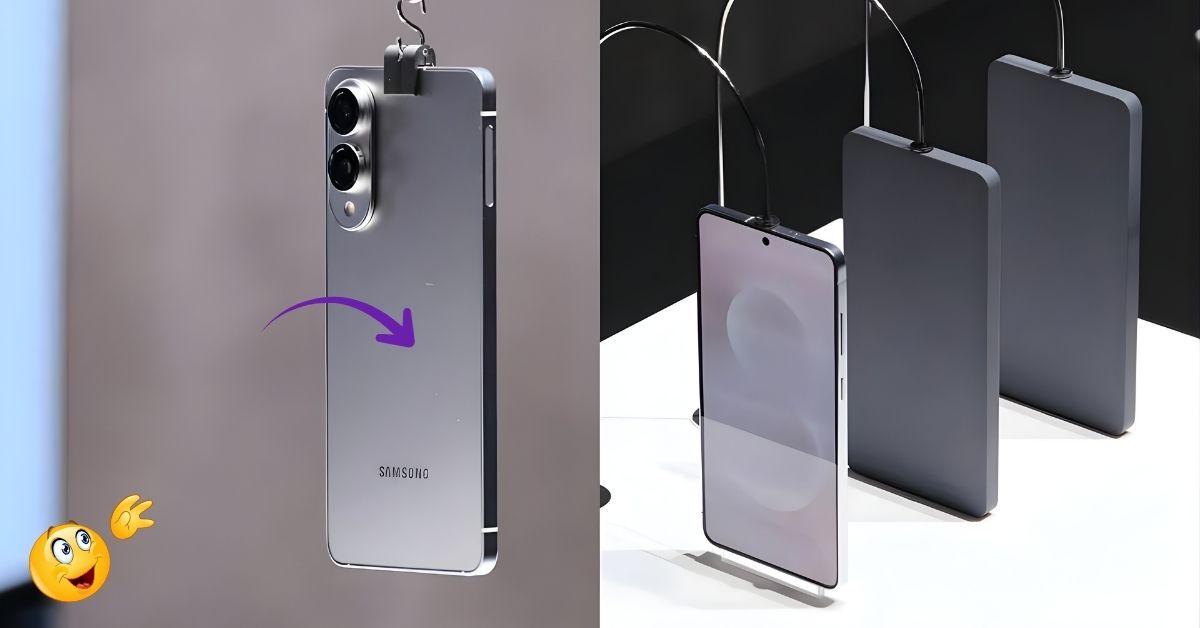
Samsung Galaxy M53 5G

Samsung Galaxy M53 5G Full Review: Specs, Camera, Gaming Performance, Battery Backup, Pros & Cons & Price in India

Samsung Galaxy M53 5G arrives as one of the prominent mid-range 5G smartphones from Samsung’s M-series, aiming to strike a balance between display quality, camera performance, battery endurance and everyday usability. In this article I take an in-depth look at how M53 5G fares across its major aspects — display, hardware, camera, gaming performance, battery life, and real-world practicality — to help you understand whether it truly offers value in 2025’s smartphone market, for users in India or similar regions.

Display and Design

Galaxy M53 5G features a large 6.7-inch Super AMOLED Plus display with full HD+ resolution (1080 × 2400 pixels) and a 120 Hz refresh rate, offering smooth scrolling and fluid animations during UI navigation or content consumption. The screen adopts a punch-hole design and is protected by Corning Gorilla Glass 5, providing a reasonable level of durability against everyday wear and tear. The AMOLED panel delivers vivid colours and acceptable brightness, giving a pleasant experience for streaming videos, browsing social media or reading content, although peak brightness ratings (per some spec sheets) are modest by premium standards. The phone’s body dimensions — roughly 164.7 × 77.0 × 7.4 mm and a weight around 176 g — keep it relatively slim and light for a 6.7-inch device, making it manageable for daily use, though the plastic back and mid-range build materials are noticeable if you are accustomed to glass or metal finishes. The overall design feels modern and in line with mid-range expectations, offering a balanced mix of screen real estate and grip comfort.

Performance and Software Experience

Under the hood, Galaxy M53 5G runs on a MediaTek Dimensity 900 octa-core chipset (6 nm process), with configurations offering 6 GB or 8 GB RAM and 128 GB internal storage (expandable via microSD up to 1 TB, though in hybrid slot). The device ships with Android 12 via Samsung’s One UI 4.1, and standard connectivity features — dual-SIM 5G, Wi-Fi, Bluetooth 5.2, USB Type-C port — are all present. For everyday tasks — browsing, social media, messaging, video streaming, light multitasking — the performance remains smooth and reliable, with no major lag or slowdowns. For moderate workloads, switching between apps, browsing and multitasking feels snappy enough, which suits mainstream users well.

However, because the Dimensity 900 is a mid-range chipset, the phone reveals its limitations under heavier workloads. For resource-intensive tasks, such as extended gaming sessions, high-resolution video editing or heavy multitasking, performance starts to show signs of strain. In some reviews and tests the M53 struggles to match the sustained performance or thermal behavior of higher-end chips, especially under load. Software upgrades historically for mid-range models from Samsung have been modest — while you get basic OS support, long-term update guarantees might not match what flagships or premium-segment phones receive. So users expecting flagship-class fluidity or future-proof performance need to keep these trade-offs in mind.

Read More: Vivo Y39 5G

Camera Performance: Real-World Use vs Expectations

The rear camera setup of Galaxy M53 5G comprises a quad-lens array: a 108 MP primary (wide) sensor (f/1.8), an 8 MP ultra-wide lens (f/2.2), and two 2 MP sensors for macro and depth duty respectively. For selfies and video calls, there is a 32 MP front-facing camera (f/2.2). On paper this configuration promises versatility — wide shots, group photos, some macro work, and selfies — and the high-resolution main sensor gives flexibility for cropping or detailed stills.

In good daylight and favourable lighting, photos from the main 108 MP sensor deliver good detail, decent dynamic range and acceptable colour accuracy for casual photography or social media sharing. Landscape shots with the ultra-wide lens provide broader framing, useful for travel or group photos. Selfies tend to be sharp and usable, especially under adequate lighting. For video, the phone supports up to 4K @ 30fps from the rear camera and 1080p from the front, which is good enough for casual video content, vlogging or social-media clips.

Yet, the real-world experience is more nuanced. In low-light or challenging lighting conditions, results are noticeably weaker: noise, loss of fine detail, muted colors and limited dynamic range become apparent. The tiny 2 MP macro/depth lenses offer limited usefulness — macro shots are often soft, and portrait depth effects are modest at best. While the high-resolution sensor helps daylight shots, it doesn’t substitute for larger sensors and better processing pipelines common in flagship cameras — leading to inconsistent night shots or high dynamic range scenes. Video stabilization and quality during video capture are serviceable but not standout. Therefore, for users expecting studio-quality photos or high-end photography, M53 5G remains a mid-range performer — fine for everyday use, not for professional work.

Gaming Performance and Everyday Use Under Load

Given its mid-range chipset, Galaxy M53 5G is capable enough for casual games and moderate usage but shows limitations under sustained heavy load. For lighter games or casual titles, frame rates are reasonable, and with the 120 Hz display, UI responsiveness aids in smooth gameplay. For everyday usage — browsing, social media, streaming, messaging — the device handles operations reliably and fluidly.

However, when it comes to heavier, graphics-intensive games, or long gaming sessions, the Dimensity 900 coupled with mid-range GPU (Mali-G68) and modest thermal dissipating design can struggle. Reports from reviewers indicate that frame drops, occasional stutters, and heating can surface after prolonged play or high GPU load. For power users or mobile gaming enthusiasts who expect sustained high frame rates, this phone will fall short compared to phones with more powerful chips. Similarly, productivity tasks like heavy editing or multitasking multiple resource-hungry apps will push M53 5G toward its performance limits. For typical day-to-day usage or occasional light gaming, though, the phone remains satisfactory.

Battery Life and Charging Behaviour

M53 5G houses a 5000 mAh battery — a fairly standard but reliable capacity for a mid-range 5G phone. In real-world usage conditions (social media browsing, video streaming, calls, occasional gaming or browsing) the battery comfortably lasts a full day. In many usage patterns, you may get 6–9 hours of screen-on-time, depending on settings and usage intensity, which is adequate for most users. The phone supports 25W fast charging via USB-C, but it is important to note that Samsung does not include a charging adapter in the box; users need to procure a compatible charger separately. With a suitable 25 W charger, the device charges relatively quickly — though not as fast as flagship-class phones with 65 W or above. This charging setup, combined with decent battery life, suits users who need all-day endurance without frequent top-ups.

Pros & Cons: Balanced Assessment in 2025 Context

Galaxy M53 5G brings several strengths to the mid-range table: its large Super AMOLED 120 Hz display provides a smooth, vibrant visual experience; camera hardware offers flexibility and acceptable daylight photos; battery life and charging deliver reliable daily endurance; and for basic to moderate tasks, performance remains fluid and dependable. For someone seeking a balanced daily driver — calls, streaming, browsing, social media, casual photos — the M53 presents a reasonable all-rounder.

On the downside, however, the phone shows its mid-range DNA under pressure. Gaming performance and heavy workloads can result in stutters and heating, the camera struggles in low light, and additional lenses (macro/depth) add little value in practical use. Absence of bundled charger, lack of premium features like water/dust resistance or flagship-level build materials, and only modest long-term software upgrade prospects limit its appeal for power users. In video, stabilization and high-quality capture are serviceable but not extraordinary. For users with higher expectations from camera output, gaming, or heavy productivity, these compromises may become limiting.

Price in India and Value Proposition (As of Late 2025)

As per latest listings, Galaxy M53 5G (6 GB RAM + 128 GB storage) can be found around ₹19,990 to ₹20,999, and the 8 GB + 128 GB variant sometimes retails higher depending on colour variant and retailer. This positions M53 5G comfortably in the upper-mid range price bracket, offering features (like 120 Hz AMOLED display, 108 MP quad camera, 5G connectivity, expandable storage, reasonable battery) that roughly match what one expects at this price point in late 2025. Considering how the phone balances multiple everyday-relevant aspects — display, camera, battery, 5G readiness — it represents a good value-for-money choice for users who prioritise balanced real-world performance over cutting-edge specs. For those seeking a dependable smartphone without spending flagship-money, M53 5G remains a pragmatic option.

Who Should Buy Galaxy M53 5G — And Who Should Look Elsewhere

If you are a user whose priorities include reliable daily performance, good (but not flagship-class) camera output for daylight/social media use, smooth display experience for video or browsing, stable battery life, and 5G connectivity — Galaxy M53 5G works well as a practical, balanced smartphone. Students, working professionals, travellers, or general users looking for a “do-everything” phone without high-end premium cost may find it satisfies most needs.

On the other hand, if your priority is heavy gaming, professional photography or video work, longest-term software support, or premium-level build and features (IP rating, wireless charging, fastest storage, highest-performance CPU/GPU), then M53 5G may feel limiting. In those cases, a higher-tier phone — either from Samsung’s flagship or upper-mid range with stronger chipsets — would serve you better in the long run.

Conclusion

Samsung Galaxy M53 5G stands out as a capable mid-range 5G smartphone that balances display quality, camera versatility, battery endurance and everyday performance at a reasonable price. It does not claim to compete with flagships — and in areas like heavy gaming, low-light photography or professional workloads you will notice limitations — but for typical daily usage, social media, content consumption, casual photography and moderate gaming, it delivers a dependable experience. For users seeking value-for-money, well-rounded and practical smartphones in 2025, M53 5G remains a strong contender in its segment.

Vivo Y39 5G

Vivo Y39 5G Detailed Review: Full Specifications, Camera Test, Gaming, Battery Life, Heating Issue & Current Price

Vivo Y39 5G enters the Indian smartphone market as a budget-friendly, feature-rich 5G device, aiming to deliver strong battery life, basic 5G performance and a large display at an accessible price point. In this review, I cover every aspect — from display, design and build quality to camera performance, gaming experience, battery endurance, possible heating issues, and whether the current price makes it a worthwhile buy for everyday users. I try to approach this as a practical, real-world user where typical daily tasks, media consumption, casual gaming and photography all matter.

Display and Design

The Vivo Y39 5G features a 6.68-inch LCD panel with a 120 Hz refresh rate. The resolution is 1608 × 720 (HD+), which is modest by modern standards, but the 120 Hz refresh brings smoothness in scrolling, UI animations and general navigation. The screen supports high-brightness mode (peak brightness around 1000 nits), making it usable under brighter conditions — though in direct harsh sunlight expect the low HD resolution to limit clarity compared to Full HD or better displays. The colour reproduction and contrast are acceptable for the class, suitable for streaming, browsing and casual video consumption, but you shouldn’t expect deep blacks or top-tier colour accuracy like an AMOLED or high-end IPS panel.

Hardware and Performance (Processor, OS, Connectivity)

In terms of build and design, the phone is relatively slim and comfortable for its large battery and screen size. It carries a metallic-frame styling with a glossy finish at back and a glazed ceramic-like camera ring for visual appeal. The weight is modest, helping in everyday handling. The device offers dual-SIM 5G support, USB-C port, side-mounted fingerprint sensor, and comes with durability features including a dust/water resistance rating (IP64) and a build that — per the manufacturer — clears military-grade shock resistance standards.

In typical everyday usage — calls, messaging, browsing, social media, video streaming — the performance is smooth and reliable. For light to moderate multitasking, the device handles the load satisfactorily. However, when pressure increases — many background apps, heavier tasks, or prolonged gaming — the hardware starts to show its limitations. The lower-end SoC and UFS 2.2 storage mean tasks like large file transfers, video editing or high-graphics gaming will feel sluggish and sometimes stutter. For casual use, though, the balance of chipset, RAM and storage is acceptable for the price segment.

Camera Performance: What to Expect in Real Use

In good daylight and well-lit conditions, the main 50 MP sensor captures acceptable photos. Images tend to have reasonable detail and decent color reproduction for social-media use. Portrait shots with depth effect are functional — though the secondary 2 MP depth sensor lacks sophistication, so edge detection and background blur are modest. Selfies with the 8 MP front camera are passable for casual video calls or social posting, but nothing to rely on if you expect crisp, high-resolution front shots.

Under low light or challenging lighting conditions, the limitations become apparent. The sensor struggles with noise and detail preservation; colors may appear muted or skin tones uneven; and dynamic range is limited. Videos recorded via the camera are capped at 1080p@30fps — fine for casual content but inadequate for anyone trying to shoot high-quality clips, especially in low light. Overall, the camera setup remains “good enough” for budget-segment expectations, but not a substitute for a mid- or flagship-level camera performance if photography or video content creation is priority.

Read More: Redmi 14 Pro+ Ultra 

Battery Life and Charging

The phone supports 44W fast charging over USB-C, which helps in bringing a drained battery back to usable levels in a reasonable time. Charging times aren’t “flagship-fast,” but acceptable for mid-range devices in this class. Vivo also markets the battery with a “5-year long-term health” claim, indicating the battery’s capacity retention over extended use under normal charging cycles — a reassuring point for buyers thinking long-term.

Given the large battery and reasonable charging speed, this phone serves well for heavy users, binge-watchers, frequent travellers, students or professionals needing long standby and usage time without constant charging breaks.

Camera Performance: What to Expect in Real Use

That said, for heavier games with high graphics demands (3D shooters, intensive processing, sustained high frame-rates), the limitations of Snapdragon 4 Gen 2 and UFS 2.2 storage become visible. Stutters, slowdown or frame drops can occur, especially if heating builds up after longer sessions. For tasks like video editing, large app switching, or heavy multitasking — performance remains acceptable but not smooth compared to higher-end devices. In daily use or light multitasking, the balance is fair; but if you demand high performance consistently, this device may show its middle-segment nature.

Heating Issues and Real-World Caveats

Some reviewers and users have pointed to performance and display quality issues for the price — notably that the low HD+ resolution limits display sharpness at times, and the LCD panel isn’t as vibrant as AMOLED alternatives. The camera and software experience too get critiques for being just average despite the 50 MP sensor. For performance-heavy tasks, slowdown is realistic.

As for heating — the manufacturer includes a “large cooling area” design; in day-to-day mixed usage, heating rarely becomes a concern. However, under extended gaming or prolonged screen-on workloads, the device may warm up, reflecting its mid-range chipset constraints. Users expecting flagship-level thermal handling should temper expectations. Given the hardware and price point, such trade-offs are understandable — the phone aims for mass-market practicality rather than premium performance.

Price and Value Proposition in 2025

At launch in India (March 2025), the Vivo Y39 5G price for 8 GB + 128 GB variant was ₹16,999, while the 8 GB + 256 GB variant was ₹18,999. By late 2025, depending on offers and retailers, street prices sometimes dip lower (occasionally around ₹15,999), making it among the most affordable 5G phones with large battery and modern features. Considering what you get — 5G support, 120 Hz display, massive 6,500 mAh battery, dual rear sensor (50 MP main), Android 15 out of the box, and a build with dust/water resistance and durability certification — the value for money appears strong for budget-conscious buyers or first-time smartphone users.

However, because of compromises such as HD+ display resolution, mid-range chipset performance, average camera quality, and only basic rear camera setup, this phone suits users whose priorities are battery, basic 5G connectivity, smooth UI, and typical daily tasks — not professional photography or heavy gaming. In that domain, the price-to-feature ratio is justifiable and possibly among the better options under ₹20,000 in India circa 2025.

Price and Value Proposition in 2025

Vivo Y39 5G is suitable if you are a user seeking a balanced, affordable 5G device primarily for daily tasks: calls, social media, browsing, video streaming, long battery life, and occasional games or light photography. Students, frequent travellers, working professionals needing long battery endurance and budget-conscious buyers will appreciate its strengths. The huge battery, simple OS, modern connectivity and decent display refresh rate make it a pragmatic everyday smartphone.

On the other hand, if you prioritize high-quality photography (especially low-light), premium display quality (AMOLED, high resolution), heavy gaming, video editing, or sustained high performance — you might outgrow this device quickly. Such users may benefit from waiting for a higher-end model or alternate phones with stronger chipset, better camera sensors and premium display.

Conclusion


Vivo Y39 5G provides a credible, well-rounded smartphone experience in the budget to lower mid-range segment of 2025. It does not try to compete with flagships on camera prowess or processing muscle; rather it focuses on delivering strong battery life, adequate 5G readiness, a smooth-enough display, and reliable everyday performance. For users prioritizing value-for-money, long battery endurance and essential modern smartphone features without overspending, this phone represents a sensible, practical option. As long as expectations remain aligned with its segment — not flagship-class — Vivo Y39 5G offers a reasonable blend of features for its price, making it a dependable “daily driver” smartphone for many in India.

Redmi 14 Pro+ Ultra

Redmi 14 Pro+ Ultra Detailed Review: Specs, Camera, Display, Gaming, Battery & Price Explained

Redmi 14 Pro+ arrives as a formidable contender in the upper mid-range smartphone segment offering a mix of compelling features, all-round performance and value for money. In this review I explore in depth how this device performs across different parameters—display, hardware, cameras, battery, everyday use, and pricing—to help you understand whether it truly lives up to its promise.

Display and Design Excellence of Redmi 14 Pro+

The Redmi 14 Pro+ is built around a 6.67-inch 1.5K AMOLED curved display that reproduces sharp, vibrant visuals with a resolution near 1,220×2,712 pixels and up to 120 Hz refresh rate. The screen’s highlight is its brightness which reaches up to 3000 nits, ensuring strong outdoor visibility even under direct sunlight. Support for Adaptive HDR10+ and Dolby Vision adds cinematic contrast and colour depth — noticeable when you watch HDR content or stream high-quality videos. The display also incorporates high touch sampling rates (up to 2560 Hz) and high-frequency PWM dimming (1920 Hz), which helps in smooth touch response and comfortable screen time during prolonged use. On the protection front, the front is covered with Corning Gorilla Glass Victus 2 while the rear has Gorilla Glass 7i, balancing premium feel with durability.

In terms of design, Redmi has managed to balance size and ergonomics. Measuring 162.53 × 74.67 × 8.66 mm and weighing roughly 210.8 grams, the device feels substantial yet manageable for two-handed use. The build quality gives confidence that the phone can handle regular wear and tear — a key expectation at this price point.

Performance and Hardware: Balanced, Efficient, Future-Ready

Under the hood, Redmi 14 Pro+ packs a Qualcomm Snapdragon 7s Gen 3 chipset built on a 4 nm fabrication process, paired with up to 12 GB RAM and up to 512 GB internal storage (UFS 2.2). This hardware combination delivers reliable everyday performance for a wide range of tasks — from app switching and multitasking to media consumption and gaming. The 4 nm chipset brings efficiency and supports modern features, which helps in sustaining battery life and providing snappy responsiveness.

Software-wise the phone ships with Android 14 layered with Xiaomi’s HyperOS. The interface feels fluid and optimized for this hardware, with support for modern connectivity standards: dual-SIM 5G, Wi-Fi 6, Bluetooth 5.4, NFC, and full multi-satellite GPS support (Galileo, GLONASS, Beidou), ensuring future-proof networking and location capabilities. In-display fingerprint sensor, stereo speakers with Dolby Atmos, and USB Type-C connectivity round off a complete hardware package — offering everything a contemporary user expects.

Thermal management also gets attention: the internal design includes a vapor-chamber cooling solution to manage heat during longer gaming or heavy usage sessions. For many users this balance of performance, storage and connectivity makes the device capable enough for daily and power usage without veering into bulky flagship prices.

Read More: vivo V29 5G

Camera System: Versatile and Competitive with Real-World Strengths and Limits

Redmi 14 Pro+ comes with a triple rear camera setup headlined by a 50 MP Light Hunter 800 primary sensor (approx. 1/1.55-inch) with Optical Image Stabilization (HyperOIS). Accompanying this are an 8 MP ultra-wide lens and a 50 MP telephoto lens providing 2.5× optical zoom. On the front there is a 20 MP sensor for selfies and video calling.

In real-world daylight conditions, this combination delivers crisp, detailed images with good dynamic range and excellent colour rendering. The ultra-wide lens covers landscapes or group photos nicely, while the telephoto lens offers flexibility for portrait framing or candid shots without relying on digital zoom. The OIS helps in handheld shots — especially useful for low-light photos or videos, reducing shakes and improving clarity.

Video recording is serviceable, especially for everyday content and social-media videos; the prime sensor provides stability and decent detail. For casual creators or users who just want good-looking social media shots without carrying a DSLR, the phone strikes a compelling balance.

That said, it is important to be realistic. Under low-light settings or demanding photography scenarios, results may not compete with flagship-class phones with larger sensors, superior image processing or periscope zooms. While the optics and software deliver very good output in ideal conditions, expecting top-tier flagship quality — especially in challenging lighting or high dynamic range scenes — might lead to underwhelming results. The UFS 2.2 storage also places some limits on very heavy photo or video editing workflows compared to devices with UFS 3.x storage.

Battery Capacity and Charging: Best-in-Segment Endurance

One of the strongest pillars of Redmi 14 Pro+ is its large 6,200 mAh battery. In everyday usage scenarios — social media, streaming, browsing, calls, light gaming — this cell comfortably delivers more than a full day of use. For heavy users, travellers or those who consume a lot of multimedia content, this large cell offers real peace of mind.

Complementing the battery is 90 W fast charging support which allows a rapid top-up when needed. This means even if you run low after a long day, plugging in for a short time gives enough juice to push through further hours. Thermal management and efficient chipset help ensure that long usage doesn’t translate into overheating or battery drain problems. For users migrating from mid-range phones, this battery life and charging combo can feel like a major leak of freedom — especially for those constantly on the go.

Real-World Use: Multimedia, Gaming, Productivity, Travel — A Balanced Performer

Putting all core components together, Redmi 14 Pro+ offers a user experience that fits a broad spectrum of real-world demands. For media consumption — streaming movies, watching HDR content or browsing photos — the bright AMOLED display combined with Dolby Vision and Dolby Atmos stereo speakers delivers a noticeably premium feel. Outdoors brightness ensures that daylight reading or video watching remains comfortable.

For gaming and multitasking, the Snapdragon 7s Gen 3 strikes a balance: more than capable of handling popular games smoothly with decent frame rates and thermal stability. The generous RAM and storage make switching between apps, editing photos or light video clips, or using multiple apps concurrently fluid.

For photographers and casual content creators, the flexible triple-camera system provides good tools for day-to-day photography or social media content — without carrying a separate camera. For frequent travellers or heavy users, the massive battery plus fast charging become a practical advantage. This phone could serve as a “daily driver” — capable of satisfying needs ranging from productivity and media to social content creation — without demanding an overnight charger or frequent charging interruptions.

Price and Value for Money in 2025 Context

As of December 2025, in India the Redmi 14 Pro+ is often listed around ₹29,999 for the base 8 GB + 128 GB configuration. The 8 GB + 256 GB and 12 GB + 512 GB variants are often priced higher depending on market and offers. This positioning places it squarely in the upper-mid range segment rather than flagship price territory. Considering what you get — a bright 1.5K AMOLED 120 Hz display, large battery with 90 W charging, competent triple cameras, IP68 dust/water resistance, Gorilla Glass protection, modern connectivity — the value proposition is strong.

For buyers who want a device that delivers flexibility and balanced performance for everyday tasks, entertainment, photography and moderate gaming, this price-to-performance ratio represents a sweet spot. It challenges many older “flagship-class” prices by offering a well-rounded package without forcing compromises on essentials.

Limitations: Where Redmi 14 Pro+ Falls Short of Flagship Expectations

Despite its strengths, Redmi 14 Pro+ does not claim to be a true flagship. For users expecting flagship-level raw processing power — for sustained 3D rendering, very heavy video editing or intensive professional workloads — the Snapdragon 7s Gen 3 may hold it back compared with leading flagship chips. Storage being UFS 2.2 limits speed compared to UFS 3.x, which may be felt when transferring large files or editing high-resolution video.

Camera performance, while very good for everyday conditions, may disappoint users used to high-end smartphone cameras with larger sensors and advanced processing — especially under low light or complex lighting scenarios. Also, telephoto zoom is limited to just 2.5× optical, which may not satisfy users seeking long-range shots or periscope-style zoom capabilities. For users who need top-tier sensor performance or professional-level photo/video output — this device is more “flagship-lite” than “flagship-killer.”

Verdict: Who Should Buy Redmi 14 Pro+ and Who Might Look Elsewhere

If you are looking for a phone that can capably juggle multiple roles — streaming movies, gaming moderately, capturing decent photos, traveling with long battery life, multitasking apps, and day-to-day productivity — Redmi 14 Pro+ offers a compelling balanced package. It stands out as a sensible all-rounder in 2025’s competitive smartphone market, delivering features that matter to many users without crossing into flagship price bracket.

For students, working professionals, travellers, casual content creators, or anyone wanting a long-lasting phone for wide-ranging tasks — this device is a strong candidate.

However, if your priorities lean heavily toward professional-grade photography or video editing, high-end gaming, or you require flagship-class raw performance with fastest storage and camera systems — you might outgrow this device. In such cases, a dedicated flagship-class phone may better meet those specialized demands.

Conclusion

Redmi 14 Pro+ emerges as one of the most balanced upper-midrange smartphones available in 2025. By combining a bright, capable AMOLED display with modern chipset, generous battery, versatile cameras, robust build quality and comprehensive connectivity, it offers a package that meets the needs of a broad spectrum of users. It doesn’t aim to beat flagships at their strengths, but rather delivers what most users practically need for daily life — and does so with impressive value.

For anyone seeking a “do-everything” smartphone — competent in communication, media, content, photography, travel or gaming without breaking the bank — Redmi 14 Pro+ represents a smart, practical choice in its segment.

vivo V29 5G

vivo V29 5G Price in India 2025: Latest Price, Full Specifications and Best Offers

vivo V29 5G continues to be one of the most relevant mid-premium smartphones in India even in 2025 due to its strong blend of design precision, impactful camera performance and balanced hardware efficiency. Since its initial launch, the phone has seen several price revisions, making it an attractive option for buyers who want a premium experience without crossing into flagship territory. The smartphone market in 2025 has become extremely competitive, and vivo V29 5G still stands firm as a reliable choice for users who value display quality, photography, long-term software stability and refined aesthetic appeal. Understanding its latest price, its overall specifications and the best offers available helps buyers decide if it continues to be a worthy purchase in the current year.

Latest Price of vivo V29 5G in India 2025

In 2025, the vivo V29 5G is priced competitively, especially considering how the premium mid-range segment has evolved. The 8 GB RAM and 128 GB storage variant generally sells around ₹30,990, while the higher 12 GB RAM and 256 GB storage option is available at approximately ₹33,999. This pricing reflects the gradual reduction in cost from its launch period, making the device accessible to a broader audience. During major e-commerce sales and bank-led promotions, the effective purchase price often dips even lower, which positions the vivo V29 5G as one of the most value-oriented phones within the 30,000 to 35,000 rupee bracket.

Design and Build Quality Experience

The design philosophy of the vivo V29 5G reflects a premium identity that aligns closely with vivo’s higher-end offerings. The curved glass front and streamlined frame give it a refined personality, and its lightweight construction enhances comfort during extended use. What makes the V29 5G particularly appealing is the way vivo has merged elegance with practicality. The phone feels slim in hand, sits comfortably during one-handed use and offers a visual appeal that stands apart from many rivals in the same segment. The rear panel design, drawing inspiration from the brand’s consistent focus on style, gives the device a contemporary yet timeless look.

Display Quality and Visual Performance

The vivo V29 5G features a 6.78-inch AMOLED display with 1.5K resolution, which greatly enhances clarity, sharpness and overall immersion. Whether used for reading, streaming or gaming, the display delivers excellent color reproduction, deep blacks and impressive contrast. The 120 Hz refresh rate ensures smooth transitions across apps, giving the device a responsive and fluid feel throughout daily tasks. The panel’s brightness levels allow the phone to remain easily readable in outdoor environments, while HDR support improves viewing experiences for OTT content, making the vivo V29 5G a strong multimedia performer.

Performance and Hardware Capabilities

Powering the vivo V29 5G is the Qualcomm Snapdragon 778G processor, a proven mid-range chipset known for its efficiency, stability and reliable performance across multiple years. Although not positioned as the fastest chipset in 2025, the Snapdragon 778G remains capable of handling multitasking, social media usage, streaming, productivity applications and even moderate gaming with ease. The RAM options, ranging from 8 GB to 12 GB, ensure smooth app management, and vivo’s software optimization enhances long-term performance stability. The phone’s internal storage configurations of 128 GB and 256 GB offer sufficient space for most users, especially when combined with cloud storage options.

Camera Details and Photography Experience

The vivo V29 5G continues vivo’s strong reputation for camera performance, making it particularly appealing for users who enjoy mobile photography. The rear camera setup is centered around a 50 MP primary sensor that captures sharp, well-balanced images with accurate color science. It excels in daylight photography and performs reliably in indoor or low-light scenarios using vivo’s enhanced night algorithms. The accompanying secondary sensors provide creative flexibility depending on the scene, while the software’s portrait and beauty modes are refined to offer natural-looking results.

The front of the device houses a 50 MP selfie camera, making it one of the most powerful selfie systems in its class. This helps deliver crisp images, refined textures and excellent dynamic range for social media creators, vloggers or users who regularly participate in video calls. The video capabilities are equally dependable, producing stable and detailed footage suitable for casual content production.

Read More: Moto G96 5G

Battery Backup and Charging Efficiency

The vivo V29 5G houses a 4600 mAh battery designed to comfortably sustain a full day of normal to moderate usage. Its battery optimization ensures efficient power management across apps and connectivity modes. One of its biggest strengths is fast charging support, powered by vivo’s 80W FlashCharge system. This allows the phone to recharge significantly faster than many other competitors in the same price range. Daily users benefit from quick top-ups, ensuring minimal downtime and consistent readiness throughout the day, whether for work meetings, travel or media consumption.

Connectivity Features and Software Experience

vivo V29 5G supports a full range of 5G bands, ensuring strong network performance across multiple telecom operators in India. With dual SIM support, enhanced Wi-Fi capabilities, Bluetooth connectivity and essential sensors integrated seamlessly, the user experience is smooth and dependable. The device runs on vivo’s FunTouch OS layer, based on Android, offering a clean and fluid interface. The UI is designed for ease of use, quick navigation and minimal clutter. Software improvements continue to refine animations, transitions and multitasking workflows, making the system consistent even after prolonged usage.

Best Offers and Buying Recommendations in 2025

The best time to buy the vivo V29 5G in 2025 is during key shopping events, seasonal sales or bank-driven discount periods. These promotional windows often reduce the effective price by a meaningful margin, especially when combined with exchange deals or cashback offers. For users seeking a balanced smartphone at a price that now feels more justified due to market adjustments, the vivo V29 5G offers a compelling package. It fits the needs of students, professionals, content creators and general users alike, offering strong design aesthetics, excellent display quality, reliable camera output and consistent performance.

Final Expert Verdict on vivo V29 5G

vivo V29 5G remains one of the most thoughtfully designed smartphones in its segment in 2025. While newer models may offer incremental upgrades, the V29 5G retains its value due to its premium display, strong camera system, elegant design and dependable performance profile. It is a phone that feels polished and complete, making it an excellent choice for anyone who prioritizes usability, aesthetics and long-term reliability. For buyers under the ₹35,000 bracket, vivo V29 5G remains one of the most sensible and rewarding options available.

Redmi 88 Ultra 5G

Redmi 88 Ultra 5G Price in India (Expected), Full Specs and Early Booking Details

Redmi 88 Ultra 5G is emerging in online chatter and tech rumor mill predictions as a potential new addition to Xiaomi’s Redmi lineup for 2025. A string of unverified leaks hint that the phone — if it becomes real — could push the envelope of mid-range smartphone capabilities by combining high-resolution imaging, expansive battery capacity, modern design, powerful performance and broad connectivity such as 5G support. Unlike officially announced phones, the information available so far on the Redmi 88 Ultra 5G is based on unofficial reports, speculative pages and early previews. That means buyers should treat all details as tentative and evolving. For those following Redmi’s product cadence, understanding these rumors can still provide a useful glimpse of what might be ahead.

Expected Launch Timeline and India Availability

Redmi typically announces new premium mid-range “Ultra” branded models in conjunction with global or China launches during major tech events or product cycles in late 2025 or early 2026. Current rumor cycles for the “Redmi 88 Ultra 5G” suggest that if Xiaomi chooses to develop and launch such a model it would likely be teased first internationally before an India launch, following patterns seen with other Redmi and Note series devices. India market timing often lags slightly behind China/global announcements, to allow for localization, testing and regulatory approvals. At present there is no official launch date or confirmation from Xiaomi India regarding an imminent release of any phone branded as Redmi 88 Ultra 5G.

Expected Price in India

Unverified sources and rumor pages project that the Redmi 88 Ultra 5G — if it launches — would aim at the upper mid-range price segment in India. Rumored estimates place the effective price somewhere in the region of ₹25,000 to ₹35,000, depending on the variant and storage options. This positioning makes sense for a device that is being described by internet leaks as having flagship-inspired hardware but targeting a slightly more affordable tier than true flagship phones. Pricing for any unconfirmed model can shift significantly at launch due to tax structures, import costs and Xiaomi’s own pricing strategy.

Rumored Design and Build

Early mentions of the Redmi 88 Ultra 5G describe a modern aesthetic with a large display panel and slim bezels to maximise screen area. The design language reportedly aims for a premium but understated appeal, possibly using a matte or brushed finish on the rear panel, with camera modules that align with Redmi’s existing visual themes. The overall build quality is anticipated to favour durability while remaining comfortable to hold, blending practicality with contemporary style. As with all unverified rumors, this is speculative and subject to change once more credible leaks or official announcements appear.

Display Specifications (Rumored)

According to online leaks, one of the key areas of improvement for the Redmi 88 Ultra 5G would be its display. Rumored details suggest a high-resolution AMOLED or 2K AMOLED panel with vibrant colours and high peak brightness, aimed at enhancing media viewing, gaming and day-to-day smartphone interaction. Some rumor sources go further to suggest an adaptive refresh rate — possibly 120 Hz or higher — which would align with trends in mid-range and premium devices in 2025. A large display size above 6.7 inches is also suggested, which would place it firmly in the “big screen” category, ideal for entertainment and productivity.

Camera Capabilities (Rumored)

Perhaps the most attention-grabbing rumors about the Redmi 88 Ultra 5G centre on its camera system. Several online rumor pages claim that the phone could feature an exceptionally high-resolution main camera sensor in the order of 200 MP or even 210 MP, supported by AI imaging capabilities designed to enhance low light performance, dynamic range and colour accuracy. Such claims are echoed in multiple sources discussing similar devices like “Redmi Note 88 Ultra 5G,” which focus heavily on camera performance and battery capacity. These descriptions paint a picture of a phone targeted at mobile creators, photographers and content-hungry users, though it’s worth emphasizing these details are not officially confirmed.

These AI imaging claims tie into broader trends in the smartphone industry where brands use computational photography and high megapixel counts to differentiate devices at this price tier. However, without an official confirmation from Xiaomi or Redmi itself, these details remain speculative.

Performance Expectations

Rumors also speculate that the Redmi 88 Ultra 5G will come equipped with a modern mid-to-high tier chipset, possibly from Qualcomm’s Snapdragon lineup or a powerful MediaTek alternative, geared toward strong everyday performance as well as gaming. A plausible configuration would include multiple RAM options starting around 8 GB, scalable up to 12 GB or more, paired with spacious storage. A large memory configuration would support smoother multitasking and better longevity for resource-intensive apps. Modern HyperOS-based software optimizations would likely enhance this performance further, creating a responsive and fluid user experience.

Read More: Moto g96 5g

Battery Life and Charging

Another area often highlighted in rumors is battery performance. Leaks suggest a massive battery capacity — possibly 7000 mAh or even higher — which, paired with intelligent power management, could deliver all-day or even multiple-day usage under typical workloads. Charging support rumors vary widely, with some sources hinting at fast charging support well above 100 W, while others suggest a more standard but still capable fast charging configuration. Large battery capacity has become a significant factor for many users, especially in regions like India where heavy daily usage is common.

Connectivity, Software and Features

Connectivity in the Redmi 88 Ultra 5G — as implied by its name — would centre on 5G support across multiple bands, ensuring future-proof mobile data performance as networks continue expanding in India and other markets. Additional connectivity features are expected to include dual SIM support, Wi-Fi 6 or higher, Bluetooth, GPS and standard sensors such as an in-display fingerprint scanner. The software stack would likely be based on Xiaomi’s HyperOS with MIUI customisations, delivering a feature-rich and secure environment with ongoing updates if the model is officially released.

Early Booking and Launch Offers (Expected)

If Redmi were to officially launch the 88 Ultra 5G in India, the company would likely follow its established pattern of opening early bookings or pre-orders shortly after the launch announcement. These booking windows typically include benefits such as bank discounts, exchange offers, no-cost EMI options and bundled accessories. During festival periods or seasonal sales events such as Diwali, Republic Day or year-end promotions, additional discounts could make the effective buying price even more attractive.

Should Buyers Wait for Redmi 88 Ultra 5G?

For buyers carefully tracking smartphone releases, the idea of a device like the Redmi 88 Ultra 5G is certainly intriguing thanks to its rumored high-end imaging capabilities, large battery and 5G support. However, given the lack of official confirmation or credible leaks from recognised sources, potential buyers should exercise caution. Samsung, realme, Motorola and other Xiaomi sub-brands are actively launching well-documented phones across various price segments in 2025, and many devices in the same category have verified specifications and pricing.

Until Xiaomi or Redmi make an official announcement, information about the 88 Ultra 5G remains substance-poor rumor material. For users who value certainty, waiting for official announcements or focusing on confirmed models with known pricing and specs may be a safer strategy.

Final Thoughts on Redmi 88 Ultra 5G Rumors

The narrative around a hypothetical Redmi 88 Ultra 5G reflects ongoing consumer excitement for innovative mid-range devices that combine performance, camera prowess and longevity. The combination of high megapixel camera rumors, expansive battery details and 5G support fits within broader industry expectations from Xiaomi’s Redmi brand. However, until verified specifications and an official launch are confirmed, all such information should be treated as speculative. Xiaomi’s official product roadmap — if it includes this model — will likely appear through formal press releases or recognised tech publication confirmations.

moto g96

Moto G96 5G Leaks and Rumors: Expected Launch Date, Price and Specifications

Moto G96 5G has quickly become one of the most anticipated upcoming mid-range smartphones in India for 2025, especially among buyers who want a powerful device under a practical budget. Motorola has built a strong reputation for offering clean software, dependable battery life, premium displays and reliable performance across its G-series. With the Moto G96 5G, the company aims to push mid-range boundaries by introducing flagship-grade design elements and modern hardware features at a significantly accessible price point. As leaks continue to grow, the G96 5G appears set to compete aggressively with brands like realme, iQOO, Samsung and Xiaomi in the 15,000 to 20,000 rupee segment.

Expected Launch Date of Moto G96 5G in India

Moto G96 5G is expected to launch in India around mid-2025, with most industry insiders pointing toward a July release window. This aligns with Motorola’s strategy to refresh its G-series lineup during the mid-year cycle and place new models ahead of India’s festive season. Recent certification listings and early teaser visuals strongly suggest that the device is close to going official. Motorola typically begins promotional campaigns a few weeks before launch, which indicates that public teasers may begin soon. Once officially announced, it is expected that the device will be available through online platforms and Motorola’s retail partners shortly afterward.

Expected Price of Moto G96 5G in India

Based on early leaks, Moto G96 5G is likely to carry an expected price range of 16,999 to 19,999 rupees for the base model. This pricing segment has become one of the most competitive categories in India, especially with users demanding premium features at mid-range prices. Motorola is expected to offer variants with 8 GB RAM paired with 128 GB or 256 GB storage options. Higher configurations may cross the 20,000 mark depending on regional taxes and retailer margins. Considering Motorola’s pricing pattern in the past few years, the G96 5G will almost certainly be introduced with launch offers, bank discounts and exchange bonuses to attract a wider audience during the first week of sales.

Design and Build Quality

The Moto G96 5G is expected to feature a modern dual-circle camera module on the rear panel, continuing Motorola’s signature design language seen in its recent smartphones. The device may include a matte back finish or a vegan-leather texture option depending on the color variant. The phone is likely to offer curved edges, a slim form factor and a comfortable in-hand feel at a time when most mid-range phones are moving toward premium designs.

Leaks also point to IP68 water-and-dust resistance, which would be a major advantage in this price range, offering durability and protection against accidental spills or dust-prone environments. Motorola’s design philosophy has always focused on durability and ergonomics, and the Moto G96 5G is expected to reflect that balance exceptionally well.

Display and Visual Experience

One of the standout features expected on the Moto G96 5G is its 6.67-inch pOLED display with a high refresh rate of 144 Hz. This high refresh rate ensures smooth scrolling, fast animations and a highly responsive touch experience. Whether it is gaming, video playback or daily smartphone navigation, the display is expected to feel fluid and premium.

Brightness levels may peak at around 1600 nits, ensuring that the screen remains easily visible under direct sunlight. With vibrant color reproduction and crisp contrast, the display will likely cater to movie lovers, mobile gamers and social media creators who expect a high-end viewing experience without the flagship price tag.

Performance and Hardware Specifications

Under the hood, Moto G96 5G is rumored to be powered by the Qualcomm Snapdragon 7s Gen 2 processor. This chipset, built on a power-efficient architecture, promises strong performance for daily tasks, gaming, multitasking and content consumption. For most users in the mid-range segment, this level of performance is more than sufficient for apps, social platforms, streaming and productivity.

The expected RAM configuration begins at 8 GB, which, combined with Motorola’s clean software optimization, ensures smooth operation even under heavy usage. Storage options are expected to come in 128 GB and 256 GB variants. Motorola often includes RAM expansion features, so users may benefit from additional virtual memory support as well.

Camera System and Photography Performance

Moto G96 5G is expected to feature a dual-camera system on the rear, led by a 50 MP Sony LYTIA 700C primary sensor equipped with optical image stabilization. The addition of OIS significantly improves stability when shooting photos or videos, especially in low light or when capturing moving subjects. The secondary lens is expected to be an 8 MP ultra-wide or a macro sensor, depending on the final configuration.

For selfies, the front camera is expected to feature a sharp 32 MP sensor, allowing users to capture high-quality photos and enjoy clarity during video calls and social interactions. Motorola’s image processing is known for balanced color tones and natural-looking results, so the Moto G96 5G will likely deliver reliable camera performance suitable for both casual and semi-serious mobile photographers.

Read More: Redmi 88 Ultra 5G

Battery Life and Charging Speed

Battery backup is expected to be another major strength of the Moto G96 5G. With a rumored 5500 mAh capacity, users can expect all-day battery life even under heavy usage such as gaming, streaming or navigation. Motorola phones have traditionally been strong performers in battery optimization, and the G96 5G is likely to continue that trend.

For charging, the device is expected to come with 33 W fast charging support. While not as fast as flagship devices, it offers a practical balance between charging speed, battery longevity and device safety. For daily use, this charging capability should be more than sufficient to keep the device powered without long downtimes.

Software Experience and Connectivity

Moto G96 5G is expected to run the latest version of Android with Motorola’s near-stock user interface, offering a clean, smooth and bloatware-free experience. Motorola’s UI is appreciated for its minimalism, fluid animations and timely updates. The phone will support 5G connectivity across major Indian telecom bands, ensuring strong network performance and future-proof communication.

Additional features such as stereo speakers, in-display fingerprint sensor and enhanced cooling mechanisms may be included depending on Motorola’s final design choices. These additions would further enhance the overall experience and competitive positioning of the device in its price bracket.

Final Expert Verdict on Moto G96 5G

Moto G96 5G appears to be shaping up as one of the strongest mid-range contenders of 2025. With its combination of a high-quality 144 Hz pOLED display, Snapdragon 7s Gen 2 performance, Sony LYTIA primary camera with OIS, premium build vision, long-lasting battery and clean software, the device offers an excellent balance of value and performance. For users seeking a smartphone that excels in daily performance, gaming, entertainment and camera output without crossing into high-budget territory, the Moto G96 5G will likely stand out as one of the smartest choices of the year.

If Motorola launches it at the expected price point with strong introductory offers, the Moto G96 5G may become one of the best-selling devices in India’s mid-range market for 2025.

WhatsApp Channel
Compare (0)