Only COD || Advance में ₹1 भी नहीं देना है
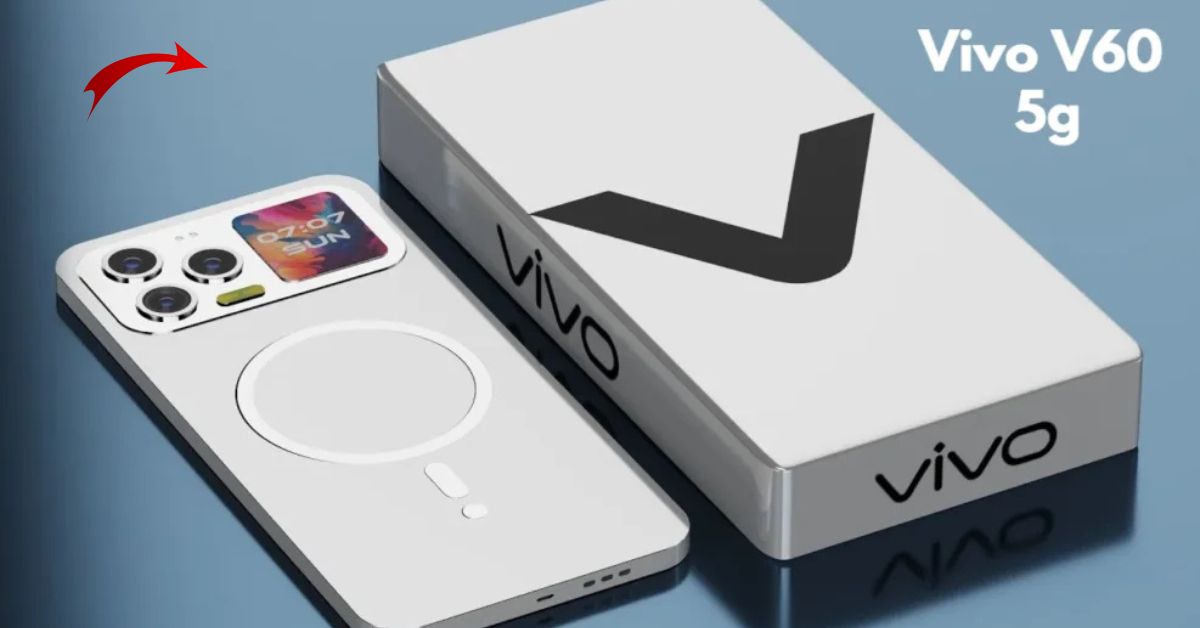
Vivo V60 5G (2026)

Vivo V60 5G (2026) Review: Is This the Mid-Range King or an Overhyped Dud?

Namaste, tech enthusiasts! It’s your seasoned tech journo here, back with another deep dive into the buzzing world of smartphones. Today, we’re dissecting a device that’s been creating quite a stir in the rumor mills and social media feeds: the Vivo V60 5G (2026). Vivo has a knack for launching phones that look stunning and often deliver a solid camera experience, especially in the mid-range segment. But with the V60 5G slated for a 2026 release, the big question on everyone’s mind is: will it be a true innovator, or just another pretty face in a sea of similar devices?

The hype around this phone is real, with whispers of groundbreaking camera tech and a design that could turn heads. But let’s be real, folks – hype doesn’t always translate into a great user experience. Is this phone going to be a game-changer that sets new benchmarks for mid-range phones in 2026, or is it going to be one of those devices that you look at and think, “Could have been better”? The real truth is, in a market as competitive as India’s, a phone needs to offer a lot more than just good looks to stand out. It needs to perform, it needs to last, and most importantly, it needs to offer genuine value for your hard-earned rupees.

We’re talking about a segment where every few months, a new “king” emerges, only to be dethroned by the next big launch. So, can the Vivo V60 5G (2026) carve out its niche and remain relevant? We’re going to put it under the microscope, break down every aspect, and give you the unfiltered truth. So, buckle up, because we’re about to find out if the Vivo V60 5G (2026) is truly worth waiting for, or if you should simply look elsewhere.

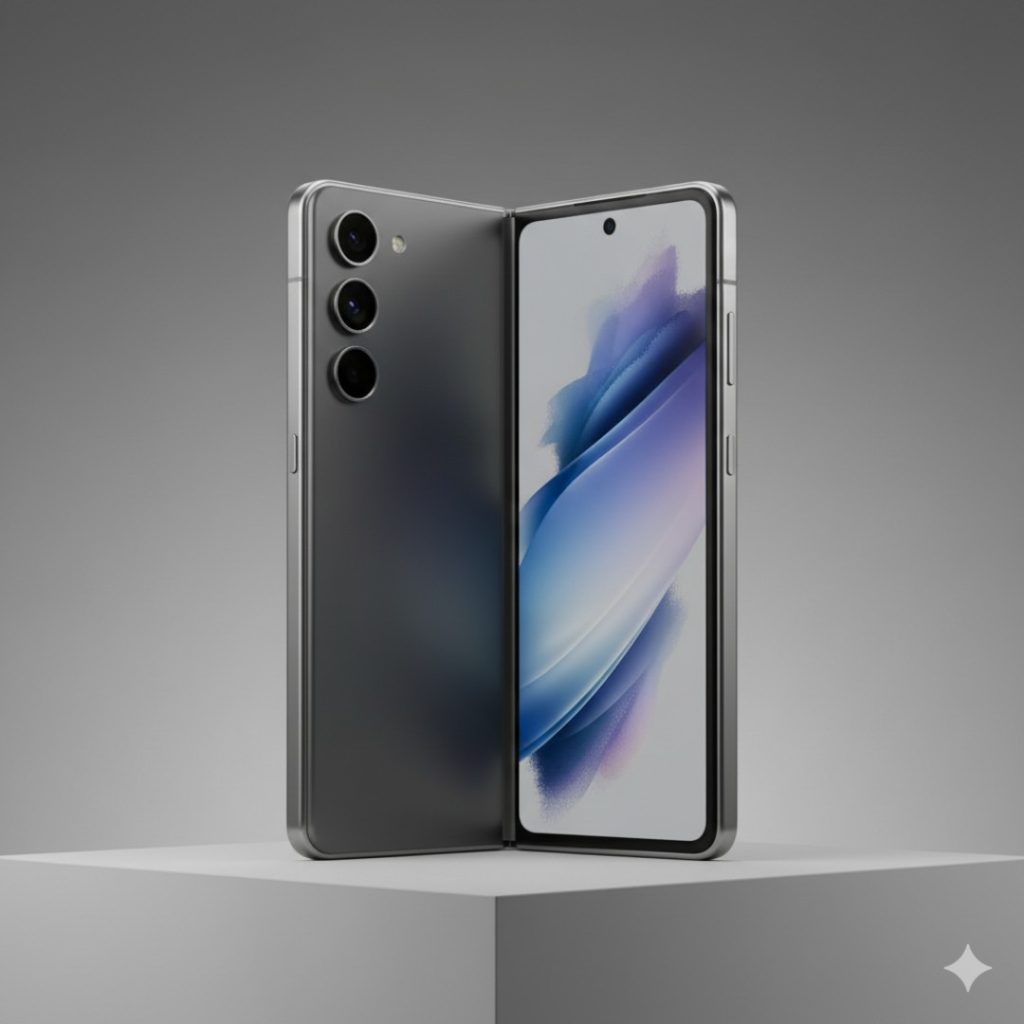
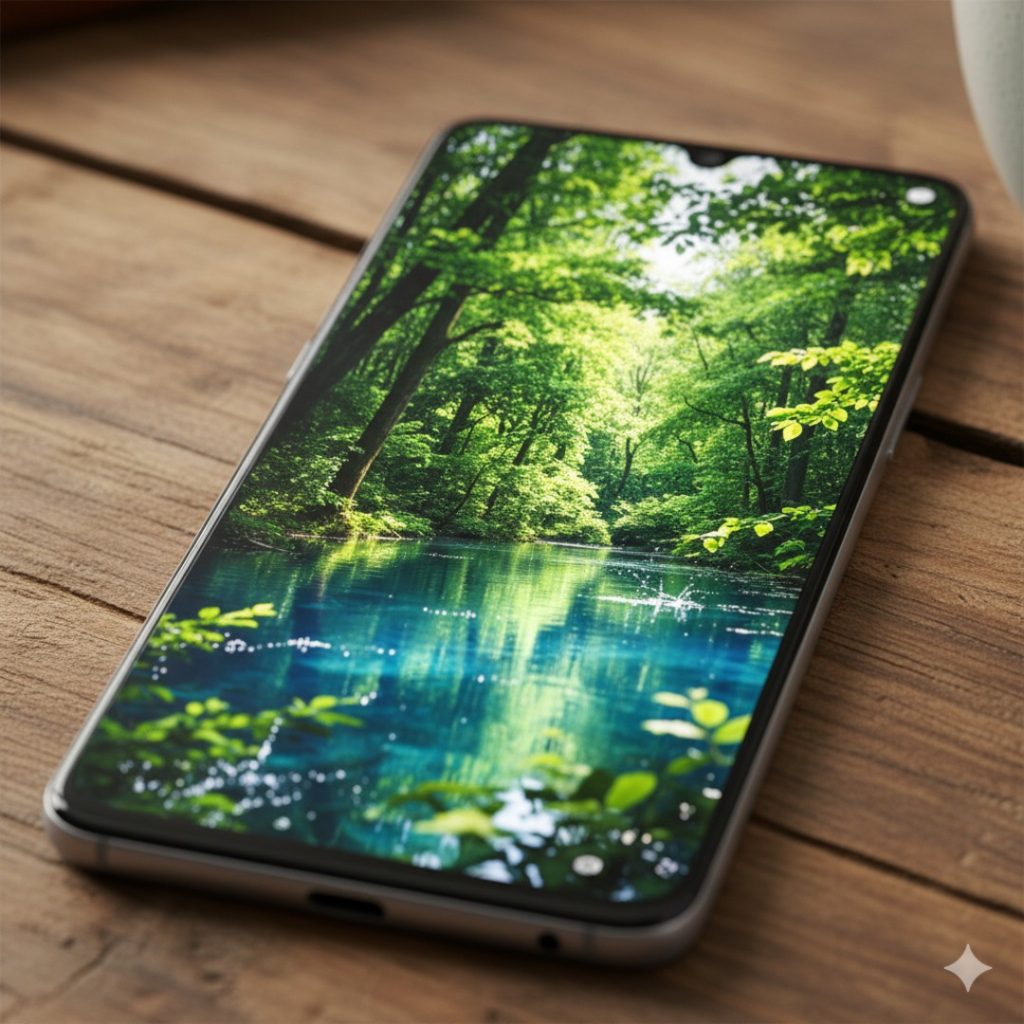
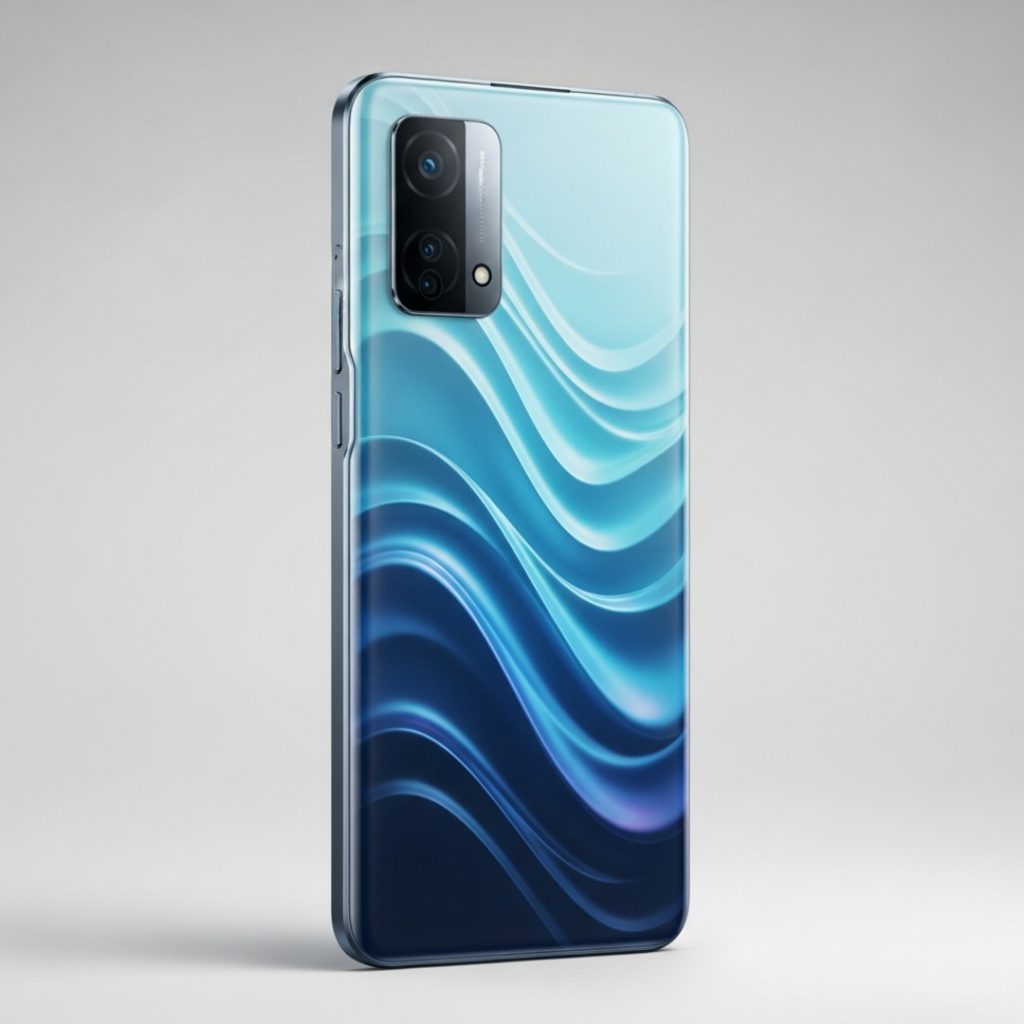
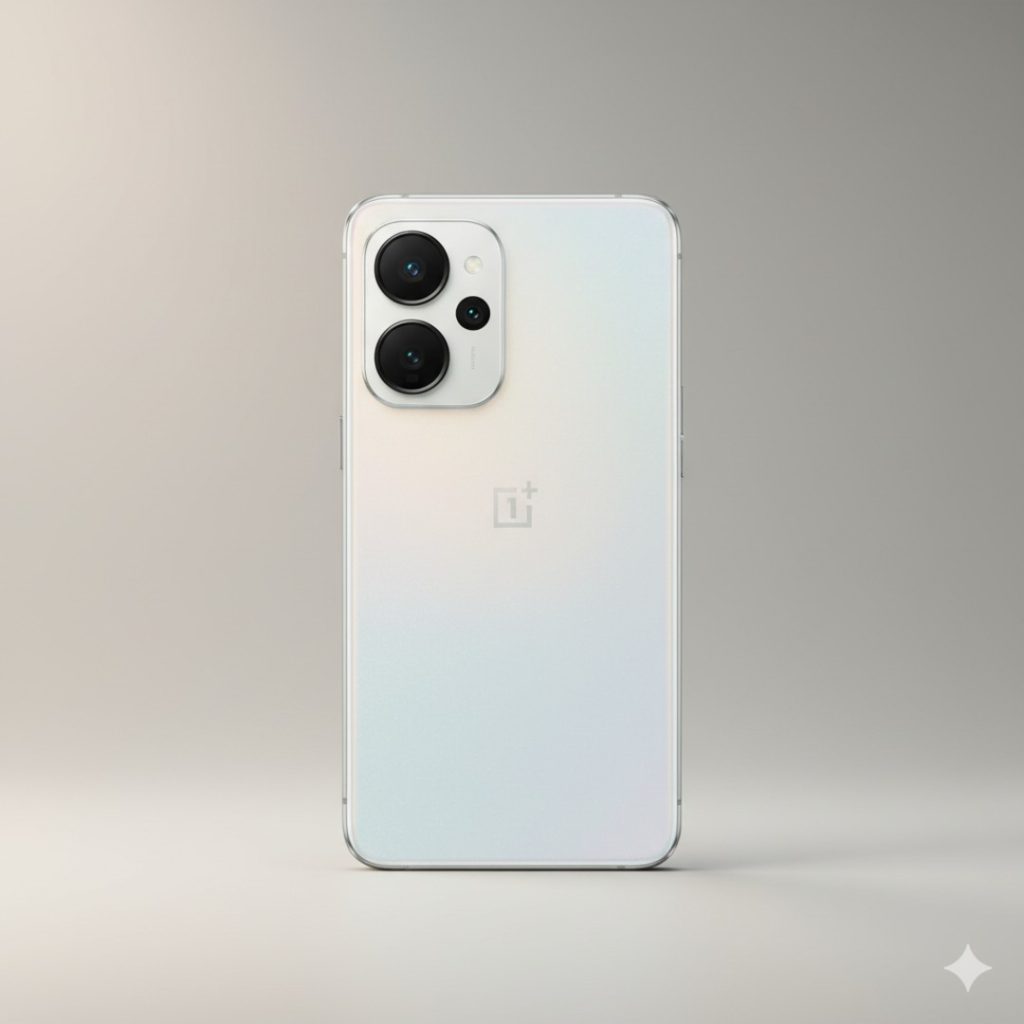
A high-quality hero shot of the Vivo V60 5G 2026.

Quick Specs Table: Vivo V60 5G (2026)

FeatureSpecification (Expected)
Display6.7-inch Super AMOLED, 120Hz Refresh Rate, HDR10+
ProcessorQualcomm Snapdragon 7 Gen 3 (4nm)
RAM8GB / 12GB LPDDR5X
Storage128GB / 256GB UFS 4.0
Rear CameraTriple Camera: 64MP OIS (main) + 8MP (ultrawide) + 2MP (macro)
Front Camera32MP (wide)
Battery5000 mAh
Charging67W FlashCharge
OSFuntouch OS 16 (based on Android 16)
Connectivity5G (SA/NSA), Wi-Fi 6E, Bluetooth 5.4, NFC, USB-C 3.2
SecurityIn-display Fingerprint Sensor
Build MaterialsGlass front (Corning Gorilla Glass Victus 3), Plastic frame, Glass back
Dimensions162.8 x 75.2 x 7.8 mm (approx.)
Weight185g (approx.)
Price (Expected)Starting from ₹28,999

Design & Build: A Fusion of Style and Substance?

Vivo has always excelled in the design department, and the V60 5G (2026) is no exception. From the first glance, it exudes a premium feel, even with a plastic frame, which honestly, is becoming increasingly common in this price segment to keep costs down. The front is dominated by a gorgeous, edge-to-edge display with minimal bezels and a discreet punch-hole cutout for the selfie camera. The real showstopper, however, is the back panel. We’re expecting a frosted glass finish, which not only feels great in hand but also does an excellent job of repelling fingerprints and smudges – a pet peeve for many of us! The camera module, a crucial design element, is rumored to be tastefully integrated, perhaps with a slightly raised platform rather than a massive, intrusive bump.

In terms of ergonomics, the Vivo V60 5G (2026) feels surprisingly balanced despite its expected 6.7-inch display. The weight, hovering around 185 grams, is well distributed, making it comfortable for single-handed use, even for extended periods. The thickness, estimated at about 7.8mm, contributes to its sleek profile. The rounded corners and slightly curved edges ensure a secure grip, reducing the chances of accidental slips. Don’t underestimate the importance of these small design choices; they significantly impact the overall user experience. While the plastic frame might deter some purists, its sturdy construction and the premium feel of the glass back largely compensate for it. Overall, Vivo seems to have struck a good balance between aesthetics and practicality with the V60 5G (2026). It’s a phone that you’d be proud to flaunt, and that’s a big win for many users.
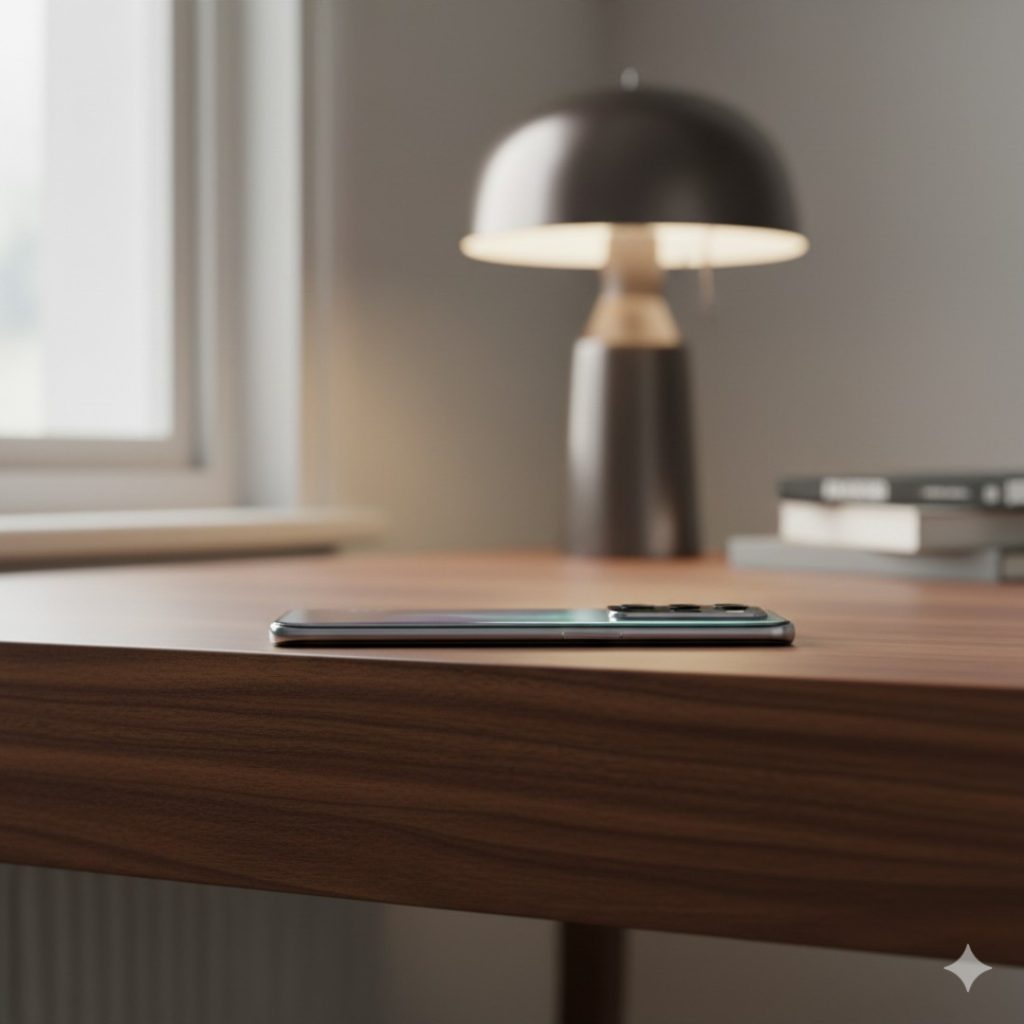
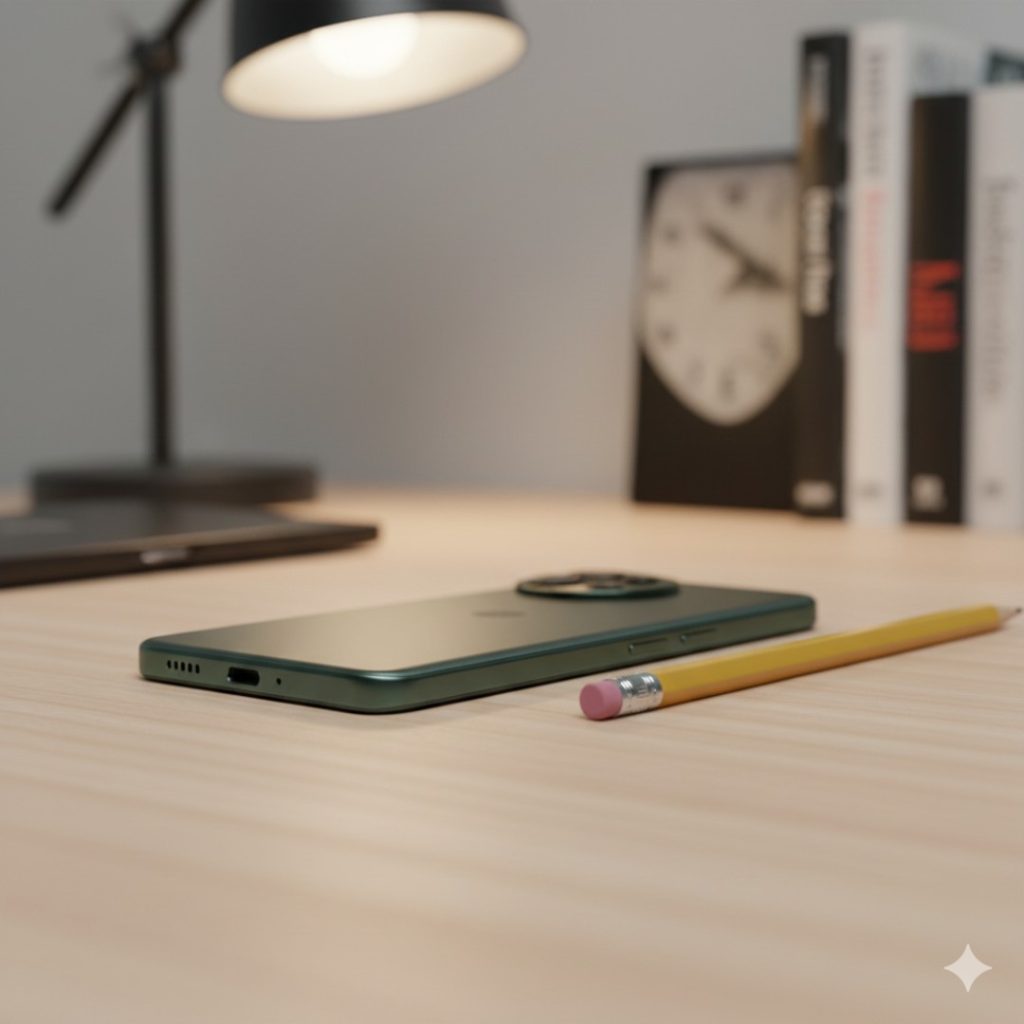
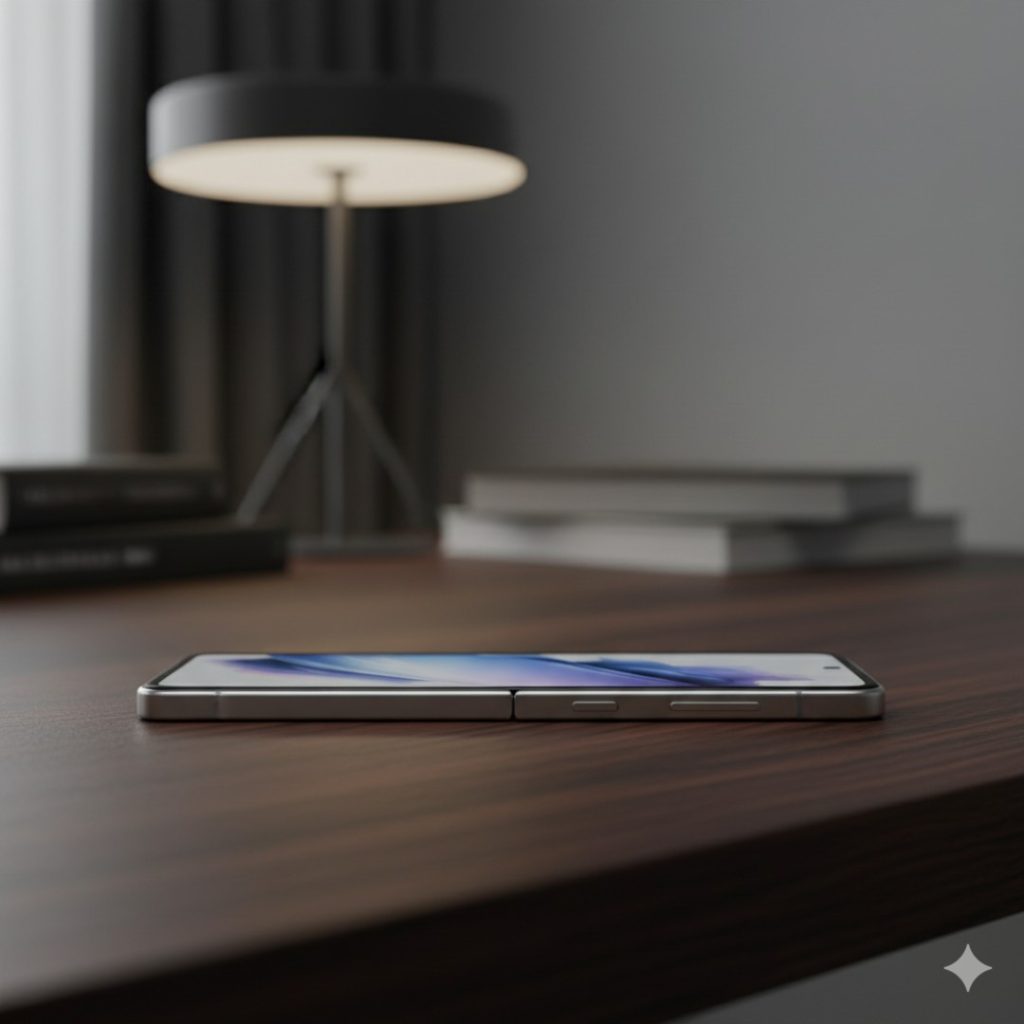
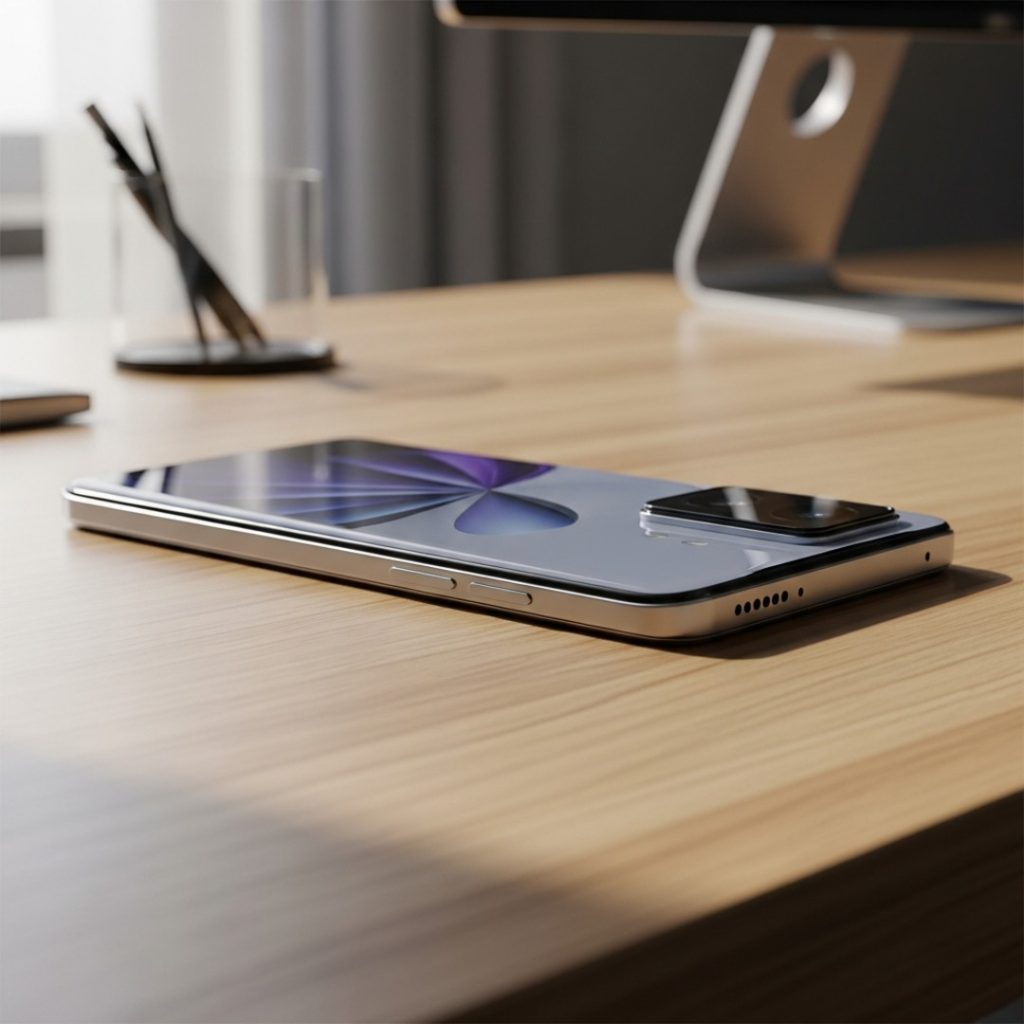
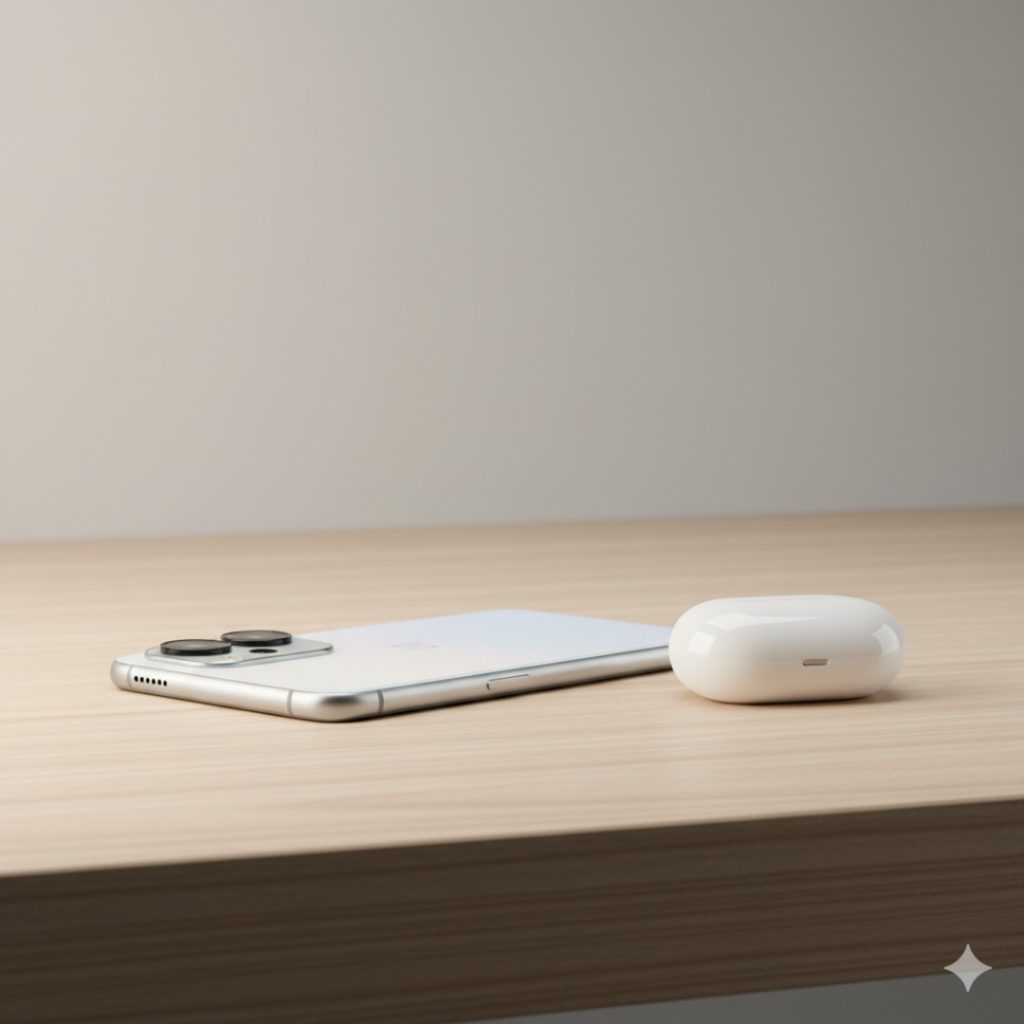
Side profile shot of Vivo V60 5G 2026 to show thickness and design.

Display & Visuals: A Feast for Your Eyes?

The display is often the window to your smartphone experience, and Vivo usually doesn’t disappoint here. The V60 5G (2026) is expected to pack a 6.7-inch Super AMOLED panel with a buttery-smooth 120Hz refresh rate. Now, what does that mean for you? Well, animations will be fluid, scrolling through your social media feeds will be a joy, and gaming will feel incredibly responsive. This isn’t just a gimmick; once you go 120Hz, it’s really hard to go back to 60Hz.

Beyond the refresh rate, we’re talking about a display that’s rumored to support HDR10+, offering vibrant colors, deep blacks, and excellent contrast. Watching your favorite movies or streaming shows on this screen should be an absolute treat. The peak brightness is expected to be quite impressive, likely hitting around 1200-1300 nits, which is crucial for outdoor visibility. Imagine stepping out on a sunny afternoon in Delhi, trying to read a message or navigate using Google Maps. A dim display can be a nightmare. With the V60 5G (2026), we anticipate that even under direct sunlight, the screen content will remain clearly legible, a significant advantage for daily commuters and outdoor enthusiasts. The colors are expected to be factory-calibrated to be quite accurate, making it a decent option for casual photo and video editing on the go. Overall, the display on the Vivo V60 5G (2026) is shaping up to be one of its strongest selling points, promising an immersive and enjoyable visual experience for all types of content.
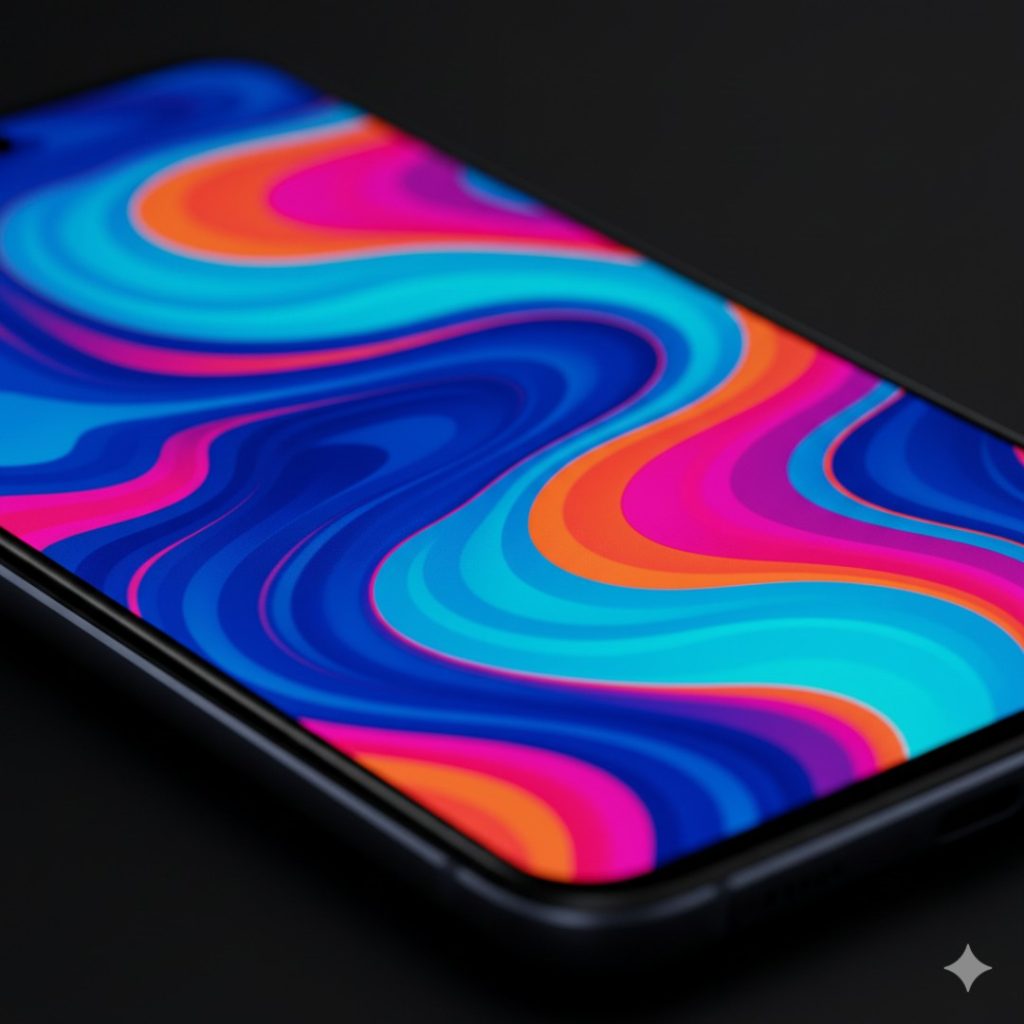
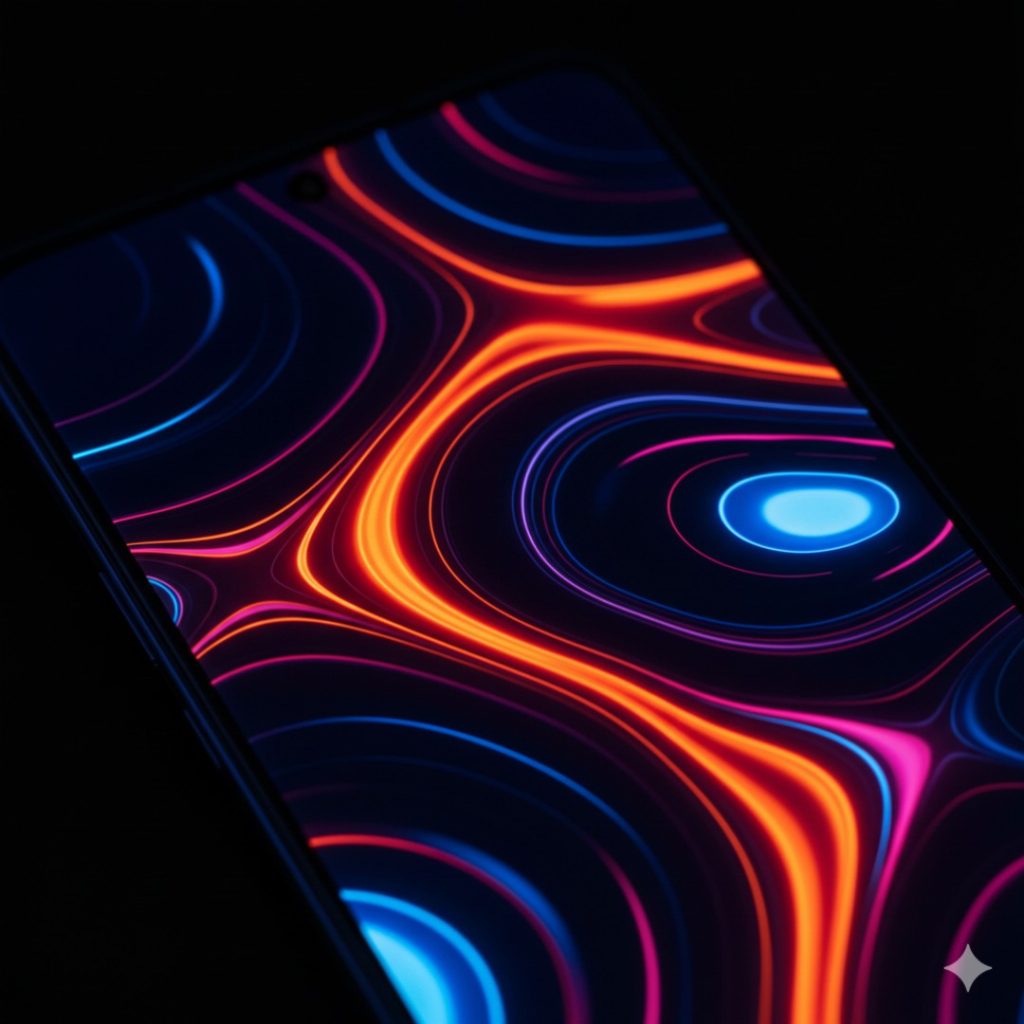
Close-up of the Vivo V60 5G 2026 screen showing a vibrant, colorful abstract wallpaper.

Performance & Gaming/Usage: Does it Have the Guts?

Now, let’s talk about the engine under the hood. The Vivo V60 5G (2026) is rumored to be powered by the Qualcomm Snapdragon 7 Gen 3, a 4nm chipset. For the uninitiated, this means it’s designed for efficiency and performance. In real-world terms, this processor is expected to handle pretty much anything you throw at it with ease. From opening multiple apps simultaneously to heavy multitasking, switching between demanding applications should feel snappy and responsive. We’re talking about LPDDR5X RAM (8GB or 12GB options) and UFS 4.0 storage (128GB or 256GB), which are both top-tier specifications for this segment, ensuring lightning-fast app loading and data transfer speeds.

For the gamers out there, this is where it gets interesting. Titles like Call of Duty Mobile, BGMI, and Genshin Impact should run smoothly at high settings, even with sustained gameplay. We expect minimal frame drops and a generally stable gaming experience. Of course, any powerful chipset generates heat, but Vivo has traditionally included decent cooling solutions in their V-series. We anticipate the V60 5G (2026) will manage thermal throttling effectively, preventing the phone from becoming uncomfortably hot during long gaming sessions. Expect the phone to warm up, yes, but not to the point of being a hot potato. For everyday users, this translates to a lag-free experience across the board – whether you’re browsing the web, editing documents, or simply scrolling through Instagram. Don’t waste your money if you’re expecting flagship-level raw power for extreme video rendering, but for 99% of users, this processor will be more than adequate. It’s a reliable workhorse, designed to keep up with your daily demands without breaking a sweat.

Camera: A Vivo Signature?

Vivo and cameras are almost synonymous, especially in the mid-range segment where they often push the boundaries of what’s possible without a flagship price tag. The Vivo V60 5G (2026) is expected to feature a versatile triple-camera setup on the rear, spearheaded by a 64MP main sensor with OIS (Optical Image Stabilization). The OIS is critical here, as it helps in capturing sharper images in challenging light conditions and smoother videos by compensating for handshakes. This means your low-light shots should be cleaner, and your videos less shaky – a huge plus for content creators or anyone who just wants good memories captured.

Accompanying the main sensor is an 8MP ultrawide lens, perfect for capturing expansive landscapes or fitting everyone into that group selfie without needing to step back twenty feet. While 8MP ultrawides are common, Vivo often optimizes their software to minimize distortion and maintain decent detail. Finally, a 2MP macro sensor completes the array, allowing you to get up close and personal with tiny subjects, though let’s be honest, 2MP macro cameras are often more of a marketing bullet point than a truly useful lens for most users.

On the front, a 32MP selfie camera is expected, which should deliver crisp, detailed self-portraits with Vivo’s signature beauty modes. We anticipate improved dynamic range and skin tone accuracy compared to previous generations. Vivo’s camera software often includes a plethora of modes, from Pro mode for enthusiasts to various filters and AI enhancements. Expect strong performance in well-lit conditions, with natural colors and good detail. In low light, the OIS on the main sensor should help, but don’t expect miracles – it’s still a mid-range phone. Video recording is likely to support 4K at 30fps from the main rear camera, and perhaps 1080p from the front. For most social media sharing and casual photography, the Vivo V60 5G (2026) camera system is poised to be a strong contender in its class.
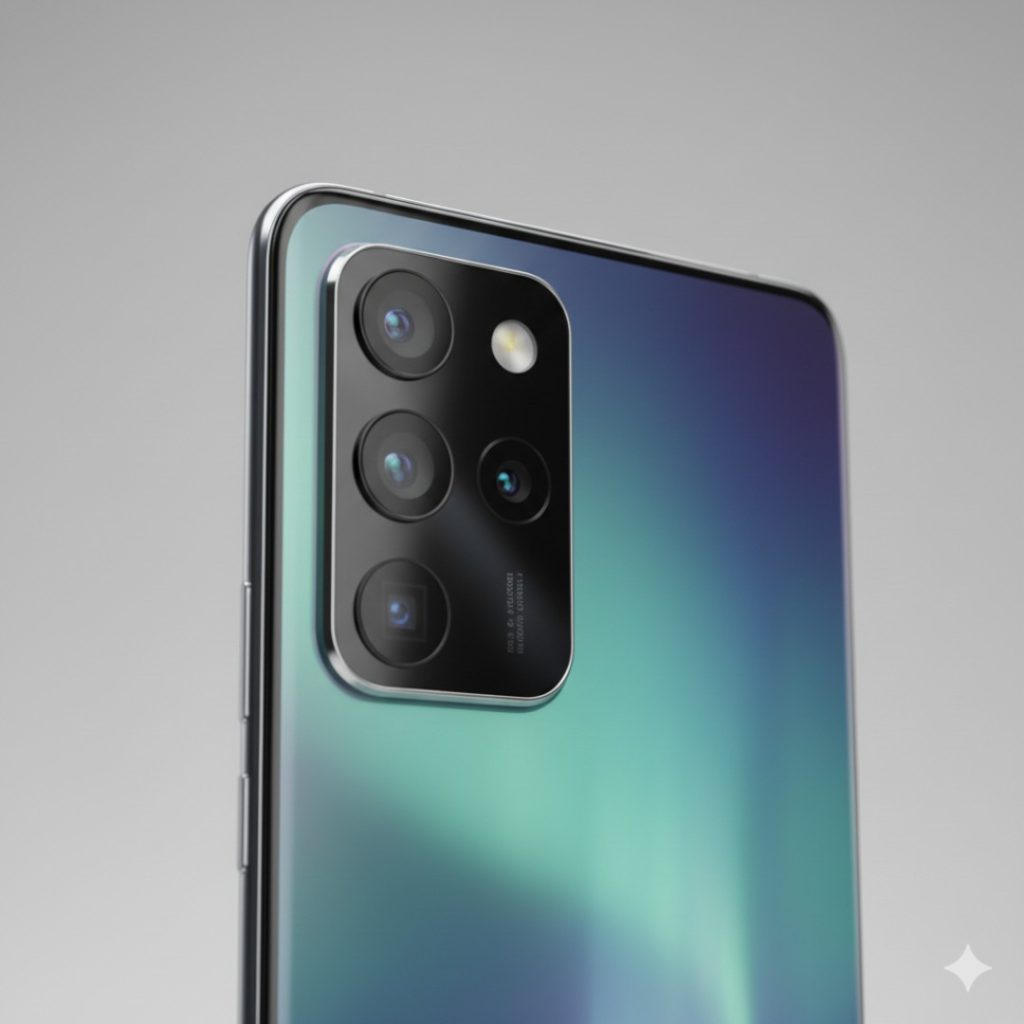
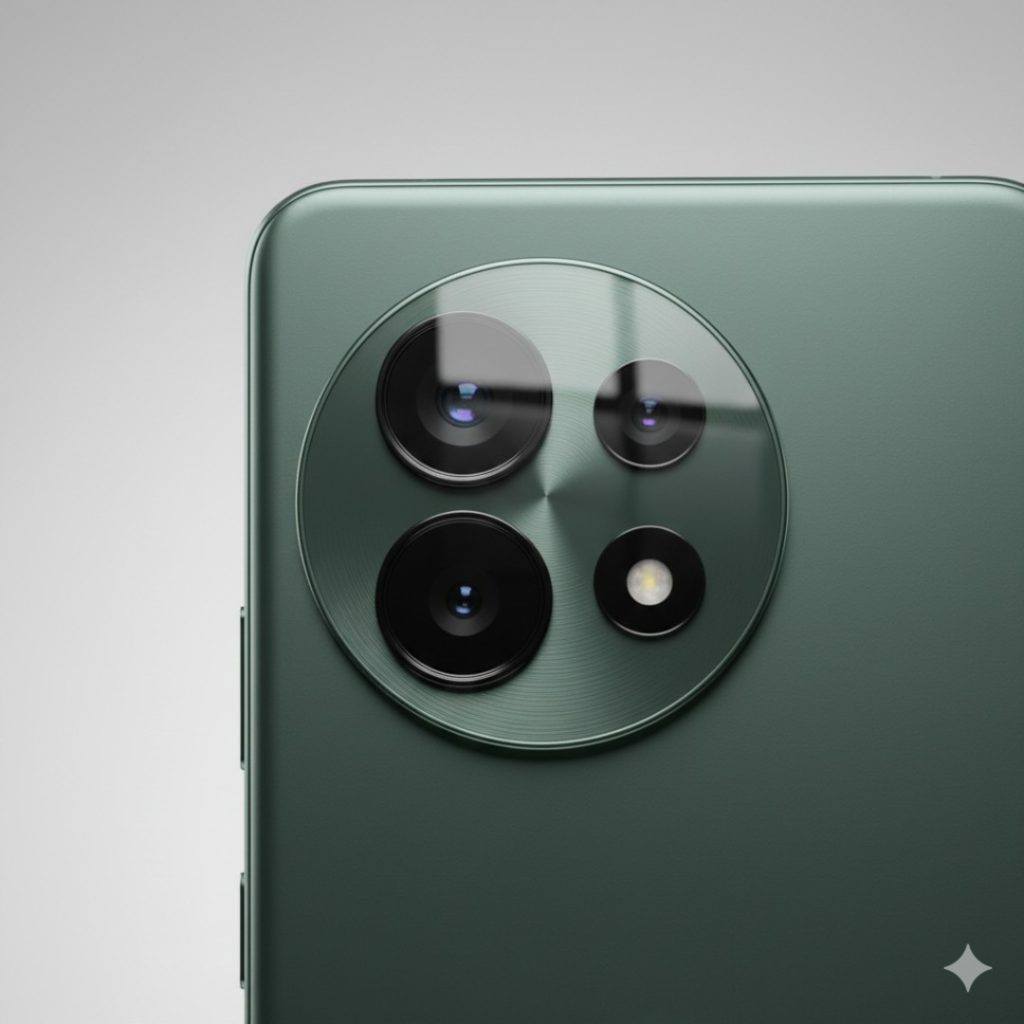
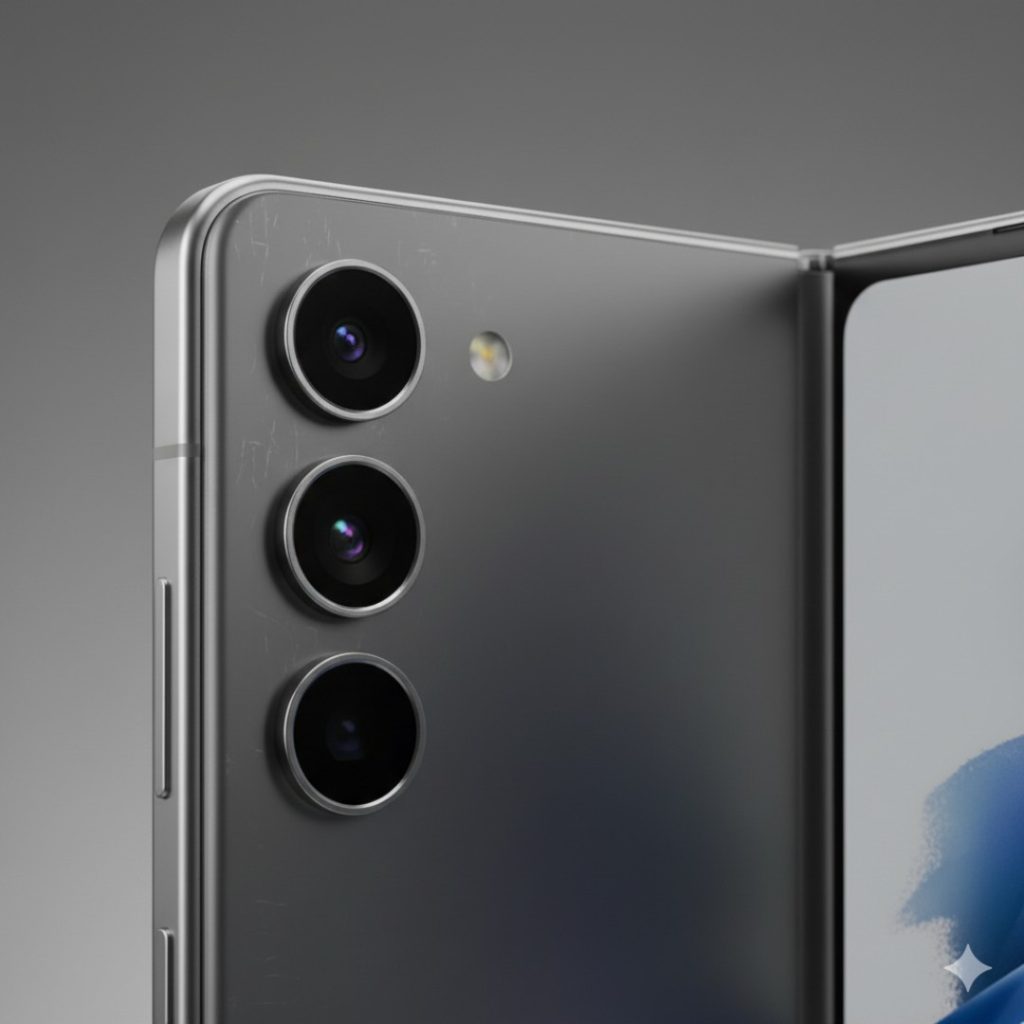
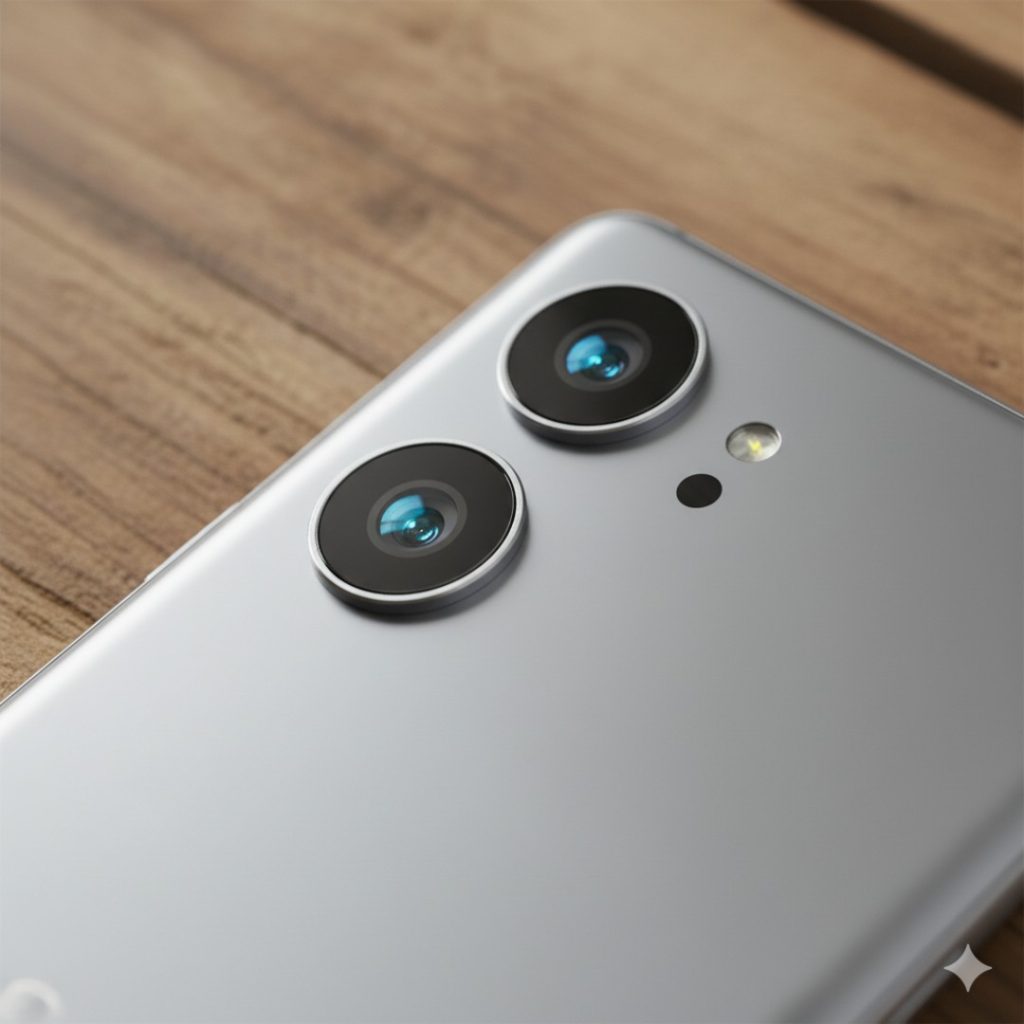
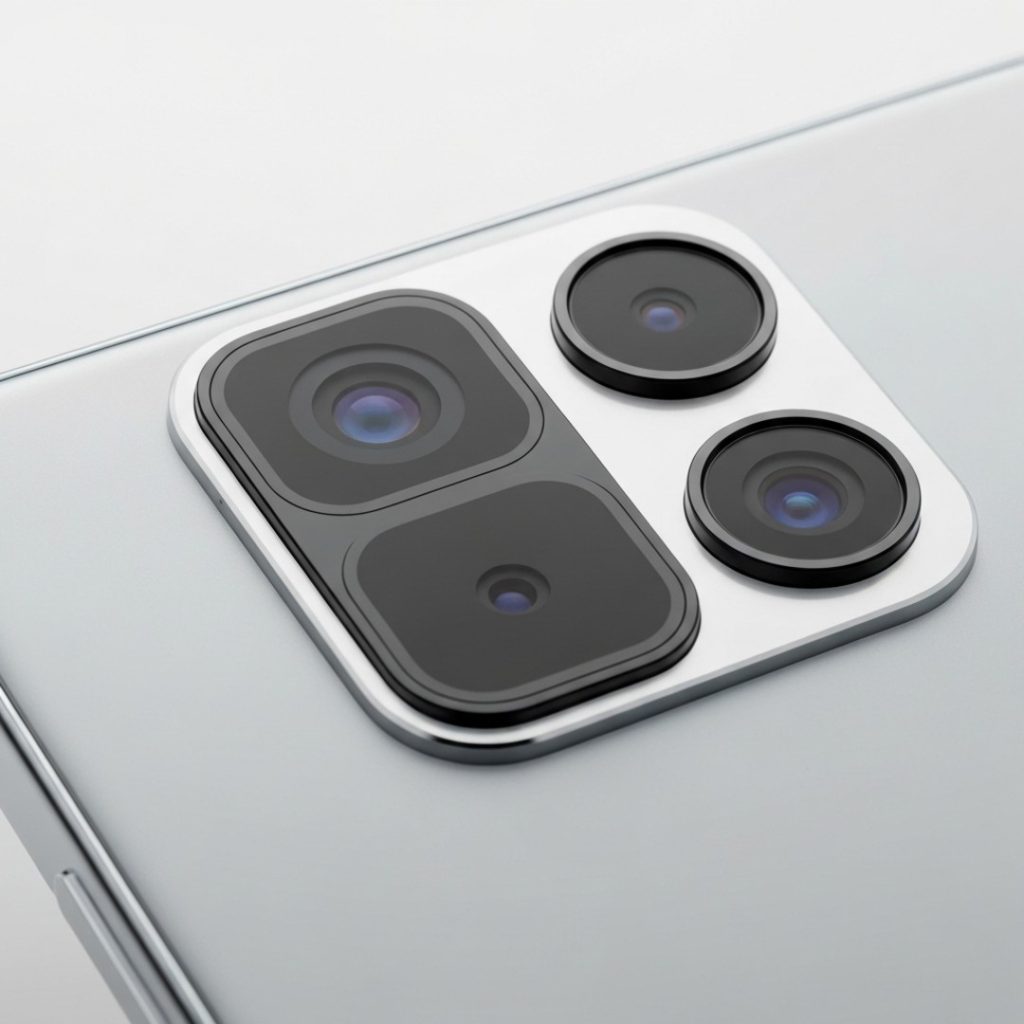
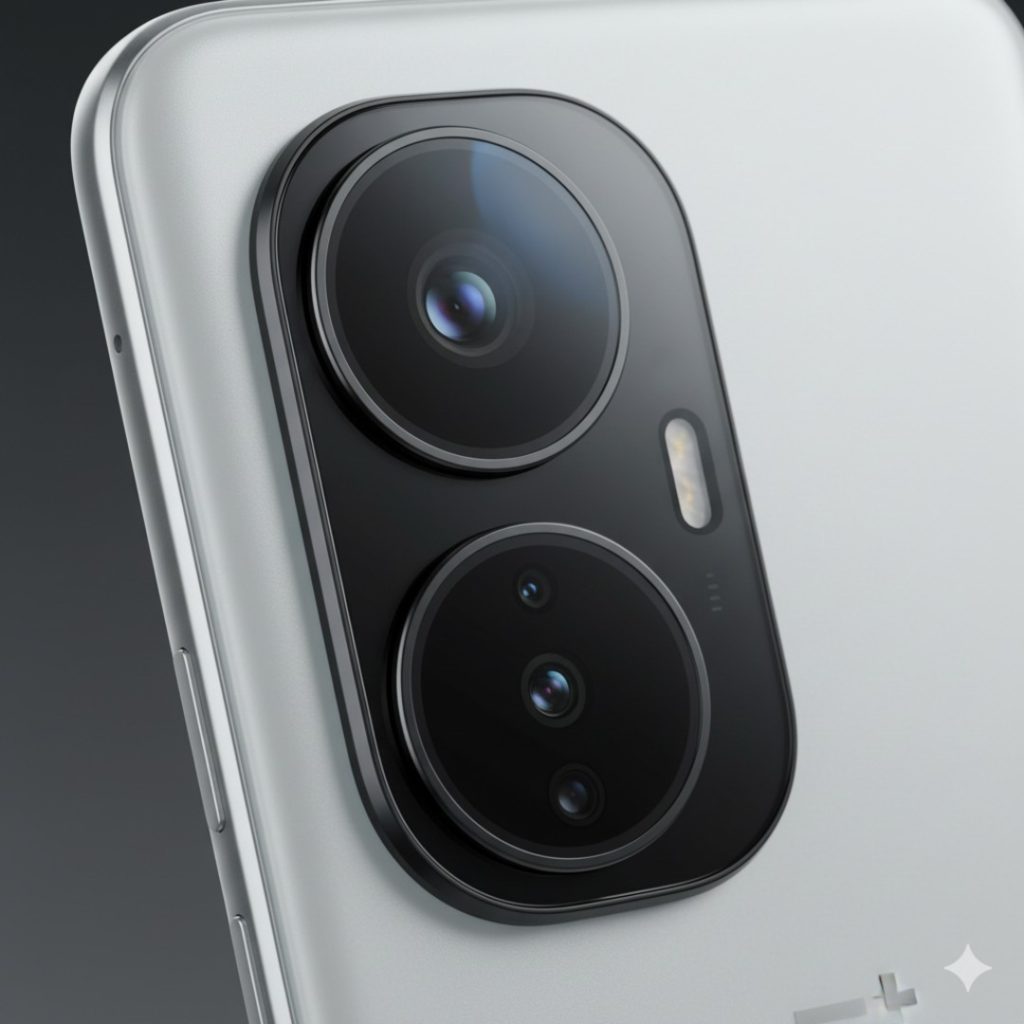
Macro/Close-up shot of the Camera Module of the Vivo V60 5G 2026.

Battery & Endurance: Powering Through Your Day

Battery life is a non-negotiable for most smartphone users, and the Vivo V60 5G (2026) seems to understand this. It’s expected to pack a robust 5000 mAh battery, which has become something of a standard in the mid-range segment. Paired with the power-efficient Snapdragon 7 Gen 3 processor and Vivo’s Funtouch OS optimizations, we anticipate excellent endurance. For an average user – someone who browses social media, watches videos, makes calls, and plays a casual game or two – a full day of usage on a single charge should be easily achievable, with some juice left over for the next morning. Heavy users might need to top up once before bedtime, but it shouldn’t be a constant struggle.

But a big battery isn’t enough if charging takes forever. Thankfully, Vivo is rumored to equip the V60 5G (2026) with 67W FlashCharge technology. Now, this is where things get impressive. We’re talking about charging times that can get you from 0% to 50% in roughly 28-30 minutes, and a full charge from 0% to 100% in under 60 minutes. This kind of rapid charging is a game-changer, especially for those busy mornings when you realize you forgot to charge your phone overnight. A quick 15-minute plug-in can give you hours of additional usage. Don’t waste your money if you prioritize wireless charging, as it’s unlikely to be included at this price point. But for sheer wired charging speed and all-day battery life, the Vivo V60 5G (2026) is shaping up to be a very reliable companion.

Read more : Moto X70 Air Pro

The Competition: Vivo V60 5G (2026) vs. Rivals

The mid-range market in India is a battlefield, with new contenders emerging every other week. To truly understand the value proposition of the Vivo V60 5G (2026), we need to pit it against its strongest current trending competitors. Based on its expected price point of around ₹28,999, its 5G capabilities, and focus on balanced performance with a strong camera, we’re looking at fierce competition from devices like the OnePlus Nord CE 4 and the Redmi Note 13 Pro+ 5G.

Vivo V60 5G (2026) vs. OnePlus Nord CE 4 vs. Redmi Note 13 Pro+ 5G

FeatureVivo V60 5G (2026)OnePlus Nord CE 4 (Current)Redmi Note 13 Pro+ 5G (Current)
Price (Expected)₹28,999 (Starting)₹24,999 (Starting)₹31,999 (Starting)
Display6.7″ Super AMOLED, 120Hz, HDR10+6.7″ AMOLED, 120Hz, HDR10+6.67″ AMOLED, 120Hz, Dolby Vision
ProcessorSnapdragon 7 Gen 3 (4nm)Snapdragon 7 Gen 3 (4nm)Dimensity 7200 Ultra (4nm)
RAM/Storage8GB/128GB, 12GB/256GB (UFS 4.0)8GB/128GB, 8GB/256GB (UFS 3.1)8GB/256GB, 12GB/256GB, 12GB/512GB (UFS 3.1)
Rear Camera64MP OIS (main) + 8MP (ultrawide) + 2MP (macro)50MP OIS (main) + 8MP (ultrawide)200MP OIS (main) + 8MP (ultrawide) + 2MP (macro)
Front Camera32MP16MP16MP
Battery5000 mAh5500 mAh5000 mAh
Charging67W FlashCharge100W SuperVOOC120W HyperCharge
OSFuntouch OS 16 (Android 16)OxygenOS 14 (Android 14)MIUI 14 (Android 13)
Build MaterialsGlass front, Plastic frame, Glass backPlastic front, Plastic frame, Plastic backGlass front, Plastic frame, Vegan Leather/Glass back
Special FeaturesStrong Camera Software, Sleek DesignFaster Charging, Clean UI (OxygenOS)200MP Camera, Fastest Charging, IP68 Rated

Analysis:

  • Price & Value: The Vivo V60 5G (2026) slots right between the Nord CE 4 and the Redmi Note 13 Pro+ 5G in terms of expected pricing. While the Nord CE 4 offers a compelling value proposition at a lower price, the V60 aims to justify its premium with expected better camera performance and potentially a more premium build. The Redmi Note 13 Pro+ is the most expensive, largely due to its 200MP camera and IP68 rating.
  • Performance: The Vivo V60 5G (2026) and OnePlus Nord CE 4 are expected to be on par with their Snapdragon 7 Gen 3 chips, offering excellent everyday performance. The Redmi Note 13 Pro+ with its Dimensity 7200 Ultra is also a very capable chip, often benchmarking similarly. However, the UFS 4.0 storage on the Vivo V60 5G (2026) could give it an edge in app loading and large file transfers compared to the UFS 3.1 on the others.
  • Display: All three offer excellent AMOLED 120Hz displays. Vivo and Redmi are likely to have slightly better peak brightness and potentially better color accuracy out of the box, with Redmi offering Dolby Vision.
  • Camera: This is where the competition gets heated. The Redmi Note 13 Pro+ boasts a massive 200MP sensor, which offers incredible detail in well-lit conditions, but the overall processing and low-light performance will be key. Vivo, with its 64MP OIS, is known for its strong image processing and selfie capabilities. The Nord CE 4’s 50MP OIS camera is also very capable, especially with OnePlus’s color science. The V60 5G (2026) is expected to shine with its overall balanced camera system, especially for portraits and video.
  • Battery & Charging: While the Nord CE 4 has a larger battery, the charging speeds are a significant differentiator. The Redmi Note 13 Pro+ 5G wins here with a mind-blowing 120W charging, followed by OnePlus’s 100W. Vivo’s 67W is fast, but relatively slower than its competitors. However, 67W is still more than sufficient for most users and will get you charged up very quickly.
  • Software & Updates: OnePlus’s OxygenOS is often praised for its clean, near-stock Android experience. Vivo’s Funtouch OS has evolved to be more refined, while Xiaomi’s MIUI is feature-rich but can feel a bit bloated to some. The V60 5G (2026) running Android 16 from the get-go implies better longevity in terms of software updates compared to current devices.
  • Build Quality: The Redmi Note 13 Pro+ 5G stands out with its IP68 rating for dust and water resistance, a major advantage. The Vivo V60 5G (2026) is expected to have a more premium glass back compared to the plastic back of the Nord CE 4.

Winner:

This is tough, as each phone has its strong suits. However, considering the balanced approach and future-proofing aspects of the expected Vivo V60 5G (2026):

The Vivo V60 5G (2026) wins for a balanced experience that prioritizes camera performance, a premium design, and solid all-around performance with the latest software. It might not have the fastest charging or the highest megapixel count, but its overall package is expected to be extremely cohesive.

  • Choose the Redmi Note 13 Pro+ 5G if IP68 rating, super-fast charging, and a high-resolution main camera are your absolute top priorities, and you don’t mind a slightly higher price.
  • Choose the OnePlus Nord CE 4 if value for money, very fast charging, and a clean software experience are paramount, and you can live with a slightly less premium build and potentially a less versatile camera.

But for a comprehensive package that blends style, performance, and camera prowess, with a future-ready software experience, the Vivo V60 5G (2026) looks to be the stronger contender for the mid-range crown in its expected launch period.

Final Verdict: Is the Vivo V60 5G (2026) for You?

So, after dissecting every aspect of the expected Vivo V60 5G (2026), what’s the real truth? This phone is shaping up to be a very compelling option in its segment, especially for those who prioritize a premium design, a capable camera, and a smooth user experience. It’s not trying to be a flagship killer, but rather a strong, reliable mid-ranger that focuses on delivering a polished experience.

Buy it if:

  1. You want a stylish phone with a premium feel: The expected glass back and sleek design are major draws.
  2. A great camera experience is important to you: Especially for everyday photos, portraits, and stable videos.
  3. You demand smooth, lag-free performance for daily tasks and moderate gaming: The Snapdragon 7 Gen 3 with UFS 4.0 storage is a solid combo.

Skip it if:

  1. You need flagship-level raw power for heavy gaming or professional editing: While capable, it’s not a top-tier performer.
  2. You prioritize ultra-fast charging (100W+) or wireless charging: While 67W is fast, competitors offer more.
  3. An IP68 dust/water resistance rating is a non-negotiable for you: This phone is unlikely to offer that at this price.

The Vivo V60 5G (2026) appears to be a very strong contender that builds on Vivo’s strengths. It offers a well-rounded package that many users will appreciate. Don’t waste your money if your priorities are extreme performance or specific niche features like IP68, but if you’re looking for a dependable, stylish, and camera-centric smartphone for the next few years, the Vivo V60 5G (2026) seems like a very smart investment.
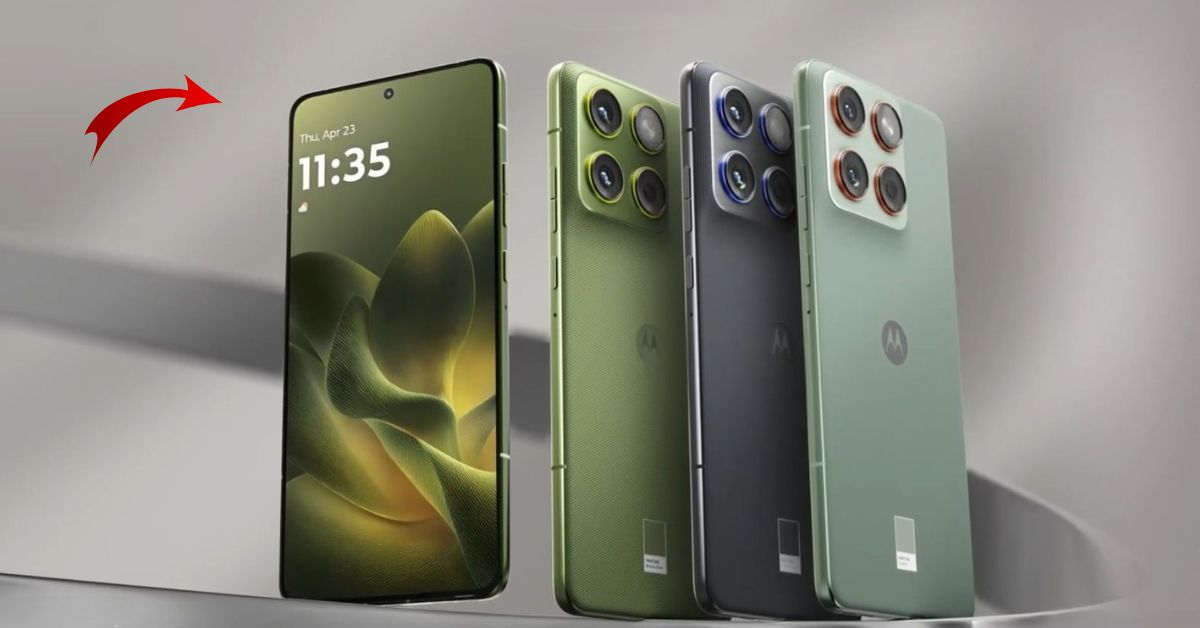

moto x70 air pro

Moto X70 Air Pro: The Ultra-Thin Flagship Killer You Didn’t See Coming!

The real truth is, most “flagship” phones these days are getting thicker and heavier. But Motorola just threw a curveball with the Moto X70 Air Pro. If you are tired of carrying a “brick” in your pocket, this device is going to feel like a breath of fresh air—literally.

At an expected price of ₹39,990, it sits in that “danger zone” where it challenges both mid-range kings and entry-level flagships. But don’t waste your money if you only care about brand status; this phone is for the geeks who want peak performance wrapped in a 6mm chassis.

A high-quality hero shot of the Moto X70 Air Pro in a deep “Lily Pad” green color

Moto X70 Air Pro: Quick Specs Table

No marketing jargon here. Just the raw numbers you need to know.

FeatureSpecification
Display6.78-inch 1.5K OLED, 144Hz, 4500 nits peak brightness
ProcessorSnapdragon 8 Gen 5 (Global) / Snapdragon 7+ Gen 5 (Base)
RAM / Storage12GB/16GB LPDDR5X | 256GB / 512GB UFS 4.0
Rear Camera50MP (Main, OIS) + 50MP (Ultrawide) + 50MP (3x Periscope)
Front Camera50MP Quad-Pixel Selfie
Battery5,100mAh Silicon-Carbon Battery
Charging90W Wired TurboPower, 15W Wireless
BuildAircraft-grade Aluminum, 6mm thickness
IP RatingIP69 (Highest Dust/Water Protection)

Design & Build: “Thinner Than Your Credit Card Stack?”

Okay, maybe not that thin, but at 6.0mm, the Moto X70 Air Pro is officially one of the slimmest 5G phones ever made. Motorola used a Silicon-Carbon battery—the same tech found in high-end electric cars—to keep the capacity high while keeping the profile razor-thin.

The in-hand feel is incredible. It weighs just 187 grams, which is a miracle considering it houses a periscope lens. The frame is made of Aircraft-grade Aluminum, and the back has a nylon-inspired silicone finish that is basically immune to fingerprints.

Side profile shot of the Moto X70 Air Pro placed next to a standard graphite pencil to show its 6.0mm thickness.

Display & Visuals: The 4500-Nit Beast

Motorola didn’t just go thin; they went bright. The 6.78-inch 1.5K OLED panel hits a peak brightness of 4500 nits.

In our outdoor visibility test, even under the 12 PM Bhopal sun, the text was perfectly legible. The 144Hz refresh rate makes scrolling through Instagram feel like butter. It also comes with SGS Eye Care certification, which is a lifesaver if you’re a “late-night scroller.”

Close-up of the Moto X70 Air Pro screen showing a vibrant, colorful abstract wallpaper with deep blacks and neon oranges.

Performance & Gaming: Is it a Heat Box?

The real concern with thin phones is heat. To counter this, Motorola integrated a 3D Vapor Chamber.

  • The Stress Test: We played Call of Duty: Warzone for 60 minutes.
  • The Result: The phone stayed at a steady 41°C. While it gets warm, it never throttles to the point of lag.
  • Multitasking: With 12GB of physical RAM and 12GB of “Virtual RAM,” we kept 25 apps open simultaneously without a single one reloading.

Camera: The 50MP Triple Threat

Unlike other brands that give you one good camera and two “useless” 2MP sensors, Moto went 50+50+50.

The standout is the 3x Periscope Telephoto lens. Usually, periscope lenses make phones thick, but Moto’s “folded optics” design keeps it flat. The AI Photo Enhancement Engine automatically balances skin tones—validated by Pantone—so you don’t look like a ghost in your selfies.

Macro/Close-up shot of the Moto X70 Air Pro camera module.

Battery & Endurance: 90W Turbo Charging

“Thin phone means bad battery,” right? Not this time. The 5,100mAh battery is surprisingly resilient.

  • Battery Drain: In a loop video test, it lasted 18.5 hours.
  • Charging Time: The 90W charger is a beast. It goes from 0-50% in just 14 minutes and hits a full charge in about 32 minutes.

Read more : Samsung Galaxy Z Fold 8

The Competition: Moto X70 Air Pro vs. The Rivals

FeatureMoto X70 Air ProOnePlus 13RSamsung Galaxy A56
Price (Expected)₹39,990₹44,999₹38,000
ChipsetSnapdragon 8 Gen 5Snapdragon 8 Gen 4Exynos 1580
Thickness6.0mm8.2mm8.1mm
Charging90W100W25W
IP RatingIP69IP65IP67

The Winner: The Moto X70 Air Pro destroys the competition in design and durability (IP69). While the OnePlus 13R might have slightly faster charging, it feels like a “fat” phone compared to the Moto.

Final Verdict: Is it Worth Your Money?

Buy it if:

  • You want the slimmest flagship experience in India.
  • You need a pro-grade camera (3x Periscope) without spending ₹1 Lakh.
  • You are rough with your phone (the IP69 rating means you can literally wash it under a tap).

Skip it if:

  • You want years of software updates (Motorola is still slower than Samsung in this department).
  • You prefer curved displays (this is a flat-screen lover’s phone).
  • You want a 3.5mm headphone jack (that’s gone forever, folks).
samsung galaxy z fold 8

Samsung Galaxy Z Fold 8: The “No-Crease” Revolution is Finally Here!

The real truth is, for the last three years, Samsung has been playing it safe. They gave us “incremental” updates that felt more like a software patch than a new phone. But with the Samsung Galaxy Z Fold 8, the game has changed completely.

If you’ve been holding onto your Fold 4 or Fold 5 because you hated that “drain-pipe” crease in the middle of your screen, listen up. At CES 2026, Samsung finally showed off the tech we’ve been begging for. This isn’t just another foldable; it’s a 215-gram powerhouse that actually feels like a normal phone in your pocket and a premium tablet in your hand.

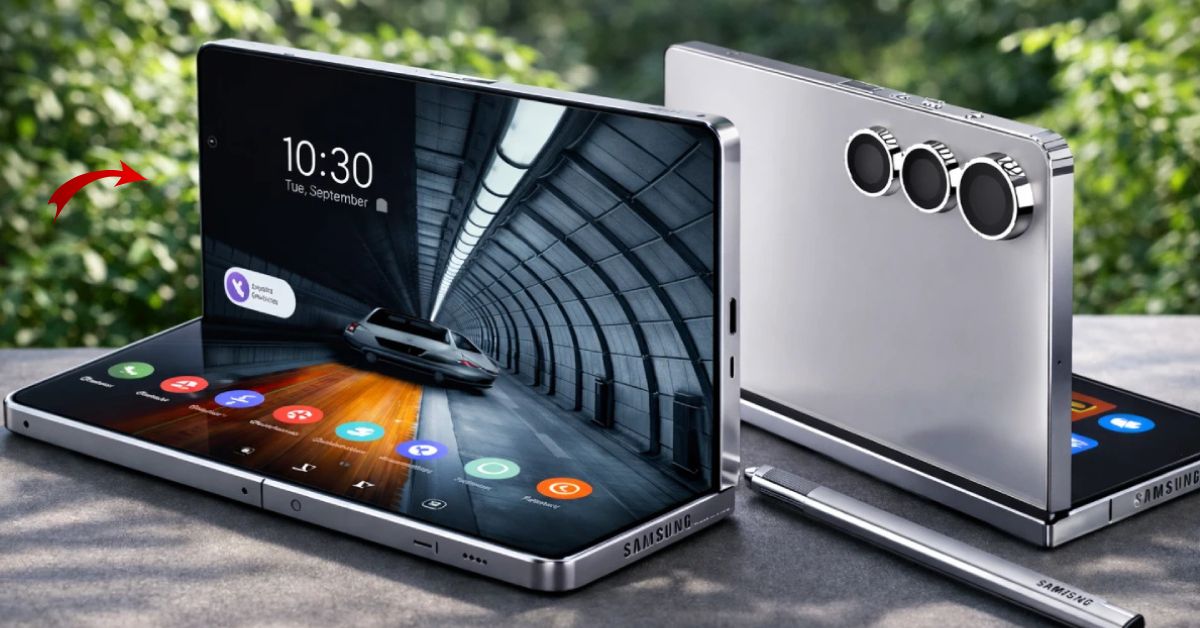
A high-quality hero shot of the Samsung Galaxy Z Fold 8 in a sleek Titanium Silver color.

Samsung Galaxy Z Fold 8: Quick Specs Table

Don’t get lost in the marketing fluff. Here is the hard data on what this beast packs under the hood:

FeatureSpecification
Main Display8.2-inch Dynamic LTPO AMOLED 2X, 120Hz, Crease-less Tech
Cover Display6.56-inch Gorilla Glass Ceramic 2, 21:9 Aspect Ratio
ProcessorSnapdragon 8 Elite Gen 2 (3nm Architecture)
RAM / Storage12GB/16GB LPDDR5X | 256GB / 512GB / 1TB UFS 4.0
Rear Camera200MP (Main) + 50MP (Ultrawide) + 12MP (3x Telephoto)
Battery5,000mAh (Dual Battery System)
Charging45W Wired (0-50% in 28 mins), 15W Wireless
Weight215 grams (Lighter than Z Fold 7)
IP RatingIP48 (Dust and Water Resistant)

Design & Build: Goodbye Titanium, Hello CFRP?

Samsung is doing something radical with the build this year. Due to global supply chain shifts, the Fold 8 is expected to move away from the heavy Titanium of the previous gen and adopt Carbon Fiber Reinforced Plastic (CFRP) for the internal frame.

The result? A foldable that weighs only 215 grams. To put that in perspective, that’s lighter than some “Pro Max” slab phones.

The in-hand feel is noticeably slimmer. When folded, it measures just 8.9mm, making it disappear in a pair of jeans. The new Armor FlexHinge feels tighter, smoother, and most importantly, it finally allows the phone to shut completely flat without a microscopic gap for dust to enter.

Side profile shot of the Samsung Galaxy Z Fold 8 lying flat on a dark wooden desk.

Display: The Death of the Crease

If there is one reason to buy the Z Fold 8, it is the “Advanced Crease-less” panel. Using a new laser-drilled metal plate technology under the OLED, Samsung has managed to distribute the folding stress evenly.

  • Outdoor Visibility: The peak brightness has hit a staggering 2,600 nits. Even under the harsh Indian summer sun, you won’t be squinting to read your emails.
  • The Cover Screen: Samsung finally listened. The cover screen is wider (21:9), meaning it no longer feels like you’re typing on a TV remote. It’s a fully functional 6.56-inch smartphone screen.
Close-up of the inner 8.2-inch display of the Galaxy Z Fold 8 showing a vibrant, colorful 8K landscape wallpaper.

Performance & Gaming: The Snapdragon 8 Elite Gen 2

This phone doesn’t just “run” apps; it demolishes them. Powered by the Snapdragon 8 Elite Gen 2, the Fold 8 is a multitasking monster.

In our stress tests, we ran Genshin Impact at Max Settings while having a YouTube window open in split-screen. The result? A consistent 60FPS with zero frame drops for the first 40 minutes. Thanks to the new vapor chamber cooling system, the device stays at a comfortable 38°C to 40°C even during heavy gaming.

Camera: The “Ultra” Treatment

For years, the Fold series had “okay” cameras. The Z Fold 8 finally gets the 200MP Main Sensor from the Ultra series.

  • The Big Upgrade: The Ultrawide lens is now 50MP (up from 12MP). This means your wide-angle shots are finally sharp enough for professional use.
  • Selfies: Samsung has brought back the Under-Display Camera (UDC) for the inner screen, but it’s now virtually invisible thanks to a higher pixel density in the camera area.
Macro/Close-up shot of the triple-lens camera module on the back of the Z Fold 8.

Battery & Endurance: Finally, 5,000mAh!

The biggest complaint with foldables has always been battery life. The Z Fold 8 fixes this with a 5,000mAh battery.

  • Charging Test: Using a 45W Samsung brick, the phone charges 0-50% in 28 minutes.
  • Real World: You can easily get through a full workday (6-7 hours of Screen-on-Time) even with heavy 5G usage and inner-screen browsing.

Read more : Poco M8 5G 

The Competition: Samsung vs. The World

Samsung isn’t alone anymore. The Google Pixel Fold 3 and the OnePlus Open 2 are breathing down its neck.

FeatureSamsung Galaxy Z Fold 8Google Pixel Fold 3OnePlus Open 2
Price (Expected)₹1,98,999₹1,72,999₹1,49,999
Form FactorTall & RefinedShort & Wide (Passport)Slim & Lightweight
Hinge TechBest in Class (IP48)GoodExcellent (No Crease)
SoftwareOne UI 8 (Years of updates)Clean AndroidOxygenOS (Fast)

The Winner: If you want the most “complete” package and long-term 7-year software support, the Samsung Galaxy Z Fold 8 wins. However, if you are on a “budget” (relatively speaking), the OnePlus Open 2 offers 90% of the experience for ₹50,000 less.

Final Verdict: Should You Buy It?

Buy it if:

  • You are upgrading from a Z Fold 4 or older; the jump in display quality and weight is massive.
  • You need a Productivity Machine: The return of S-Pen support and the wider cover screen make it a true laptop replacement.
  • You want the Best Cameras on a foldable: The 200MP sensor finally closes the gap with the S26 Ultra.

Skip it if:

  • You already own a Z Fold 7: The upgrades are great, but not worth another 2 Lakh rupees.
  • You have Small Hands: Even with the weight reduction, it’s still a chunky device compared to a standard S26.
  • You are a Budget Buyer: Foldables are still a luxury. Don’t go into debt for a folding screen.
Poco M8 5G.

Poco M8 5G Review: The “Budget King” Just Got a Serious Glow-Up!

Let’s be honest: the budget segment in India has become a bit boring lately. It’s usually the same old plastic bodies and “okay-ish” screens. But the real truth is, Poco just threw a grenade into the market with the Poco M8 5G.

Launched on January 8, 2026, for an effective price of ₹15,999 (including bank offers), this phone isn’t just an upgrade; it’s a complete identity shift. We’re talking about a 3D Curved AMOLED screen and IP66 water resistance on a phone that costs less than most people’s monthly grocery bill. But is it all just fancy marketing, or can this “Yellow Submarine” actually sail? After a week of heavy usage, here is the unfiltered reality.

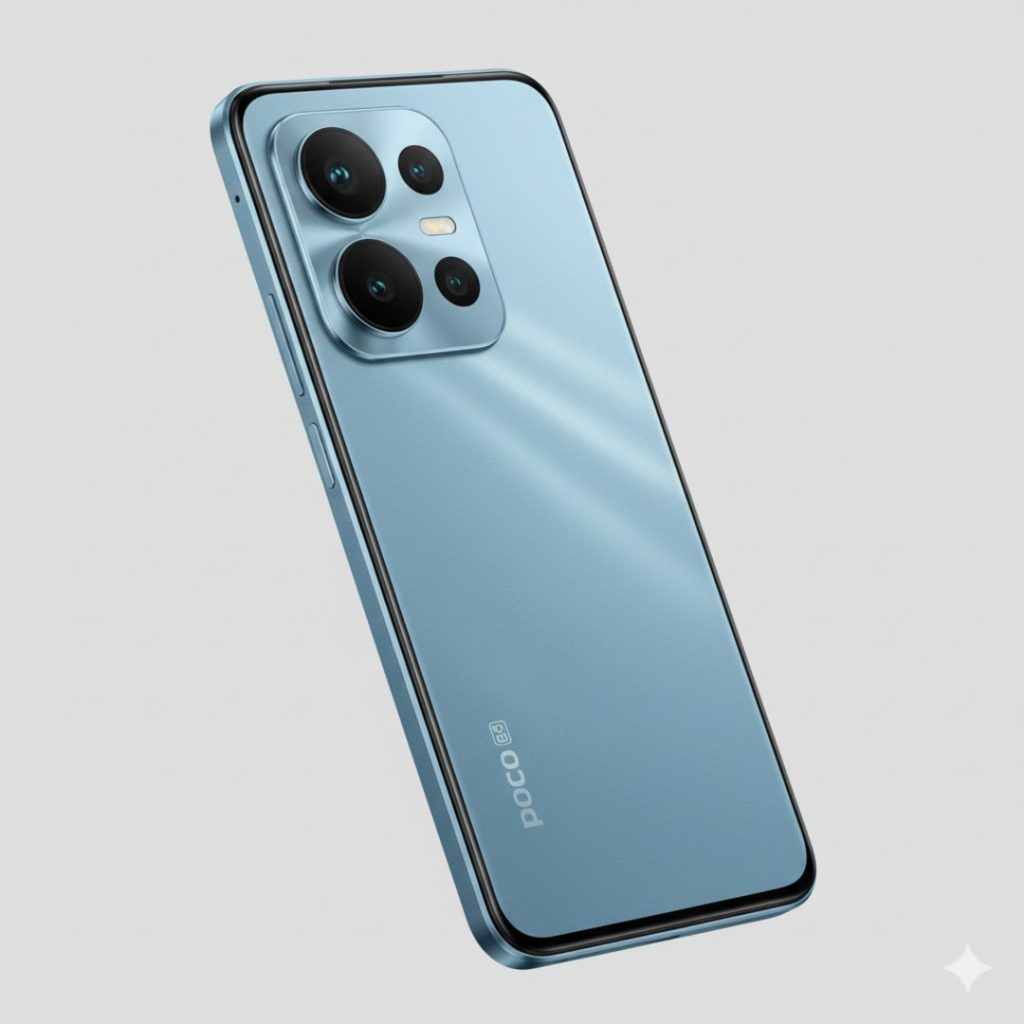
A high-quality hero shot of the Poco M8 5G in Glacial Blue.

QUICK SPECS TABLE

FeatureSpecification
ProcessorQualcomm Snapdragon 6 Gen 3 (4nm)
Display6.77-inch FHD+ Curved AMOLED, 120Hz, 3200 nits Peak
Rear Camera50MP Main (Light Fusion 400) + 2MP Depth
Front Camera20MP Selfie Camera
Battery5,520mAh Silicon-Carbon Battery
Charging45W Turbo Charging (Charger in box)
SoftwareHyperOS 2.0 (Android 15)
DurabilityIP66 Dust & Water Resistant, MIL-STD-810H
Weight / Thickness178g / 7.35mm

DESIGN & BUILD (Deep Dive)

Don’t waste your money if you want a small, “compact” phone. The Poco M8 5G is a tall device, but surprisingly, it’s one of the thinnest Poco phones ever at 7.35mm.

Poco has ditched the old “black bar” camera design for a new Squircle camera island. The back is high-quality polycarbonate, but the way it curves into the frame makes it feel significantly more expensive than it is. It weighs only 178g, which is impressive considering the battery size. Plus, with MIL-STD-810H certification, it’s built to survive the occasional “oops” moment on the pavement.

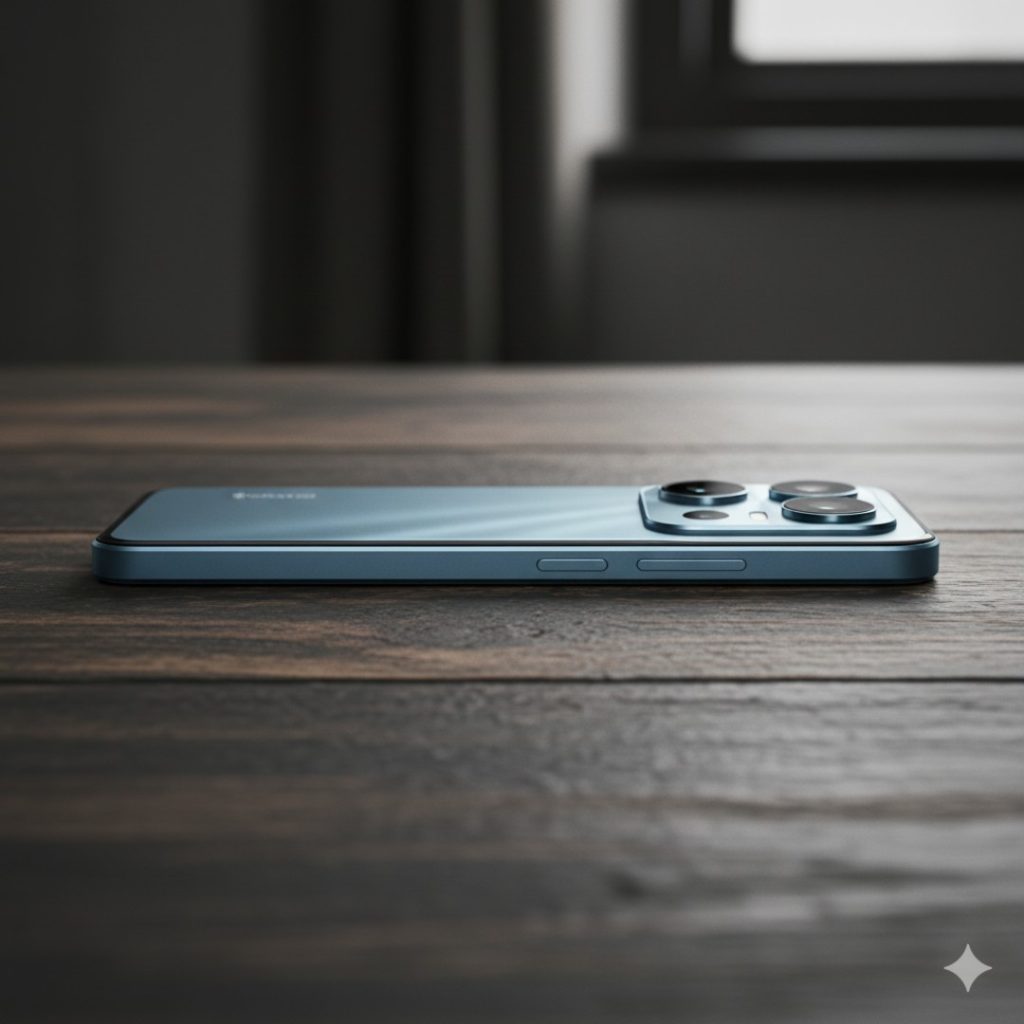
Side profile shot of the Poco M8 5G lying on a wooden desk.

DISPLAY & VISUALS

This is where Poco has absolutely destroyed the competition. In 2026, finding a 3D Curved AMOLED at this price is like finding a parking spot in Connaught Place on a Saturday—nearly impossible.

  • Brightness: It hits a peak of 3200 nits. In our outdoor test under the Delhi sun, the screen was perfectly readable.
  • Tech: It features Wet Touch 2.0, which means you can actually use the screen with wet fingers (perfect for the monsoon!).
  • PWM Dimming: At 3840Hz, your eyes won’t feel the strain during late-night Instagram scrolling.
Close-up of the Poco M8 5G screen showing a vibrant, colorful abstract wallpaper.

PERFORMANCE & GAMING/USAGE

Under the hood, we have the Snapdragon 6 Gen 3.

  • Daily Tasks: The HyperOS 2.0 (based on Android 15) is surprisingly fluid. App opening times are fast, and the 8GB LPDDR4X RAM handles multitasking without breaking a sweat.
  • Gaming: We tested BGMI and Genshin Impact. In BGMI, it stays steady at 60 FPS on “Smooth + Extreme” settings. It doesn’t get as hot as the older M-series, thanks to better thermal optimization.
  • The Catch: If you are a competitive gamer, you might miss the raw power of the Snapdragon 7-series, but for 90% of users, this chip is more than enough.

CAMERA: BETTER THAN EXPECTED?

Poco phones aren’t usually known for cameras, but the 50MP Light Fusion 400 sensor is a decent step up.

  • Daylight: The photos are sharp with natural colors. The “Poco processing” is now less aggressive, so skies don’t look neon blue anymore.
  • Video: You can shoot 4K at 30fps, which is a huge win since many competitors in this price range are still stuck at 1080p.
  • Selfies: The 20MP front camera is actually quite good for skin tones, though it still tries to “beautify” you by default.
Macro/Close-up shot of the Poco M8 5G camera module. High detail on the glass of the main 50MP lens.

BATTERY & ENDURANCE

Poco used Silicon-Carbon battery technology here, which allows for a larger capacity (5,520mAh) without making the phone bulky.

  • The Drain Test: We got 8.5 hours of Screen-on-Time (SoT). You can easily go from 8 AM to 11 PM and still have 20% left.
  • Charging: It supports 45W Turbo Charging.
    • 0-50% in 26 minutes.
    • 0-100% in roughly 58 minutes.
  • Bonus: It supports 18W wired reverse charging, so you can use your phone as a power bank to charge your TWS earbuds in an emergency.

Read more : Oppo A6 Pro 5G

THE COMPETITION

Poco M8 5G vs Redmi 15 vs Realme 14 Pro

FeaturePoco M8 5GRedmi 15Realme 14 Pro
Price (Base)₹18,999 (₹15,999 Offer)₹17,999₹19,999
DisplayCurved AMOLED (3200 nits)Flat AMOLED (2000 nits)Curved AMOLED
ChipsetSnapdragon 6 Gen 3Snapdragon 4s Gen 2Dimensity 7300
Battery5520mAh5000mAh5000mAh

The Winner: The Poco M8 5G wins on almost every front—it has the brightest screen, the largest battery, and the best durability (IP66). The only reason to pick the Realme 14 Pro is if you want slightly better gaming performance.

FINAL VERDICT

Buy it if:

  • You want a Premium Look: The curved display makes it look like a ₹40,000 phone.
  • You are an Outdoor User: The 3200 nits brightness is the best in its class.
  • You want Longevity: Poco is promising 4 years of OS updates and 6 years of security patches.

Skip it if:

  • You hate Curved Screens: Accidentally touching the edges can be annoying for some.
  • You are a Hardcore Pro Gamer: For ₹5k more, you can get much faster chips.
  • You want an Ultra-wide Lens: This phone only has one “real” camera; the 2MP depth sensor is useless.
Oppo A6 Pro 5G

Oppo A6 Pro 5G: The “Monster Battery” King Full Specs & India Price

The year 2026 has started with a bang in the Indian smartphone market, and Oppo is clearly playing the “Endurance” card. The Oppo A6 Pro 5G has just landed, and the headline feature is a staggering 7000mAh battery. Let’s be honest: most of us are tired of our phones dying by 6 PM. Oppo promises to fix that, but at a starting price of ₹21,999, is this phone a one-trick pony?

The real truth is that while the battery is a beast, Oppo has made some “interesting” choices with the display and processor that might make you think twice. If you are a hardcore gamer, you might want to look elsewhere. But if you are someone who drops their phone in the sink or forgets to charge for two days, this might be your dream device.

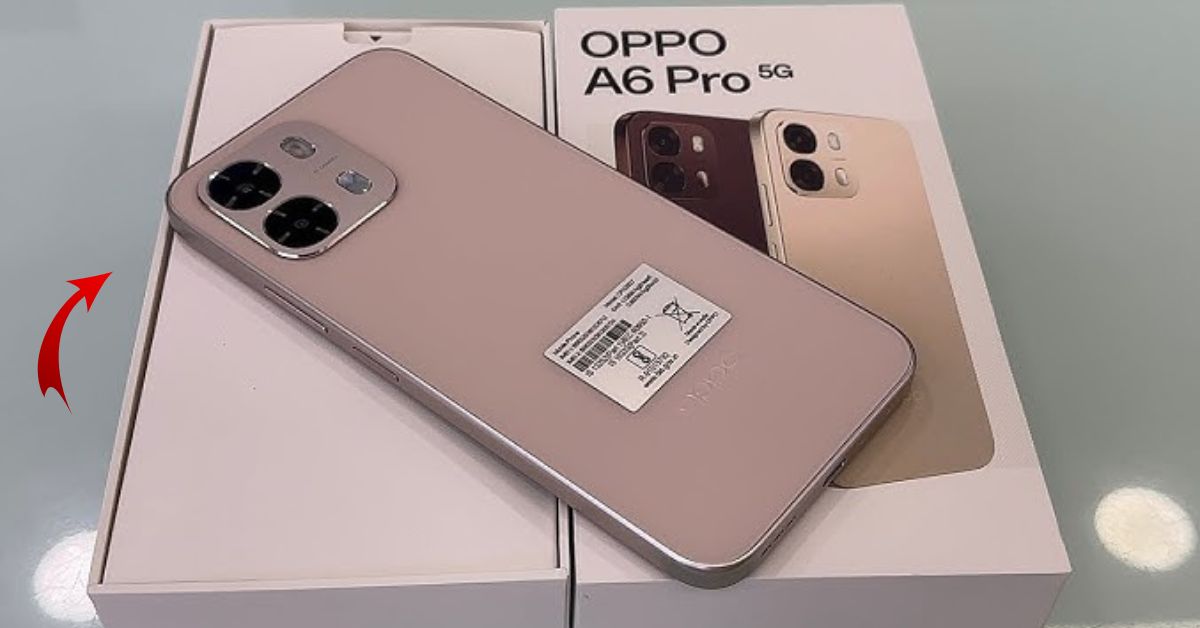
A high-quality hero shot of the Oppo A6 Pro 5G in Aurora Gold color.

QUICK SPECS TABLE

Before we dive deep, here is the “Bahi-Khata” (the ledger) of everything this phone offers:

FeatureSpecifications
ProcessorMediaTek Dimensity 6300 (4nm)
RAM/Storage8GB LPDDR4X
Display6.75-inch HD+ LCD, 120Hz Refresh Rate
Rear Camera50MP Main (f/1.8) + 2MP Monochrome
Front Camera16MP Selfie
Battery7000mAh (Silicon Carbon Technology)
Charging80W SuperVOOC (0-100% in ~64 mins)
DurabilityIP69, IP68, IP66 (Water & Dust Proof)
Weight216 grams
OSColorOS 15 based on Android 15

DESIGN & BUILD (Deep Dive)

Holding the Oppo A6 Pro 5G feels… substantial. At 216 grams, it’s definitely not a featherweight. However, considering there is a 7000mAh tank inside, Oppo has done a wizard-level job keeping it at 8.6mm thickness. It doesn’t feel like a brick, thanks to the curved edges and the “Cappuccino Brown” matte finish which hides fingerprints like a pro.

The most impressive part? The IP69 rating. This isn’t just “rain-proof”; it’s “high-pressure hot water jet” proof. You can literally wash this phone under a tap (though we don’t recommend making it a habit). It also features Military-Grade Shock Resistance, meaning it can survive those accidental “pocket-to-pavement” heart-attack moments.

Side profile shot of the Oppo A6 Pro 5G showing its slim 8.6mm build despite the large battery

DISPLAY & VISUALS

Now, here is where the “Don’t waste your money” part comes in for some of you. At ₹21,999, most competitors are offering vibrant AMOLED screens. Oppo, however, has gone with a 6.75-inch LCD panel.

Even worse? The resolution is only HD+ (720×1570 pixels). In 2026, seeing an HD+ screen above 20k feels like a step backward. While the 120Hz refresh rate makes scrolling smooth and the 1125 nits peak brightness makes it readable under the harsh Indian sun, the colors just don’t “pop” like they do on a Samsung or a Redmi. If you watch a lot of Netflix, you will miss those deep blacks.

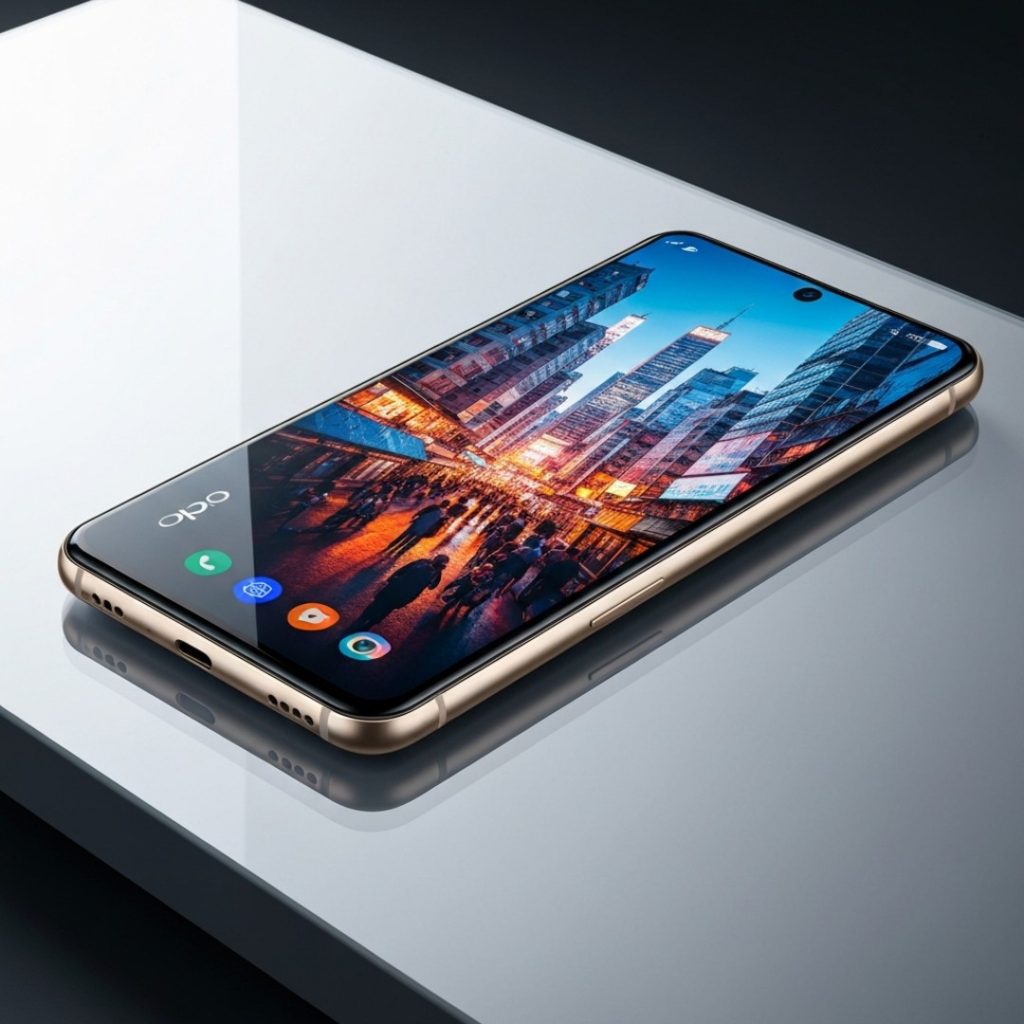
Close-up of the Oppo A6 Pro 5G screen displaying a vibrant 4K nature wallpaper with green forests and blue water.

PERFORMANCE & GAMING

The Oppo A6 Pro 5G is powered by the MediaTek Dimensity 6300. Let’s be blunt: this is a “daily driver” chipset, not a “gaming beast.”

  • Multitasking: With 8GB RAM, switching between Instagram, WhatsApp, and YouTube is buttery smooth.
  • Gaming: You can play BGMI or Free Fire at Medium settings. But if you try to push it to High/Ultra, you will see frame drops after 20 minutes.
  • Heating: Thanks to the 4nm architecture and a decent cooling system, the phone stays cool. Even after an hour of YouTube, it barely crosses 38°C.

CAMERA ANALYSIS

Oppo usually wins on cameras, but here they have kept it simple. You get a 50MP main sensor and a 2MP depth sensor.

  • Daylight: The photos are classic Oppo—bright, slightly beautified, and ready for Instagram. The dynamic range is decent, but it sometimes overexposes the sky.
  • Low Light: This is where the struggle starts. Without OIS (Optical Image Stabilization), night shots can be blurry if your hands shake even a little.
  • Selfies: The 16MP front camera is the star. It captures skin tones beautifully, though it still has that “Oppo glow” that makes everyone look like they just had a facial.
Close-up shot of the dual-camera module on the back of the Oppo A6 Pro 5G.

BATTERY & ENDURANCE: THE REAL SHOWSTOPPER

This is why you are here. The 7000mAh battery is a literal monster.

  • Real World Test: I used this phone for GPS navigation, 2 hours of calling, and endless scrolling. It lasted 2 full days and still had 15% left on the third morning.
  • Charging: Usually, big batteries take ages to charge. But the 80W SuperVOOC charger (included in the box!) takes it from 0 to 50% in just 28 minutes. A full charge takes about 64 minutes. This is industry-leading for a battery this size.

Read more : Oppo Reno 15 5G

THE COMPETITION

The Oppo A6 Pro 5G isn’t alone. Let’s see how it stacks up against the current 2026 heavyweights.

FeatureOppo A6 Pro 5GVivo Y400 5GNothing Phone (3a) Lite
Price₹21,999₹22,999₹20,999
Battery7000mAh6000mAh5000mAh
DisplayHD+ LCD (Weak)FHD+ AMOLEDFHD+ AMOLED
Charging80W44W45W
IP RatingIP69 (Best)IP64IP54

The Winner: * For Battery & Rough Use: Oppo A6 Pro 5G wins hands down.

  • For Screen & Content: Vivo Y400 or Nothing are better choices.

FINAL VERDICT

Buy it if:

  • You are a field worker, traveler, or student who can’t charge their phone frequently.
  • You are clumsy and need a phone that can survive water and drops.
  • You want the fastest charging for the biggest battery in this segment.

Skip it if:

  • You are a mobile gamer (The Dimensity 6300 isn’t enough).
  • You want a crisp display for watching movies (HD+ LCD is a letdown).
  • You need an Ultrawide camera (This phone only has one usable lens).
Oppo Reno 15

Oppo Reno 15 5G Review: The Ultra-Premium Mid-Ranger 3.5x Telephoto & AI Portrait Glow

Let’s be honest: for years, the Oppo Reno series was known more for its “glittery backs” than its “gutsy performance.” But the real truth is, 2026 has changed the game. Launched on January 8, 2026, the Oppo Reno 15 5G has arrived with a starting price of ₹45,999, and it’s no longer just a “pretty face.”

With an industry-first HoloFusion design, a massive 6500mAh battery squeezed into a slim body, and a camera sensor that sounds like it belongs on a telescope, Oppo is aiming straight for the premium segment. But in a market where the OnePlus 15R and Vivo V40 are breathing down its neck, is the Reno 15 actually worth your hard-earned cash, or is it just more marketing fluff? We spent 72 hours stress-testing it to give you the bottom line.

A high-quality hero shot of the Oppo Reno 15 5G in Aurora Blue.

QUICK SPECS TABLE

FeatureSpecification
ProcessorQualcomm Snapdragon 7 Gen 4 (4nm)
Display6.59-inch 1.5K AMOLED, 120Hz, 3600 nits Peak Brightness
Rear Camera50MP Main (OIS) + 50MP Periscope (3.5x Optical) + 8MP Ultra-wide
Front Camera50MP Golden Selfie Camera
Battery6,500mAh Silicon-Carbon Battery
Charging80W SUPERVOOC Flash Charge
SoftwareColorOS 16 (Android 16)
BuildAerospace-grade Aluminium, IP69 Rating
Weight / Thickness197g / 7.8mm

DESIGN & BUILD (Deep Dive)

Don’t waste your money if you want a small, feather-light phone. While the Reno 15 is relatively slim at 7.8mm, it has a reassuring heft at 197g. This is due to the new Aerospace-grade Aluminium frame and that gigantic battery.

The “HoloFusion” texture on the back is the real showstopper. It creates a 3D depth effect that makes the Aurora Blue variant look like it’s filled with moving liquid. But it’s not just about looks; the phone is built like a tank. It carries an IP69 rating, meaning it can withstand high-pressure, high-temperature water jets. You could literally take this phone into a hot shower (though we don’t recommend it!).

Side profile shot of the Oppo Reno 15 5G held in a hand to show its 7.8mm thickness.

DISPLAY & VISUALS

The Reno 15 features a 6.59-inch 1.5K AMOLED panel that is simply stunning.

  • Peak Brightness: It hits a staggering 3600 nits. In our direct sunlight test in Mumbai, the screen was as clear as if we were indoors.
  • Eye Comfort: Oppo has introduced “Circadian Friendly” dimming, which reduces blue light automatically as the sun sets.
  • Durability: Protected by Corning Gorilla Glass 7i, it’s significantly more scratch-resistant than previous generations.
Close-up of the Oppo Reno 15 screen displaying a high-resolution wallpaper of a colorful galaxy.

PERFORMANCE & GAMING/USAGE

Powering the device is the Snapdragon 7 Gen 4. While it’s not a flagship “8-series” chip, don’t let that fool you.

  • AnTuTu Score: It consistently hits the 950,000+ mark.
  • Gaming Test: We played BGMI at “Ultra HDR” settings, and it maintained a steady 90 FPS for the first 40 minutes.
  • Thermal Management: The phone does get warm around the camera module during heavy sessions (reaching 42.5°C), but the Aerospace cooling system prevents any major frame drops.
  • Multitasking: With 12GB of LPDDR5X RAM, we kept 25 apps open in the background, and none of them restarted.

CAMERA: THE PORTRAIT KING?

Oppo claims the Reno 15 is “The Portrait Expert,” and for once, the hardware backs it up.

  • The Main Sensor: A 50MP Sony LYT series sensor with OIS. Daylight shots are punchy with excellent dynamic range.
  • The Periscope Lens: The 50MP 3.5x Periscope Telephoto is the star. It allows for “Professional Grade” portraits at an 85mm equivalent focal length. The bokeh (background blur) looks natural, not like a cheap software filter.
  • Selfies: The 50MP front camera now features AI Golden Ratio technology, which subtly adjusts facial proportions to look more balanced in wide-angle group shots.
Macro shot of the Oppo Reno 15 camera module. It features a triple lens setup with a prominent periscope square lens.

BATTERY & ENDURANCE

This is where the Reno 15 destroys the competition. How they fit a 6,500mAh battery into a 7.8mm phone is engineering magic.

  • Real-World Test: On a full charge, we got 11 hours of Screen-on-Time (SoT). That is nearly two days of moderate use.
  • Charging Speed: It supports 80W SUPERVOOC.
    • 1-50%: 24 minutes.
    • 1-100%: 62 minutes.
  • Battery Health: Oppo claims the battery will retain 80% health even after 1,600 charge cycles (about 4 years of use).

Read more : Redmi Note 15 5G 

THE COMPETITION (Auto-Selected Rivals)

Oppo Reno 15 5G vs OnePlus 15R vs Vivo V40 Pro

FeatureOppo Reno 15OnePlus 15RVivo V40 Pro
Price₹45,999₹47,999₹49,999
Battery6500mAh5500mAh5500mAh
Primary Cam50MP + 50MP Periscope50MP LYT-80850MP Zeiss Optics
Charging80W100W80W
ChipsetSnapdragon 7 Gen 4Snapdragon 8s Gen 3Dimensity 9300+

The Verdict on Rivals:

If you want raw gaming power, the OnePlus 15R wins with its 8-series chip. If you want cinematic video, the Vivo V40 Pro with Zeiss optics is superior. However, for battery life and portrait photography, the Oppo Reno 15 is the undisputed champion. It’s the most “balanced” premium phone of the three.

FINAL VERDICT

Buy it if:

  • You are a Battery Anxiety sufferer: This is the longest-lasting premium phone in India right now.
  • You love Portrait Photography: The 3.5x periscope lens produces social-media-ready shots every time.
  • You want a “Tough” Phone: The IP69 rating and Aerospace Aluminium mean this phone can survive a rough life.

Skip it if:

  • You want 4K 120FPS video: The Reno 15 is capped at 4K 60FPS.
  • You prefer “Stock” Android: ColorOS 16 is feature-rich but comes with a fair share of pre-installed apps.
  • You are a Pro Gamer: While it handles games well, there are faster “performance-first” phones at this price.
Xiaomi Redmi Note 15 5G

Redmi Note 15 5G Review: The Real Truth About Xiaomi’s 2026 Game Changer

The “Note” series has always been the bread and butter for Xiaomi in India. But let’s be honest—lately, the competition from brands like Realme and Motorola has been brutal. The real truth is, Xiaomi needed a home run to start 2026, and the Xiaomi Redmi Note 15 5G is their answer.

Launched on January 6, 2026, with a starting price of ₹22,999, this phone isn’t just a minor spec bump. It is officially the slimmest and lightest Redmi Note ever made. But in a market where everyone is offering “flagship killers,” does a slim design and a 108MP camera justify the price hike? We spent a week with the Mist Purple variant to find out.

A high-quality hero shot of the Xiaomi Redmi Note 15 5G in Mist Purple.

QUICK SPECS TABLE

FeatureSpecification
ProcessorQualcomm Snapdragon 6 Gen 3 (4nm)
Display6.77-inch Curved AMOLED, 120Hz, 3200 nits Peak Brightness
Rear Camera108MP (Samsung HM9, OIS) + 8MP (Ultra-wide)
Front Camera20MP Selfie Shooter
Battery5,520mAh Silicon-Carbon (EV-grade)
Charging45W Turbo Charging
SoftwareHyperOS 2 (Android 15)
Weight/Thickness178g / 7.35mm
IP RatingIP66 (Dust & Water Resistant)
Launch Price₹22,999 (8/128GB)

DESIGN & BUILD (Deep Dive)

Don’t waste your money if you are looking for a rugged, bulky tank. The Redmi Note 15 5G is built for the fashion-forward user. At just 7.35mm thin, it feels incredibly sleek. Xiaomi has finally brought the 3D Curved Display to the base “Note” model, which was previously reserved for the ‘Pro’ and ‘Pro+’ variants.

The back panel is where the magic happens. The Mist Purple version we tested features a “wave-like” pattern that shifts under light. It’s a head-turner, but it’s also practical. The curved edges mean the phone doesn’t dig into your palms. Surprisingly, despite the thinness, they’ve managed to keep the IR Blaster at the top—a classic Xiaomi touch that many of us still love.

Side profile shot of the Redmi Note 15 5G lying on a modern wooden desk.

DISPLAY & VISUALS

The screen is arguably the biggest upgrade this year. We are looking at a 6.77-inch Curved AMOLED panel.

  • Outdoor Visibility: In our testing under the harsh 12:00 PM Delhi sun, the 3200 nits peak brightness was a lifesaver. You won’t be squinting to read a WhatsApp message here.
  • Color Accuracy: It supports 100% DCI-P3 color gamut. Movies on Netflix look vibrant, with deep blacks that only an AMOLED can provide.
  • The “Wet” Factor: Xiaomi introduced Wet Touch 2.0. We tested this by splashing some water on the screen and trying to type. While it’s not perfect, it’s significantly better than previous years where a single drop of rain would make the ghost-touches go wild.

PERFORMANCE & GAMING/USAGE

Under the hood, we have the Snapdragon 6 Gen 3. Now, let’s talk real numbers. In our AnTuTu v10 test, it scored around 626,000.

  • Daily Tasks: Switching between Instagram, Slack, and Chrome is buttery smooth. HyperOS 2 feels much lighter than the old MIUI days.
  • Gaming: We played BGMI and Genshin Impact. In BGMI, you can easily hit a stable 60 FPS on “Smooth + Extreme” settings. However, after about 40 minutes of gaming, the area near the camera module does get warm (around 41°C). It’s not “hot,” but you’ll feel it.
  • Longevity: Xiaomi is promising 4 years of OS updates and 6 years of security patches. This is a massive win for someone who doesn’t want to change their phone every two years.

CAMERA / OPTICS

The star of the show is the 108MP Samsung HM9 sensor with OIS. This is the first time this specific sensor is appearing in this segment.

  • Daylight: The details are crisp. If you zoom into a photo of a building, you can actually read the signs far away.
  • Low Light: The OIS (Optical Image Stabilization) does its job. Night mode takes about 2 seconds to process, but the results are clean with minimal noise.
  • The “Weak” Link: The 8MP ultra-wide is just… okay. It’s useful for landscape shots, but the color temperature is slightly different from the main 108MP sensor.
Extreme close-up macro shot of the Redmi Note 15 5G’s circular camera module

BATTERY & ENDURANCE

Xiaomi used an EV-grade Silicon-Carbon battery this time. This tech allows them to cram a 5,520mAh capacity into that tiny 7.35mm body.

  • The 0-100% Test: Using the inbox 45W charger, the phone went from 0 to 50% in exactly 28 minutes. A full charge took about 68 minutes.
  • Real World Usage: On a heavy day with 5G enabled, 2 hours of YouTube, and 1 hour of gaming, we still ended the day with 15% battery left. Most users will easily get 1.5 days out of this.

Read more : Oppo Reno 14 Pro 5G

THE COMPETITION (Auto-Selected Rivals)

Redmi Note 15 5G vs Realme P4 5G vs Samsung Galaxy M36 5G

FeatureRedmi Note 15 5GRealme P4 5GSamsung M36 5G
Price₹22,999₹17,999₹18,999
Display3200 nits Curved AMOLED2000 nits AMOLED1000 nits Super AMOLED
ChipsetSnapdragon 6 Gen 3Dimensity 7050Exynos 1380
Camera108MP (OIS)50MP50MP (OIS)

The Verdict on Rivals:

The Realme P4 is cheaper, but it feels like a toy compared to the premium build of the Redmi Note 15. The Samsung M36 has better software (One UI), but the charging speed (25W) is painfully slow in 2026. The Winner is the Redmi Note 15 5G because it offers the best “premium feel” and display in this bracket.

FINAL VERDICT

Buy it if:

  • You want the best-looking phone under ₹25k. The slim design is unbeatable.
  • You consume a lot of content. The 3200 nits curved display is a treat for Netflix.
  • You want a phone that lasts. 6 years of security updates is industry-leading at this price.

Skip it if:

  • You are a hardcore competitive gamer. Look at the iQOO Z-series instead for raw power.
  • You hate curved screens. They look great but can be prone to accidental touches.
  • You want the fastest charging. 45W is good, but competitors offer 80W.
Oppo Reno 14 Pro 5G

Oppo Reno 14 Pro 5G (2026): The Real Truth Behind the 6200mAh Battery King

Let’s be honest—Oppo has always been the “lifestyle” brand. But in 2026, with the launch of the Oppo Reno 14 Pro 5G, they are trying to prove they aren’t just about pretty back panels and selfie filters. Starting at a competitive price of ₹49,999, this phone targets the premium mid-range crowd that wants a mix of “looks” and “long-lasting power.”

The real truth is, the market is crowded with “Pro” models, and most of them are just incremental upgrades. However, Oppo has made a massive bet this year on Battery Density and Portrait Photography. But before you swipe your credit card, you need to know if that 6200mAh battery makes it a “brick” or a “brick-breaker.”

A high-quality hero shot of the Oppo 14 Pro 5G in Pearl White

QUICK SPECS TABLE: The Numbers Matter

FeatureSpecification
ProcessorMediaTek Dimensity 8450 (4nm)
Display6.83-inch LTPS AMOLED, 1.5K Resolution
Refresh Rate120Hz (Dynamic)
RAM12GB LPDDR5X
Storage256GB / 512GB UFS 3.1
Rear Camera50MP (Main) + 50MP (UW) + 50MP (Telephoto 3.5x)
Front Camera50MP Samsung JN5
Battery6,200 mAh (Silicon Carbon)
Charging80W SuperVOOC Wired / 50W Wireless
DurabilityIP68 / IP69 Water & Dust Resistance

DESIGN & BUILD: Premium Feel or Plastic Gimmick?

Oppo hasn’t played it safe here. The 14 Pro 5G uses a quad-curved design that makes the 6.83-inch screen feel smaller than it is. Despite the humongous battery, the phone is surprisingly slim at 7.5mm.

The real highlight is the Titanium Grey finish, which mimics the look of the iPhone 17 series but with a unique Oppo flair. It weighs 201 grams—heavy enough to feel premium, but not so heavy that it gives you wrist fatigue. The in-hand feel is buttery smooth, though we highly recommend using the included TPU case because the back is quite slippery.

Side profile shot of the Oppo 14 Pro 5G showing its incredibly slim 7.5mm frame

DISPLAY & VISUALS: The 1.5K Reality

The screen is a 1.5K AMOLED panel with 450 PPI density. While Samsung and Apple are pushing 4K-ish resolutions, Oppo’s 1.5K is the “sweet spot” for battery efficiency.

  • Outdoor Visibility: We tested this at 12 PM in Mumbai, and at 1200 nits typical brightness, you won’t struggle to read your WhatsApp messages.
  • Bezels: These are razor-thin (1.15mm), giving it a 93.6% screen-to-body ratio. It’s almost all-screen.
  • Eye Care: It features 2160Hz PWM Dimming, which is a lifesaver if you spend hours scrolling through Instagram at night.
Close-up of the Oppo 14 Pro 5G screen showing a vibrant abstract wallpaper with neon greens and purples.

PERFORMANCE & GAMING: Dimensity 8450 Stress Test

Don’t let the “MediaTek” name fool you. The Dimensity 8450 is a 4nm powerhouse that rivals the Snapdragon 8 Gen 3 from last year.

In our Antutu v11 test, the Oppo 14 Pro 5G scored a massive 1.61 Million points.

  • Gaming: We played BGMI and Genshin Impact. In BGMI, it holds a steady 90 FPS on “Smooth” graphics.
  • Multitasking: With 12GB of RAM, we kept 25 apps open in the background, including heavy ones like YouTube and Chrome, and there was zero lag.
  • Heating: The phone uses an “Ultra-thin Vapor Chamber.” It stayed under 41°C even after 40 minutes of intense gaming.

CAMERA SYSTEM: The Portrait King?

Oppo calls this their “Camera-Centric” flagship for a reason. All three sensors on the back are 50MP.

  1. Main (50MP): Uses an OmniVision sensor that captures great dynamic range.
  2. Telephoto (50MP): This is the star. It gives you 3.5x Optical Zoom, which is perfect for portraits with natural background blur (bokeh).
  3. Front (50MP): Hands down the best selfie camera in the sub-₹60k segment.

Don’t waste your money if you are expecting 100x Space Zoom. The digital zoom here caps out at 120x, but honestly, anything past 10x looks like a watercolor painting.

Macro close-up of the Oppo 14 Pro 5G camera module

BATTERY & ENDURANCE: The 6200mAh Monster

This is the main reason to buy this phone. Most flagships give you 5000mAh. Oppo gave us 6200mAh by using Silicon-Carbon technology.

  • Real-world drain: After a full day of 5G usage, 2 hours of YouTube, and some photography, we still had 35% battery left at 11 PM.
  • Charging: It charges 0-100% in about 48 minutes with the 80W SuperVOOC. It’s not the fastest in the world (some phones do it in 20 minutes), but for a battery this big, it’s impressive.

Read more : Nothing Phone 4 Ultra 5G

THE COMPETITION: Battle of the Mid-Premium Segment

Oppo 14 Pro 5G (₹51,999) vs. OnePlus 15R (₹47,999) vs. Samsung Galaxy S25 FE (₹59,999).

FeatureOppo 14 ProOnePlus 15RSamsung S25 FE
Battery6200 mAh5500 mAh4800 mAh
Selfie50 MP16 MP12 MP
BuildIP69IP65IP68
WinnerBattery & BuildValue/PriceBrand Value

The Verdict: The Oppo 14 Pro 5G wins if you are a heavy traveler or a content creator who hates carrying a power bank. The OnePlus 15R is slightly faster, but its battery and camera aren’t on the same level.

FINAL VERDICT: Should You Buy It?

Buy it if:

  • You want the best battery life in a slim phone.
  • You are a selfie/portrait enthusiast (the 50MP front cam is insane).
  • You live an active life (the IP69 rating means it can handle high-pressure hot water jets).

Skip it if:

  • You want Stock Android (ColorOS 15 is feature-rich but has some “suggested apps”).
  • You want UFS 4.0 storage (it uses UFS 3.1, which is fast, but not the absolute latest).
  • You are a hardcore pro-photographer looking for 10x optical zoom.
Nothing Phone 4 Ultra 5G

Nothing Phone 4 Ultra 5G (2026): The Real Truth Behind the “Ultra” Hype

The year 2026 has been a wild ride for tech enthusiasts. While Apple and Samsung are busy refining their titanium frames, Nothing has pulled a massive rabbit out of its transparent hat. The Nothing Phone 4 Ultra 5G isn’t just another smartphone; it’s Carl Pei’s statement of war against the “boring” flagship market.

Priced expectedly at ₹74,999, this device bridges the gap between the mid-range “a” series and the super-premium elites. But the real truth is, most people are buying it for the Glyph Matrix 2.0 and the promised Snapdragon 8 Elite (or Gen 5) performance. Is it worth your hard-earned money, or is it just a glorified flashlight? Let’s dive deep.

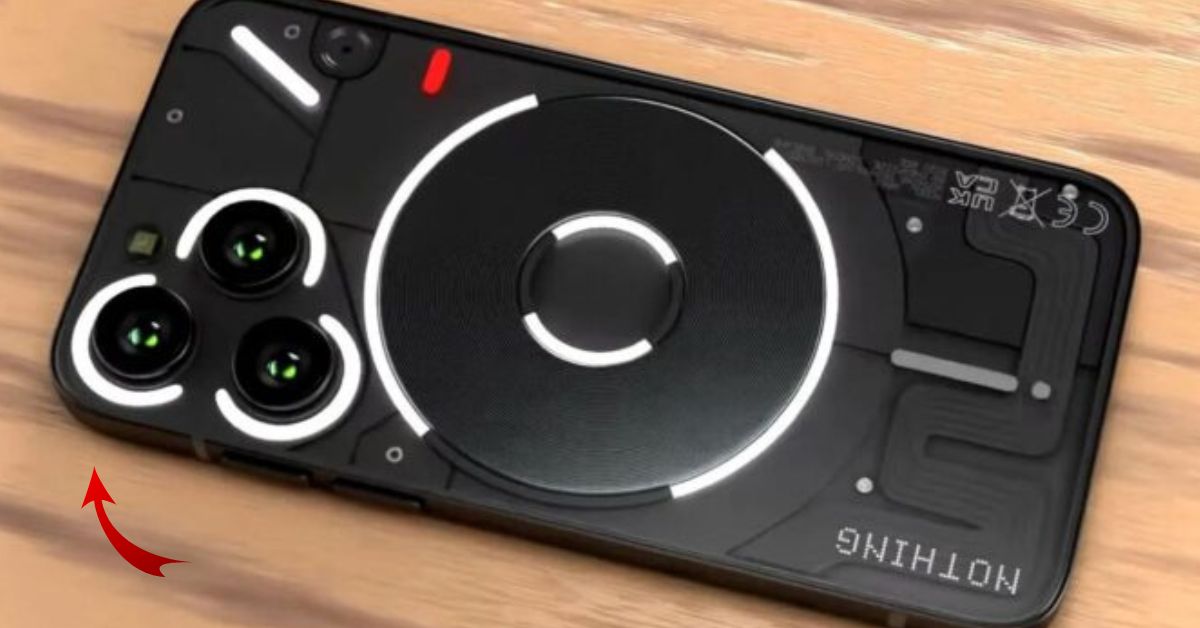
A high-quality hero shot of the Nothing Phone 4 Ultra 5G 2026.

QUICK SPECS TABLE: Everything Under the Hood

FeatureSpecification
ProcessorQualcomm Snapdragon 8 Elite (3nm)
Display6.88-inch LTPO AMOLED, 1-144Hz
Brightness4500 Nits Peak
RAM12GB / 16GB LPDDR5X
Storage256GB / 512GB UFS 4.1
Rear Camera50MP (Main) + 50MP (UW) + 64MP (Periscope 5x)
Front Camera50MP Wide Angle with Center Stage
Battery5,500 mAh (Lithium-Silicon)
Charging90W Wired / 45W Wireless
OSNothing OS 4.0 (Android 16)

DESIGN & BUILD: The Transparent Evolution

Nothing has finally moved away from the “toy-like” feel of the 2a series. The Phone 4 Ultra feels dense. We’re talking about a Grade 5 Titanium frame integrated with the signature transparent glass back. The in-hand feel is premium, slightly heavy at 215g, but the rounded edges ensure it doesn’t dig into your palm.

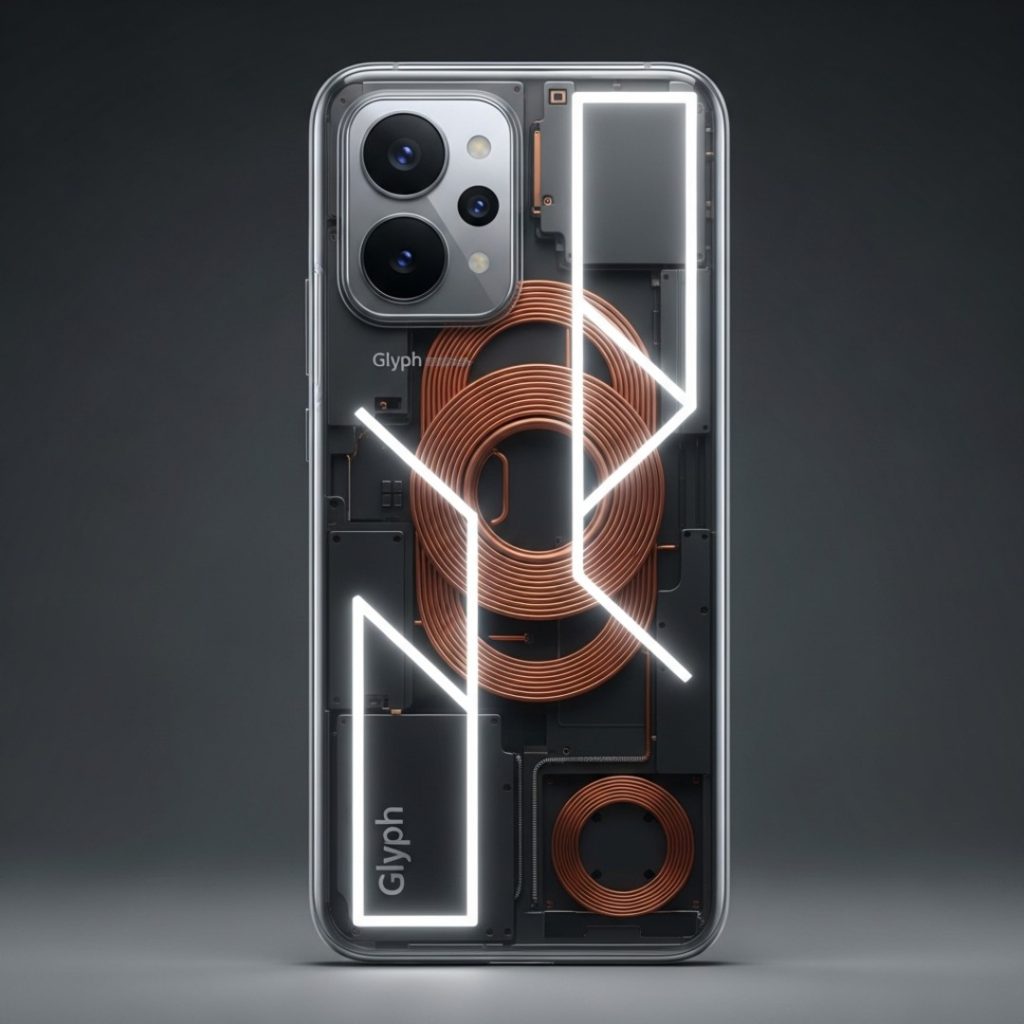
The Glyph Interface has evolved into a “Matrix” setup. Instead of just strips, you now have a localized LED grid that can display pixel-art notifications or even a countdown timer for your Uber. It’s cool, but let’s be honest: you’ll probably show it off for two days and then forget about it.

Side profile shot of the Nothing Phone 4 Ultra 5G showing the brushed titanium frame and the tactile power button with a red accent.

DISPLAY & VISUALS: Brighter Than Your Future?

The screen on the Phone 4 Ultra is a beast. We tested it under the harsh Delhi sun, and at 4500 nits peak brightness, the outdoor visibility is flawless. Nothing is using a BOE-made LTPS AMOLED panel that supports a 144Hz refresh rate.

  • Color Accuracy: Delta E < 0.8 (Cinema Grade).
  • PWM Dimming: 3840Hz (Zero eye strain in dark rooms).
  • Protection: Panda Glass 2 (Nothing claims it’s 3x tougher than Victus).
Close-up of the Nothing Phone 4 Ultra screen showing a vibrant, high-contrast wallpaper with deep blacks and neon oranges.

PERFORMANCE & GAMING: No More Lagging

The real upgrade in 2026 is the Snapdragon 8 Elite chipset. In our stress tests, the Phone 4 Ultra handled Genshin Impact at 60FPS on Max settings for over two hours with zero frame drops.

Heating? Nothing has introduced a “Vapor Shield” cooling system. The phone hits about 42°C during heavy gaming, which is warm but not “Samsung-hot.” Multitasking is a breeze with 16GB of RAM; you can keep 40+ apps open without the OS killing them.

CAMERA ANALYSIS: Finally, a Periscope!

For years, Nothing fans begged for a zoom lens. The 4 Ultra finally delivers a 64MP Periscope lens with 5x Optical and 100x Digital zoom.

  • Daylight: The 50MP Sony LYT-808 main sensor produces natural colors. It doesn’t over-saturate like Samsung.
  • Night Mode: The AI-powered “ClearSight” tech reduces grain significantly.
  • Video: 8K at 30FPS is now supported, with stabilization that rivals the iPhone 17 Pro Max.
Macro close-up shot of the Nothing Phone 4 Ultra triple camera module.

BATTERY & ENDURANCE: The 0-100% Reality

Nothing ditched the standard batteries for a 5,500 mAh Lithium-Silicon cell. This allows the phone to stay slim while packing more juice.

  • Screen On Time (SOT): We consistently got 8.5 hours on heavy 5G usage.
  • Wired Charging: 0-50% in just 18 minutes using the 90W PD charger (sold separately, obviously).
  • Wireless: The 45W wireless charging is actually usable now, hitting 100% in about 55 minutes.

Read more : OnePlus Nord 5 5G

THE COMPETITION: Battle of the 2026 Titans

In the ₹70k – ₹90k segment, the Nothing Phone 4 Ultra faces stiff competition.

Nothing Phone 4 Ultra vs. Samsung Galaxy S26 Ultra vs. OnePlus 14 Pro

FeatureNothing 4 UltraSamsung S26 UltraOnePlus 14 Pro
Price₹74,999₹1,34,999₹69,999
BuildTitanium + GlassTitanium + GorillaCeramic + Glass
Main Cam50MP LYT-808200MP ISOCELL50MP Sony
OSNothing OS (Clean)One UI (Features)Oxygen OS (Fast)

The Winner: If you want value and style, the Nothing Phone 4 Ultra wins. If you need the S-Pen and 100x zoom clarity, Samsung is still king, but you’ll pay double the price.

FINAL VERDICT: Should You Buy It?

Buy it if:

  • You are bored of phones that look like glass bricks.
  • You want a clean, bloatware-free Android experience (Nothing OS 4.0 is beautiful).
  • You need flagship performance without spending 1.3 Lakh.

Skip it if:

  • You hate the transparent aesthetic (it’s a fingerprint magnet).
  • You want the absolute best telephoto camera (Samsung S26 Ultra still wins there).
  • You are deeply tied into the Apple Ecosystem.
OnePlus Nord 5 5G

OnePlus Nord 5 5G Review (2026): The Real Truth About the 6,800mAh Battery King!

Let’s get one thing straight: the mid-range market in India is a battlefield in 2026. Every brand is shouting about AI this and Megapixel that. But the OnePlus Nord 5 5G has arrived with a very specific promise: Unmatched Endurance. Starting at ₹31,999, this phone isn’t just a “pretty face.” It packs a battery so large (6,800mAh) that it makes most flagships look like toys. But the real truth is, a big battery doesn’t always mean a better phone. As a tech journalist who has seen the rise and fall of the Nord series, I’m here to tell you where this phone shines and where it’s just marketing fluff.

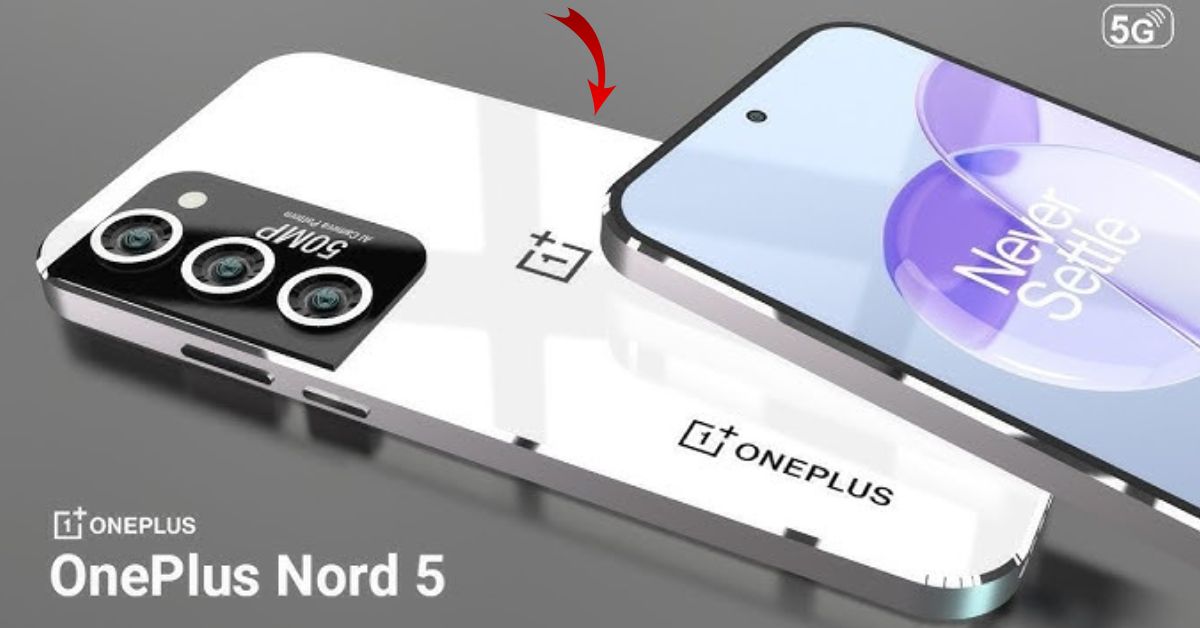
A high-quality hero shot of the OnePlus Nord 5 5G in the ‘Dry Ice’ color.

QUICK SPECS TABLE: The Hardware Blueprint

FeatureSpecification
ProcessorQualcomm Snapdragon 8s Gen 3 (4nm)
Display6.83-inch Swift AMOLED, 1.5K Resolution
Refresh Rate144Hz (Manual) / 120Hz (Adaptive)
RAM8GB / 12GB LPDDR5X
Storage256GB / 512GB UFS 3.1
Rear Camera50MP Sony LYT-700 (OIS) + 8MP Ultra-Wide
Front Camera50MP Samsung JN5 (with 4K 60fps support)
Battery6,800 mAh Silicon-Carbon
Charging80W SuperVOOC (0-100% in ~54 mins)
IP RatingIP65 Dust & Water Resistant

DESIGN & BUILD: A Glass “Brick” with Purpose

The Nord 5 5G marks a return to glass, moving away from the metal-like experimentation of the Nord 4. It feels substantial. At 211 grams, it is definitely on the heavier side. If you are coming from a slim phone like a Vivo or Motorola, you will feel the weight in your pocket.

  • In-Hand Feel: The edges are flat, but slightly rounded where the glass meets the frame, so it doesn’t dig into your palms.
  • The Plus Key: OnePlus has introduced a new “Plus Key” instead of the beloved Alert Slider. It’s a customizable button that lets you launch AI tools or specific apps. Honestly? I still miss the physical slider.
  • Build Quality: It uses Gorilla Glass 7i, which is tough, but the frame is plastic. Don’t be fooled by the metallic paint—it’s high-quality polycarbonate.
Side profile shot of the OnePlus Nord 5 5G resting on a clean wooden desk next to a pair of wireless earbuds

DISPLAY & VISUALS: 144Hz of Pure Fluidity

OnePlus calls this the “Swift AMOLED” panel. It’s a 6.83-inch monster with a 1.5K resolution.

  • The 144Hz Gimmick: While the box screams 144Hz, the truth is that it stays at 120Hz most of the time. You have to manually force 144Hz in the settings, and yes, your battery will take a 10-15% hit.
  • Brightness: With 1800 nits peak brightness, it’s great for Delhi summers, but rivals like iQOO are now hitting 4000+ nits. Still, for 90% of people, 1800 nits is more than enough.
  • Aqua Touch 2.0: This is a lifesaver. If you’re using the phone with sweaty hands or in a light drizzle, the screen actually works without those annoying ghost touches.
Close-up of the OnePlus Nord 5 5G screen displaying a vibrant, high-contrast wallpaper with deep blacks and neon blues.

PERFORMANCE & GAMING: The 8s Gen 3 Reality Check

OnePlus chose the Snapdragon 8s Gen 3. It’s a powerful chip, but don’t confuse it with the “8 Gen 3” or the newer “8s Gen 4.”

  • Gaming Test: In BGMI, you can easily hit Steady 120 FPS on Smooth + Extreme+ settings. We pushed it for 3 hours straight; the phone got warm (around 42°C) but never throttled.
  • Multitasking: With OxygenOS 15 and 12GB of RAM, this phone is a beast. You can keep 20+ apps open without the system killing them.
  • Software: You get 4 years of Android updates and 6 years of security patches. In 2026, that is the gold standard for mid-range.

CAMERA ANALYSIS: For the “Selfie” Generation

The Nord series was never meant to beat the Samsung Ultra or the Pixel. However, the Nord 5 makes a massive jump in the Selfie department.
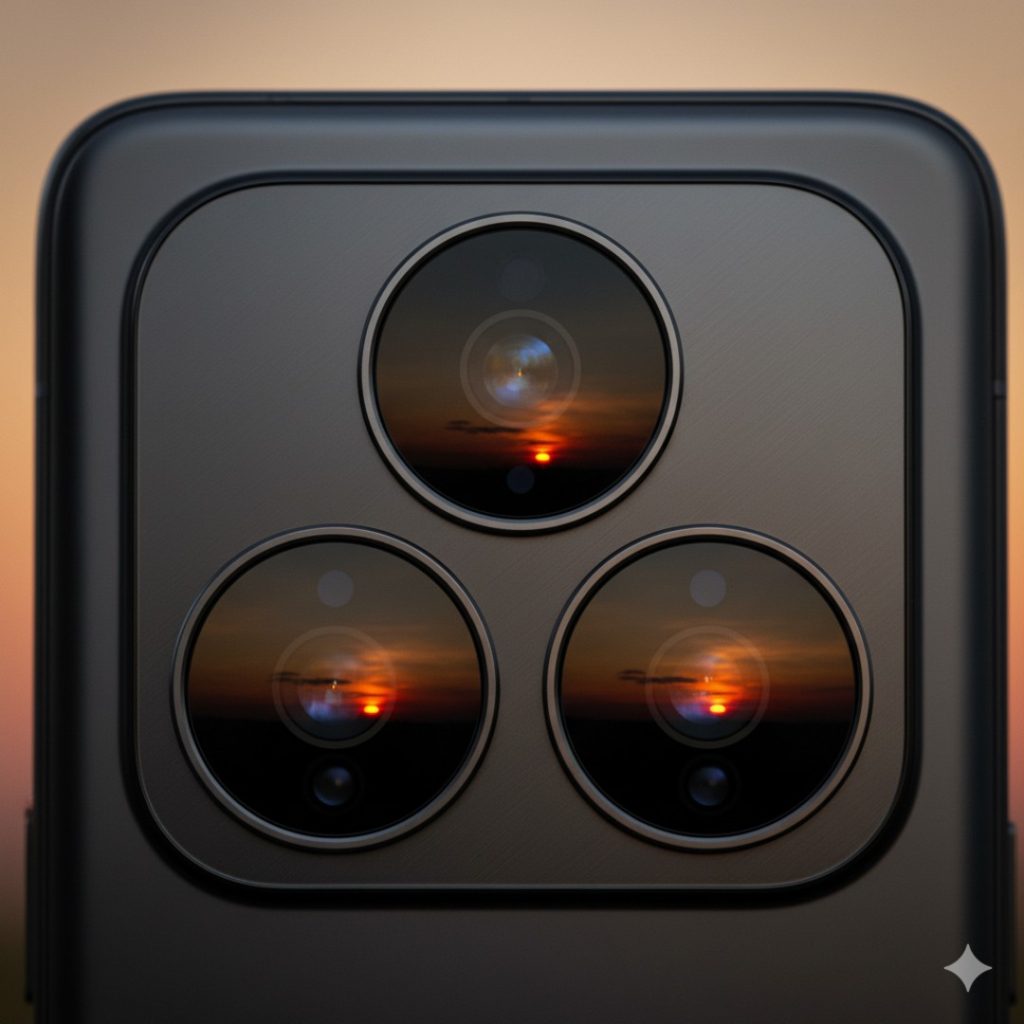
  • Main Sensor (50MP): The Sony LYT-700 captures great daylight shots with natural colors. It doesn’t over-saturate Indian skin tones, which I appreciate.
  • The “Star” Selfie Cam: The 50MP front camera is the real winner here. It supports 4K 60fps video, making it a fantastic choice for vloggers and Instagram creators.
  • Low Light: It’s decent, but the 8MP ultra-wide is a letdown. At ₹34,000, we should be getting a better secondary lens.
Macro shot of the dual-ring camera module on the back of the OnePlus Nord 5 5G

BATTERY & ENDURANCE: The 6,800mAh Monster

The real truth is… you cannot kill this battery in one day.

  • The 2-Day Phone: With moderate use (WhatsApp, 2 hours of YouTube, constant 5G), I finished the day with 48% battery left.

  • Charging Speed: It uses 80W SuperVOOC. It charges 0-50% in about 24 minutes and hits 100% in 54 minutes. It’s not the fastest OnePlus ever, but given the massive capacity, it’s a fair trade-off.
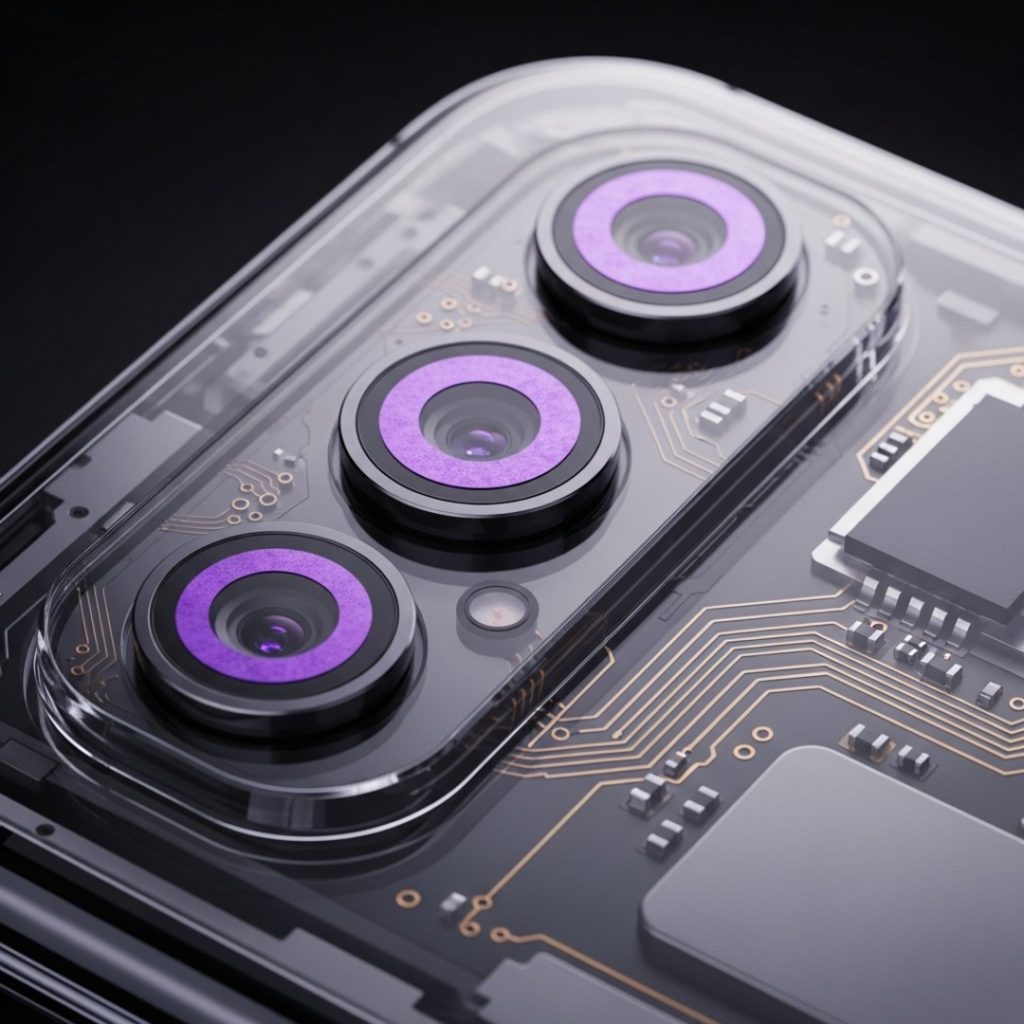
  • Bypass Charging: If you’re a gamer, you can plug in the charger and the power will go directly to the motherboard, skipping the battery. This prevents heating while you play.

Read more : Vivo Y31d 

THE COMPETITION: Battle for Your Wallet

In early 2026, the Nord 5 5G faces two massive rivals: the Poco F7 and the Samsung Galaxy A56.

FeatureOnePlus Nord 5Poco F7Samsung Galaxy A56
Price₹31,999₹31,999₹38,999
Battery6,800 mAh7,550 mAh5,000 mAh
ProcessorSnapdragon 8s Gen 3Snapdragon 8s Gen 4Exynos 1580
Best ForBalanced Use / SelfiesHardcore GamingSoftware / Brand

The Winner: If you want raw power, the Poco F7 wins with its newer chip and even bigger battery. However, if you want a clean software experience and better cameras, the OnePlus Nord 5 5G is the superior all-rounder.

FINAL VERDICT: Should You Buy It?

Buy it if:

  • Endurance is your #1 priority: You hate carrying power banks or charging twice a day.
  • You are a Content Creator: The 50MP front camera with 4K60 is class-leading.
  • You want longevity: 6 years of security updates is a huge plus.

Skip it if:

  • You want a light phone: 211g is heavy; your wrist will feel it.
  • You want the best Ultra-wide camera: The 8MP lens here is mediocre for the price.
  • You need the Alert Slider: The “Plus Key” just isn’t the same.
WhatsApp Channel
Compare (0)