
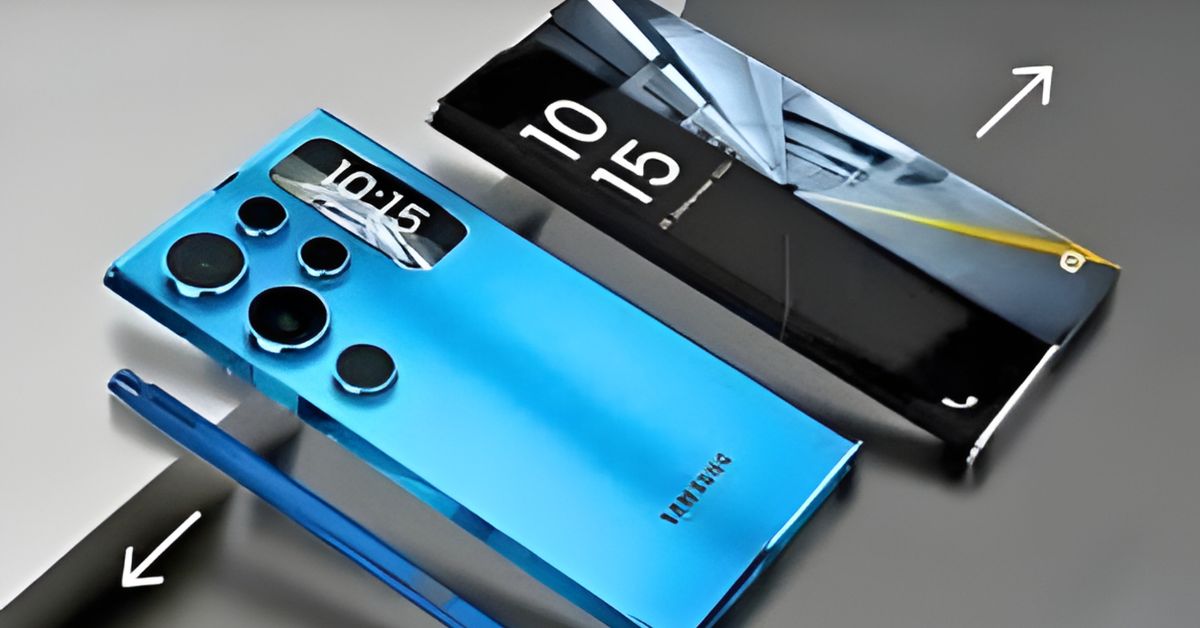
Only COD || Advance में ₹1 भी नहीं देना है
Samsung Galaxy M53 5G

Samsung Galaxy M53 5G Full Review: Specs, Camera, Gaming Performance, Battery Backup, Pros & Cons & Price in India

Samsung Galaxy M53 5G arrives as one of the prominent mid-range 5G smartphones from Samsung’s M-series, aiming to strike a balance between display quality, camera performance, battery endurance and everyday usability. In this article I take an in-depth look at how M53 5G fares across its major aspects — display, hardware, camera, gaming performance, battery life, and real-world practicality — to help you understand whether it truly offers value in 2025’s smartphone market, for users in India or similar regions.

Display and Design

Galaxy M53 5G features a large 6.7-inch Super AMOLED Plus display with full HD+ resolution (1080 × 2400 pixels) and a 120 Hz refresh rate, offering smooth scrolling and fluid animations during UI navigation or content consumption. The screen adopts a punch-hole design and is protected by Corning Gorilla Glass 5, providing a reasonable level of durability against everyday wear and tear. The AMOLED panel delivers vivid colours and acceptable brightness, giving a pleasant experience for streaming videos, browsing social media or reading content, although peak brightness ratings (per some spec sheets) are modest by premium standards. The phone’s body dimensions — roughly 164.7 × 77.0 × 7.4 mm and a weight around 176 g — keep it relatively slim and light for a 6.7-inch device, making it manageable for daily use, though the plastic back and mid-range build materials are noticeable if you are accustomed to glass or metal finishes. The overall design feels modern and in line with mid-range expectations, offering a balanced mix of screen real estate and grip comfort.

Performance and Software Experience

Under the hood, Galaxy M53 5G runs on a MediaTek Dimensity 900 octa-core chipset (6 nm process), with configurations offering 6 GB or 8 GB RAM and 128 GB internal storage (expandable via microSD up to 1 TB, though in hybrid slot). The device ships with Android 12 via Samsung’s One UI 4.1, and standard connectivity features — dual-SIM 5G, Wi-Fi, Bluetooth 5.2, USB Type-C port — are all present. For everyday tasks — browsing, social media, messaging, video streaming, light multitasking — the performance remains smooth and reliable, with no major lag or slowdowns. For moderate workloads, switching between apps, browsing and multitasking feels snappy enough, which suits mainstream users well.

However, because the Dimensity 900 is a mid-range chipset, the phone reveals its limitations under heavier workloads. For resource-intensive tasks, such as extended gaming sessions, high-resolution video editing or heavy multitasking, performance starts to show signs of strain. In some reviews and tests the M53 struggles to match the sustained performance or thermal behavior of higher-end chips, especially under load. Software upgrades historically for mid-range models from Samsung have been modest — while you get basic OS support, long-term update guarantees might not match what flagships or premium-segment phones receive. So users expecting flagship-class fluidity or future-proof performance need to keep these trade-offs in mind.

Read More: Vivo Y39 5G

Camera Performance: Real-World Use vs Expectations

The rear camera setup of Galaxy M53 5G comprises a quad-lens array: a 108 MP primary (wide) sensor (f/1.8), an 8 MP ultra-wide lens (f/2.2), and two 2 MP sensors for macro and depth duty respectively. For selfies and video calls, there is a 32 MP front-facing camera (f/2.2). On paper this configuration promises versatility — wide shots, group photos, some macro work, and selfies — and the high-resolution main sensor gives flexibility for cropping or detailed stills.

In good daylight and favourable lighting, photos from the main 108 MP sensor deliver good detail, decent dynamic range and acceptable colour accuracy for casual photography or social media sharing. Landscape shots with the ultra-wide lens provide broader framing, useful for travel or group photos. Selfies tend to be sharp and usable, especially under adequate lighting. For video, the phone supports up to 4K @ 30fps from the rear camera and 1080p from the front, which is good enough for casual video content, vlogging or social-media clips.

Yet, the real-world experience is more nuanced. In low-light or challenging lighting conditions, results are noticeably weaker: noise, loss of fine detail, muted colors and limited dynamic range become apparent. The tiny 2 MP macro/depth lenses offer limited usefulness — macro shots are often soft, and portrait depth effects are modest at best. While the high-resolution sensor helps daylight shots, it doesn’t substitute for larger sensors and better processing pipelines common in flagship cameras — leading to inconsistent night shots or high dynamic range scenes. Video stabilization and quality during video capture are serviceable but not standout. Therefore, for users expecting studio-quality photos or high-end photography, M53 5G remains a mid-range performer — fine for everyday use, not for professional work.

Gaming Performance and Everyday Use Under Load

Given its mid-range chipset, Galaxy M53 5G is capable enough for casual games and moderate usage but shows limitations under sustained heavy load. For lighter games or casual titles, frame rates are reasonable, and with the 120 Hz display, UI responsiveness aids in smooth gameplay. For everyday usage — browsing, social media, streaming, messaging — the device handles operations reliably and fluidly.

However, when it comes to heavier, graphics-intensive games, or long gaming sessions, the Dimensity 900 coupled with mid-range GPU (Mali-G68) and modest thermal dissipating design can struggle. Reports from reviewers indicate that frame drops, occasional stutters, and heating can surface after prolonged play or high GPU load. For power users or mobile gaming enthusiasts who expect sustained high frame rates, this phone will fall short compared to phones with more powerful chips. Similarly, productivity tasks like heavy editing or multitasking multiple resource-hungry apps will push M53 5G toward its performance limits. For typical day-to-day usage or occasional light gaming, though, the phone remains satisfactory.

Battery Life and Charging Behaviour

M53 5G houses a 5000 mAh battery — a fairly standard but reliable capacity for a mid-range 5G phone. In real-world usage conditions (social media browsing, video streaming, calls, occasional gaming or browsing) the battery comfortably lasts a full day. In many usage patterns, you may get 6–9 hours of screen-on-time, depending on settings and usage intensity, which is adequate for most users. The phone supports 25W fast charging via USB-C, but it is important to note that Samsung does not include a charging adapter in the box; users need to procure a compatible charger separately. With a suitable 25 W charger, the device charges relatively quickly — though not as fast as flagship-class phones with 65 W or above. This charging setup, combined with decent battery life, suits users who need all-day endurance without frequent top-ups.

Pros & Cons: Balanced Assessment in 2025 Context

Galaxy M53 5G brings several strengths to the mid-range table: its large Super AMOLED 120 Hz display provides a smooth, vibrant visual experience; camera hardware offers flexibility and acceptable daylight photos; battery life and charging deliver reliable daily endurance; and for basic to moderate tasks, performance remains fluid and dependable. For someone seeking a balanced daily driver — calls, streaming, browsing, social media, casual photos — the M53 presents a reasonable all-rounder.

On the downside, however, the phone shows its mid-range DNA under pressure. Gaming performance and heavy workloads can result in stutters and heating, the camera struggles in low light, and additional lenses (macro/depth) add little value in practical use. Absence of bundled charger, lack of premium features like water/dust resistance or flagship-level build materials, and only modest long-term software upgrade prospects limit its appeal for power users. In video, stabilization and high-quality capture are serviceable but not extraordinary. For users with higher expectations from camera output, gaming, or heavy productivity, these compromises may become limiting.

Price in India and Value Proposition (As of Late 2025)

As per latest listings, Galaxy M53 5G (6 GB RAM + 128 GB storage) can be found around ₹19,990 to ₹20,999, and the 8 GB + 128 GB variant sometimes retails higher depending on colour variant and retailer. This positions M53 5G comfortably in the upper-mid range price bracket, offering features (like 120 Hz AMOLED display, 108 MP quad camera, 5G connectivity, expandable storage, reasonable battery) that roughly match what one expects at this price point in late 2025. Considering how the phone balances multiple everyday-relevant aspects — display, camera, battery, 5G readiness — it represents a good value-for-money choice for users who prioritise balanced real-world performance over cutting-edge specs. For those seeking a dependable smartphone without spending flagship-money, M53 5G remains a pragmatic option.

Who Should Buy Galaxy M53 5G — And Who Should Look Elsewhere

If you are a user whose priorities include reliable daily performance, good (but not flagship-class) camera output for daylight/social media use, smooth display experience for video or browsing, stable battery life, and 5G connectivity — Galaxy M53 5G works well as a practical, balanced smartphone. Students, working professionals, travellers, or general users looking for a “do-everything” phone without high-end premium cost may find it satisfies most needs.

On the other hand, if your priority is heavy gaming, professional photography or video work, longest-term software support, or premium-level build and features (IP rating, wireless charging, fastest storage, highest-performance CPU/GPU), then M53 5G may feel limiting. In those cases, a higher-tier phone — either from Samsung’s flagship or upper-mid range with stronger chipsets — would serve you better in the long run.

Conclusion

Samsung Galaxy M53 5G stands out as a capable mid-range 5G smartphone that balances display quality, camera versatility, battery endurance and everyday performance at a reasonable price. It does not claim to compete with flagships — and in areas like heavy gaming, low-light photography or professional workloads you will notice limitations — but for typical daily usage, social media, content consumption, casual photography and moderate gaming, it delivers a dependable experience. For users seeking value-for-money, well-rounded and practical smartphones in 2025, M53 5G remains a strong contender in its segment.
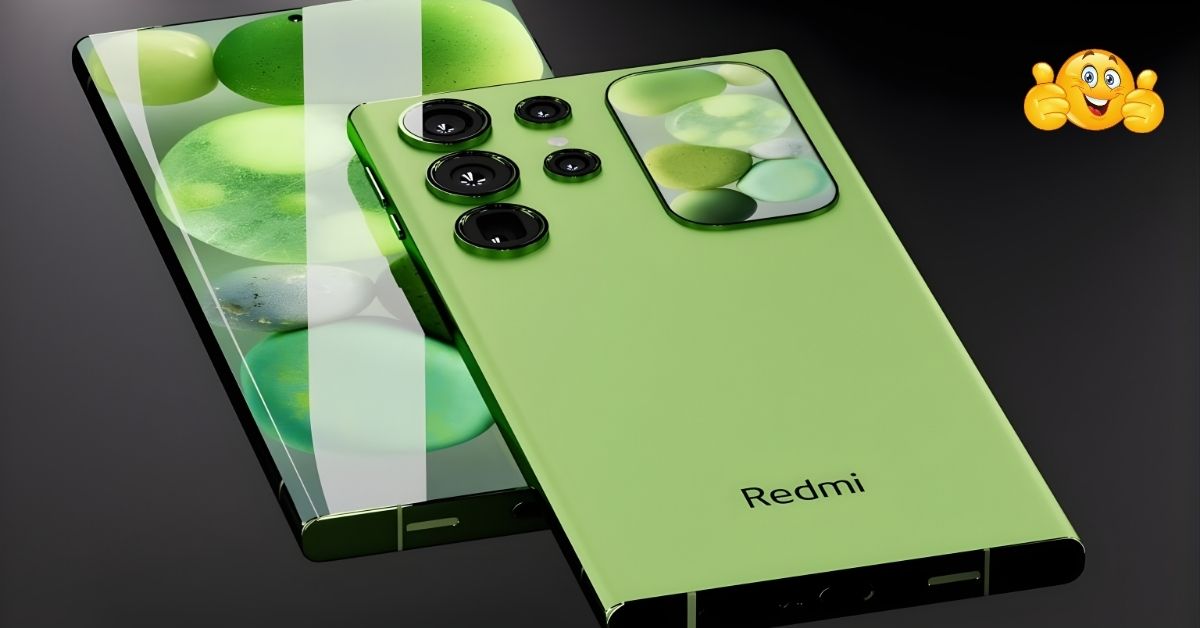
Redmi 14 Pro+ Ultra

Redmi 14 Pro+ Ultra Detailed Review: Specs, Camera, Display, Gaming, Battery & Price Explained

Redmi 14 Pro+ arrives as a formidable contender in the upper mid-range smartphone segment offering a mix of compelling features, all-round performance and value for money. In this review I explore in depth how this device performs across different parameters—display, hardware, cameras, battery, everyday use, and pricing—to help you understand whether it truly lives up to its promise.

Display and Design Excellence of Redmi 14 Pro+

The Redmi 14 Pro+ is built around a 6.67-inch 1.5K AMOLED curved display that reproduces sharp, vibrant visuals with a resolution near 1,220×2,712 pixels and up to 120 Hz refresh rate. The screen’s highlight is its brightness which reaches up to 3000 nits, ensuring strong outdoor visibility even under direct sunlight. Support for Adaptive HDR10+ and Dolby Vision adds cinematic contrast and colour depth — noticeable when you watch HDR content or stream high-quality videos. The display also incorporates high touch sampling rates (up to 2560 Hz) and high-frequency PWM dimming (1920 Hz), which helps in smooth touch response and comfortable screen time during prolonged use. On the protection front, the front is covered with Corning Gorilla Glass Victus 2 while the rear has Gorilla Glass 7i, balancing premium feel with durability.

In terms of design, Redmi has managed to balance size and ergonomics. Measuring 162.53 × 74.67 × 8.66 mm and weighing roughly 210.8 grams, the device feels substantial yet manageable for two-handed use. The build quality gives confidence that the phone can handle regular wear and tear — a key expectation at this price point.

Performance and Hardware: Balanced, Efficient, Future-Ready

Under the hood, Redmi 14 Pro+ packs a Qualcomm Snapdragon 7s Gen 3 chipset built on a 4 nm fabrication process, paired with up to 12 GB RAM and up to 512 GB internal storage (UFS 2.2). This hardware combination delivers reliable everyday performance for a wide range of tasks — from app switching and multitasking to media consumption and gaming. The 4 nm chipset brings efficiency and supports modern features, which helps in sustaining battery life and providing snappy responsiveness.

Software-wise the phone ships with Android 14 layered with Xiaomi’s HyperOS. The interface feels fluid and optimized for this hardware, with support for modern connectivity standards: dual-SIM 5G, Wi-Fi 6, Bluetooth 5.4, NFC, and full multi-satellite GPS support (Galileo, GLONASS, Beidou), ensuring future-proof networking and location capabilities. In-display fingerprint sensor, stereo speakers with Dolby Atmos, and USB Type-C connectivity round off a complete hardware package — offering everything a contemporary user expects.

Thermal management also gets attention: the internal design includes a vapor-chamber cooling solution to manage heat during longer gaming or heavy usage sessions. For many users this balance of performance, storage and connectivity makes the device capable enough for daily and power usage without veering into bulky flagship prices.

Read More: vivo V29 5G

Camera System: Versatile and Competitive with Real-World Strengths and Limits

Redmi 14 Pro+ comes with a triple rear camera setup headlined by a 50 MP Light Hunter 800 primary sensor (approx. 1/1.55-inch) with Optical Image Stabilization (HyperOIS). Accompanying this are an 8 MP ultra-wide lens and a 50 MP telephoto lens providing 2.5× optical zoom. On the front there is a 20 MP sensor for selfies and video calling.

In real-world daylight conditions, this combination delivers crisp, detailed images with good dynamic range and excellent colour rendering. The ultra-wide lens covers landscapes or group photos nicely, while the telephoto lens offers flexibility for portrait framing or candid shots without relying on digital zoom. The OIS helps in handheld shots — especially useful for low-light photos or videos, reducing shakes and improving clarity.

Video recording is serviceable, especially for everyday content and social-media videos; the prime sensor provides stability and decent detail. For casual creators or users who just want good-looking social media shots without carrying a DSLR, the phone strikes a compelling balance.

That said, it is important to be realistic. Under low-light settings or demanding photography scenarios, results may not compete with flagship-class phones with larger sensors, superior image processing or periscope zooms. While the optics and software deliver very good output in ideal conditions, expecting top-tier flagship quality — especially in challenging lighting or high dynamic range scenes — might lead to underwhelming results. The UFS 2.2 storage also places some limits on very heavy photo or video editing workflows compared to devices with UFS 3.x storage.

Battery Capacity and Charging: Best-in-Segment Endurance

One of the strongest pillars of Redmi 14 Pro+ is its large 6,200 mAh battery. In everyday usage scenarios — social media, streaming, browsing, calls, light gaming — this cell comfortably delivers more than a full day of use. For heavy users, travellers or those who consume a lot of multimedia content, this large cell offers real peace of mind.

Complementing the battery is 90 W fast charging support which allows a rapid top-up when needed. This means even if you run low after a long day, plugging in for a short time gives enough juice to push through further hours. Thermal management and efficient chipset help ensure that long usage doesn’t translate into overheating or battery drain problems. For users migrating from mid-range phones, this battery life and charging combo can feel like a major leak of freedom — especially for those constantly on the go.

Real-World Use: Multimedia, Gaming, Productivity, Travel — A Balanced Performer

Putting all core components together, Redmi 14 Pro+ offers a user experience that fits a broad spectrum of real-world demands. For media consumption — streaming movies, watching HDR content or browsing photos — the bright AMOLED display combined with Dolby Vision and Dolby Atmos stereo speakers delivers a noticeably premium feel. Outdoors brightness ensures that daylight reading or video watching remains comfortable.

For gaming and multitasking, the Snapdragon 7s Gen 3 strikes a balance: more than capable of handling popular games smoothly with decent frame rates and thermal stability. The generous RAM and storage make switching between apps, editing photos or light video clips, or using multiple apps concurrently fluid.

For photographers and casual content creators, the flexible triple-camera system provides good tools for day-to-day photography or social media content — without carrying a separate camera. For frequent travellers or heavy users, the massive battery plus fast charging become a practical advantage. This phone could serve as a “daily driver” — capable of satisfying needs ranging from productivity and media to social content creation — without demanding an overnight charger or frequent charging interruptions.

Price and Value for Money in 2025 Context

As of December 2025, in India the Redmi 14 Pro+ is often listed around ₹29,999 for the base 8 GB + 128 GB configuration. The 8 GB + 256 GB and 12 GB + 512 GB variants are often priced higher depending on market and offers. This positioning places it squarely in the upper-mid range segment rather than flagship price territory. Considering what you get — a bright 1.5K AMOLED 120 Hz display, large battery with 90 W charging, competent triple cameras, IP68 dust/water resistance, Gorilla Glass protection, modern connectivity — the value proposition is strong.

For buyers who want a device that delivers flexibility and balanced performance for everyday tasks, entertainment, photography and moderate gaming, this price-to-performance ratio represents a sweet spot. It challenges many older “flagship-class” prices by offering a well-rounded package without forcing compromises on essentials.

Limitations: Where Redmi 14 Pro+ Falls Short of Flagship Expectations

Despite its strengths, Redmi 14 Pro+ does not claim to be a true flagship. For users expecting flagship-level raw processing power — for sustained 3D rendering, very heavy video editing or intensive professional workloads — the Snapdragon 7s Gen 3 may hold it back compared with leading flagship chips. Storage being UFS 2.2 limits speed compared to UFS 3.x, which may be felt when transferring large files or editing high-resolution video.

Camera performance, while very good for everyday conditions, may disappoint users used to high-end smartphone cameras with larger sensors and advanced processing — especially under low light or complex lighting scenarios. Also, telephoto zoom is limited to just 2.5× optical, which may not satisfy users seeking long-range shots or periscope-style zoom capabilities. For users who need top-tier sensor performance or professional-level photo/video output — this device is more “flagship-lite” than “flagship-killer.”

Verdict: Who Should Buy Redmi 14 Pro+ and Who Might Look Elsewhere

If you are looking for a phone that can capably juggle multiple roles — streaming movies, gaming moderately, capturing decent photos, traveling with long battery life, multitasking apps, and day-to-day productivity — Redmi 14 Pro+ offers a compelling balanced package. It stands out as a sensible all-rounder in 2025’s competitive smartphone market, delivering features that matter to many users without crossing into flagship price bracket.

For students, working professionals, travellers, casual content creators, or anyone wanting a long-lasting phone for wide-ranging tasks — this device is a strong candidate.

However, if your priorities lean heavily toward professional-grade photography or video editing, high-end gaming, or you require flagship-class raw performance with fastest storage and camera systems — you might outgrow this device. In such cases, a dedicated flagship-class phone may better meet those specialized demands.

Conclusion

Redmi 14 Pro+ emerges as one of the most balanced upper-midrange smartphones available in 2025. By combining a bright, capable AMOLED display with modern chipset, generous battery, versatile cameras, robust build quality and comprehensive connectivity, it offers a package that meets the needs of a broad spectrum of users. It doesn’t aim to beat flagships at their strengths, but rather delivers what most users practically need for daily life — and does so with impressive value.

For anyone seeking a “do-everything” smartphone — competent in communication, media, content, photography, travel or gaming without breaking the bank — Redmi 14 Pro+ represents a smart, practical choice in its segment.

WhatsApp Channel
Compare (0)