Only COD || Advance में ₹1 भी नहीं देना है
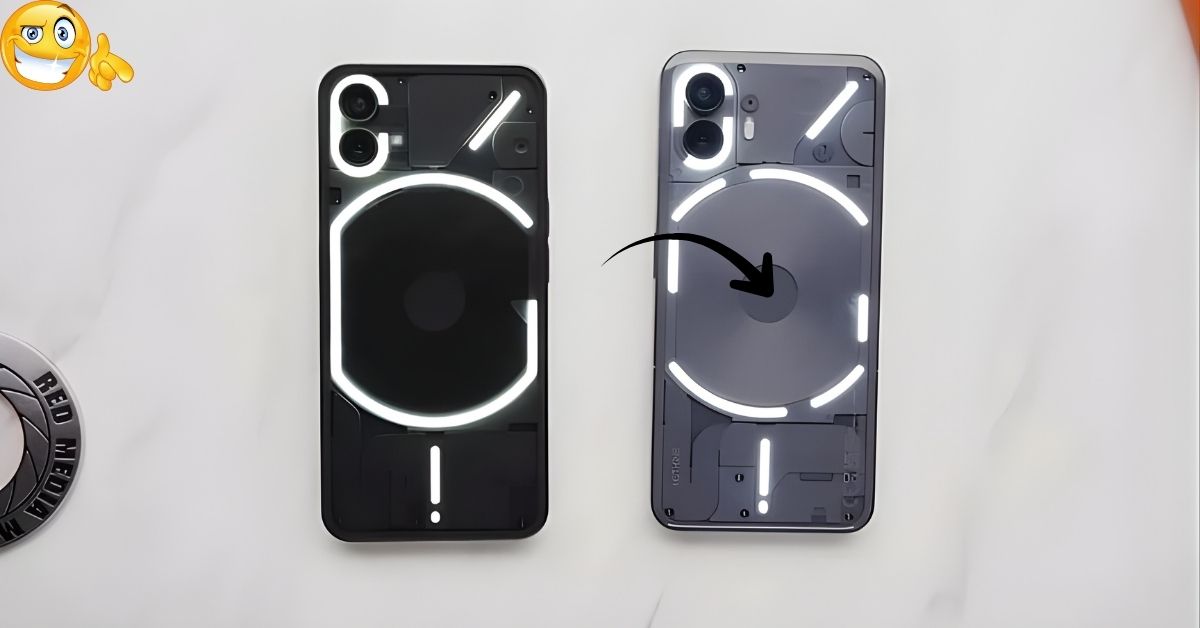
Nothing Phone 2a

Nothing Phone 2a in 2026: Still the Best Phone Under ₹20,000

The Indian smartphone market is buzzing this February. While tech enthusiasts are waiting for the confirmed March 5th launch of the Nothing Phone (4a) series, budget-conscious buyers are looking at an unexpected hero: the Nothing Phone (2a).

Originally launched back in 2024, the Phone (2a) has suddenly started trending again in India. Why? Because major e-commerce platforms like Flipkart and Croma have slashed its price to clear stock before the new generation arrives. If you want the unique “Glyph” experience on a tight budget, this might be your best chance.

Here is everything you need to know about the Nothing Phone (2a)’s current status, the new price tag, and whether you should buy it or wait for the new models.

The New “Budget” Price in India

When the Nothing Phone (2a) first launched, it was priced around ₹23,999. Fast forward to February 2026, and the landscape has changed.

  • Current Offer Price: We have spotted the base variant (8GB RAM + 128GB Storage) selling for as low as ₹17,999 to ₹19,999 on major sale days.
  • Bank Offers: With select bank cards (like HDFC or Axis Bank), the effective price often drops even further, sometimes touching the ₹16,000 mark.

This price cut moves the Phone (2a) from the “Mid-Range” category directly into the “Budget” segment, pitting it against phones like the Redmi Note 14 series and the Realme P-series.

Check more: Samsung Galaxy M56 5G

Why Is It Trending Now?

The resurgence of interest in the Phone (2a) isn’t just about the price. It is also about the timing.

  1. The Upcoming Launch: Nothing has officially confirmed a launch event for March 5, 2026. Rumors suggest this will be the debut of the Nothing Phone (4a) and (4a) Pro. As retailers prepare for new stock, older models like the 2a and 2a Plus are being cleared out.
  2. Software Longevity: Unlike many other brands, Nothing has kept its promise on updates. The Phone (2a) is running the latest Nothing OS (based on Android 15/16), making it feel fresh despite its age.
  3. Design Value: Even in 2026, the transparent back design and Glyph interface stand out. You simply cannot find a phone that looks this premium under ₹20,000.

Specs Recap: Does It Hold Up in 2026?

Two years is a long time in tech, but the Phone (2a) was built with balanced specs that have aged well.

  • Display: The 6.7-inch Flexible AMOLED screen with a 120Hz refresh rate is still excellent for watching Netflix or YouTube. It has slim bezels that look better than many 2026 budget phones.
  • Processor: The MediaTek Dimensity 7200 Pro chipset was custom-made for this phone. While it won’t beat the new Snapdragon chips in the upcoming Phone (4a), it handles daily tasks, Instagram reels, and casual gaming (like BGMI) without any lag.
  • Cameras: The dual 50MP rear camera setup (Main + Ultra-wide) takes natural photos. It avoids the “oversaturated” look common in budget phones.
  • Battery: The 5,000mAh battery easily lasts a full day, and the 45W charging is decent, though not the fastest in the market anymore.

Should You Buy the Phone (2a) or Wait for Phone (4a)?

This is the big question for Indian buyers. Here is a simple breakdown to help you decide.

Buy the Nothing Phone (2a) IF:

  • Your budget is strictly under ₹20,000.
  • You want a clean software experience (no bloatware or spam ads).
  • You care about design and want a phone that looks unique.
  • You are buying it for a student or parent who needs a reliable daily driver.

Wait for the Nothing Phone (4a) IF:

  • You can spend between ₹25,000 and ₹30,000.
  • You want the latest camera AI features and a faster processor for heavy gaming.
  • You want a longer guarantee of future Android updates (3-4 years from now).

Conclusion

The Nothing Phone (2a) has transitioned from a “hype” phone to a “value” champion. In 2026, it is no longer the flagship killer, but at ₹17,999, it is arguably the most stylish and clean phone you can buy in India. If you don’t need the absolute latest specs, saving ₹10,000 by picking the 2a over the upcoming 4a is a smart financial move.
POCO X7

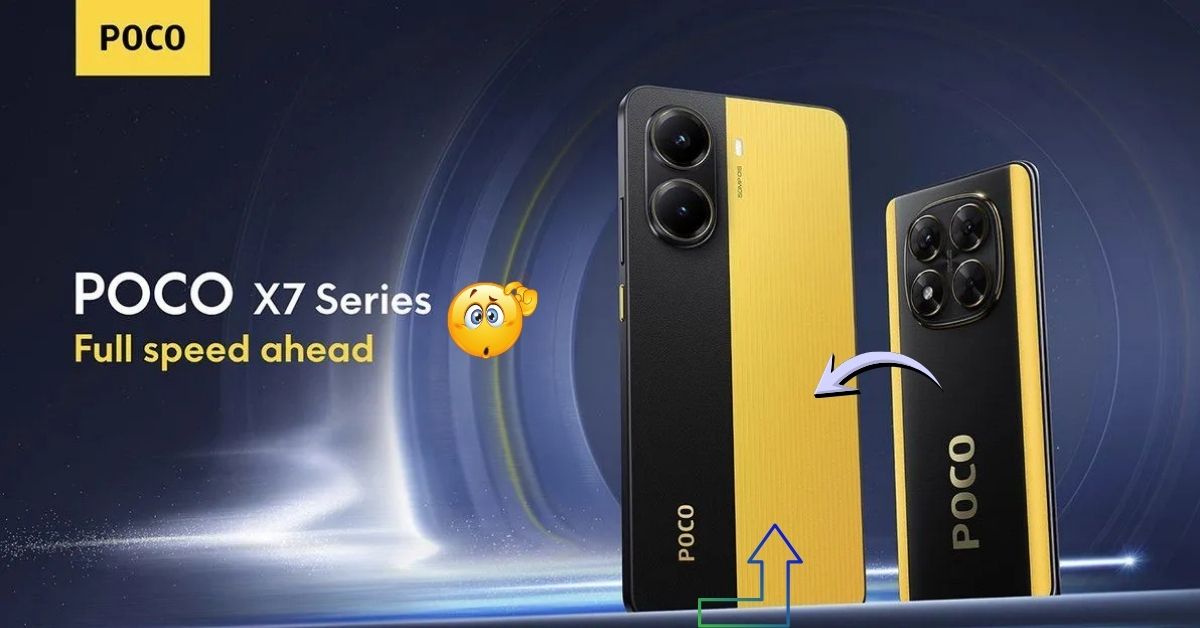
POCO X7 India: New Lower Price and Android 15 Update Explained

The POCO X7 5G has suddenly jumped back into the trending charts in India this week. Why is a phone that launched in early 2025 making headlines again in February 2026? The answer lies in two big updates: a massive permanent price cut and the rollout of the highly anticipated HyperOS 3 software.

For budget-conscious buyers in India, this mid-range phone has just transformed from a “good option” to an “unbeatable deal.” If you are looking for a 5G phone under ₹17,000 with premium features, here is everything you need to know about the POCO X7’s resurgence.

Massive Price Drop: Now Under ₹17,000

When the POCO X7 5G first arrived in India in January 2025, it was priced around ₹21,999. However, recent listings on Flipkart and other major retailers show a significant price slash.

As of February 2026, the base model (8GB RAM + 128GB Storage) is selling for as low as ₹16,999.

This new pricing puts the POCO X7 in direct competition with newer budget phones like the Samsung Galaxy F36 and Realme P4. However, the X7 holds an advantage because it was built as a premium mid-ranger, meaning its build quality and display are superior to many fresh “budget” launches.

Current Offers:

  • Standard Price: ₹16,999 (down from launch price).
  • Bank Offers: Select bank cards (like Axis or SBI) can fetch an additional discount, sometimes bringing the effective price closer to ₹15,999.

Read more: Realme Narzo 90

HyperOS 3 Update: A New Life for the X7

The second reason for the sudden interest is the software. Earlier this year, POCO began rolling out the HyperOS 3 update (based on Android 15) to X7 users in India.

According to recent user reports and change logs, this update fixes several bugs and boosts performance. Key improvements include:

  • Smoother Animations: The new “glass-like” visual effects make the 120Hz screen feel even faster.
  • Connectivity Fixes: The update reportedly resolves previous issues with signal drops in certain 5G zones.
  • Better Battery Management: Optimization for the 5500mAh battery has been improved, extending daily usage.

This update proves that POCO is sticking to its promise of long-term support, making the phone a safe buy even a year after release.

Quick Specs Recap: Still a Powerhouse?

Does the hardware hold up in 2026? Absolutely. The specs of the POCO X7 are still overkill for the sub-₹17k segment.

1. Display and Design

The phone features a 6.67-inch 1.5K AMOLED display with a 120Hz refresh rate. It supports Dolby Vision and HDR10+, which is rare at this new low price point. It also carries an IP69 rating, meaning it is highly resistant to dust and high-pressure water jets—a feature usually found in expensive flagships.

2. Performance

It runs on the MediaTek Dimensity 7300 Ultra chipset. While it’s not the newest chip in 2026, it is still very capable of handling heavy multitasking and moderate gaming (BGMI/COD Mobile) without overheating, thanks to its graphite cooling system.

3. Cameras

  • Main: 50MP Sony LYT-600 sensor with OIS (Optical Image Stabilization).
  • Ultrawide: 8MP.
  • Selfie: 20MP.The OIS support allows for steady 4K video recording, which many new budget phones in 2026 still lack.

4. Battery and Charging

The 5500mAh battery easily lasts over a day. It supports 45W fast charging, which fills the phone relatively quickly, though it is slower than the 90W charging found on the Pro model.

Comparison: POCO X7 vs. 2026 Budget Phones

Is it better to buy the older POCO X7 or a new 2026 budget phone?

FeaturePOCO X7 (2025 Model)Typical 2026 Budget Phone (₹16k)
ProcessorDimensity 7300 UltraSnapdragon 4 Gen 3 / Dimensity 6300
Display1.5K AMOLED (120Hz)FHD+ LCD or Basic AMOLED
BuildIP69 Water ResistantIP54 Splash Resistant
Camera50MP OIS (Sony Sensor)50MP (No OIS or Basic Sensor)

Verdict: The POCO X7 offers better hardware value because it is a discounted mid-range phone, whereas new phones in this price range are built as budget devices from the start.

Conclusion: Should You Buy It Now?

If your budget is strict (under ₹17,000) and you want a phone with a premium display, total water protection (IP69), and stable performance, the POCO X7 is currently the best value-for-money smartphone in India.

The combination of the price cut and the fresh HyperOS 3 update makes it feel like a brand-new device. However, if you are a hardcore gamer who needs the absolute fastest chip, you might want to stretch your budget for the POCO X7 Pro or wait for the upcoming POCO X8 series later this year.

POCO M8 5G

POCO M8 5G: The Ultimate Budget King or Just Another Hype? | Full Review (2026)

The Indian smartphone market in 2026 is absolute chaos. With brands launching a “new” phone every second week, it’s hard to stay excited. But then comes POCO. Known for disrupting the scene, the POCO M8 5G has arrived with a starting price that feels like a throwback to the “Golden Age” of budget phones—₹18,999 (effectively ₹14,999 with offers).

The real truth is, on paper, this phone looks like a flagship killer stuck in a budget body. We’re talking about a 3D Curved AMOLED screen, a 3200 nits peak brightness that can blind you in broad daylight, and a software promise that lasts until 2032. But does the performance match the hype, or is POCO just playing the “specs on paper” game again? Let’s find out.

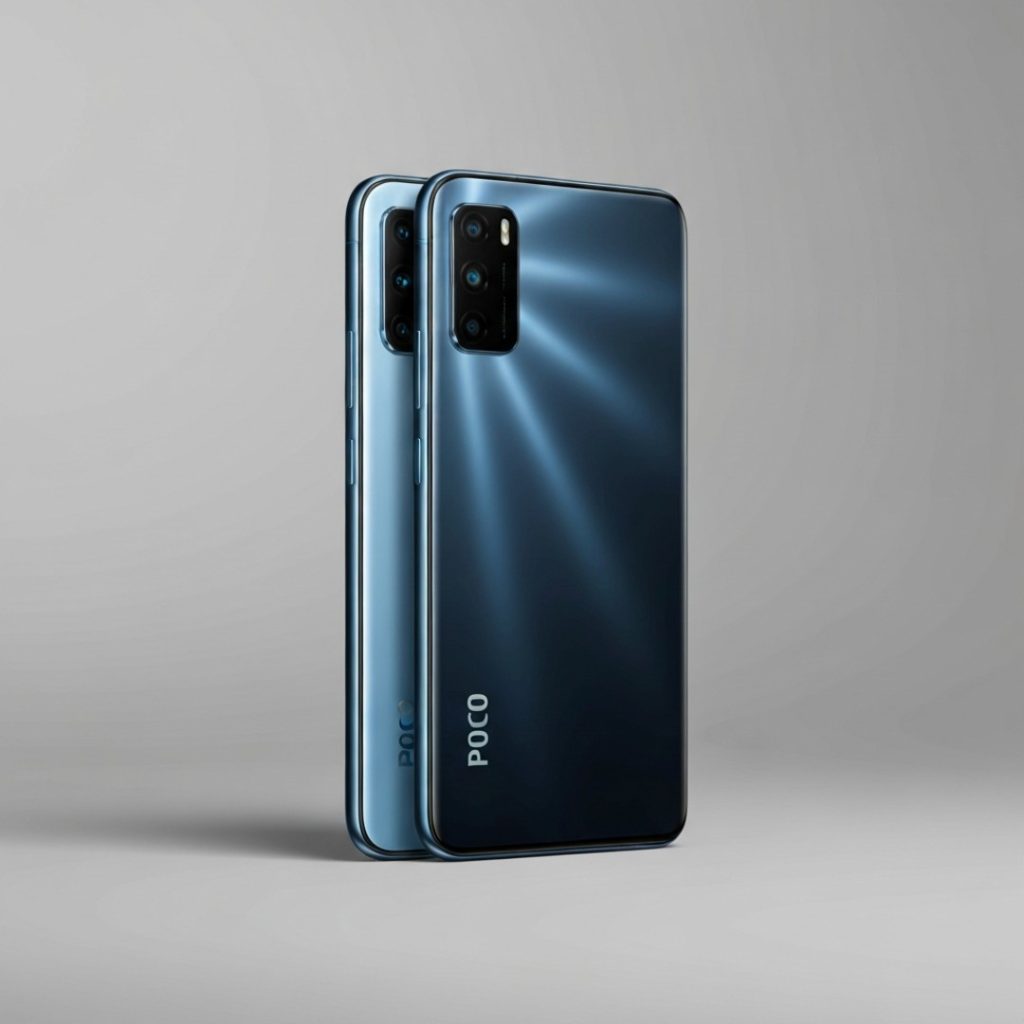
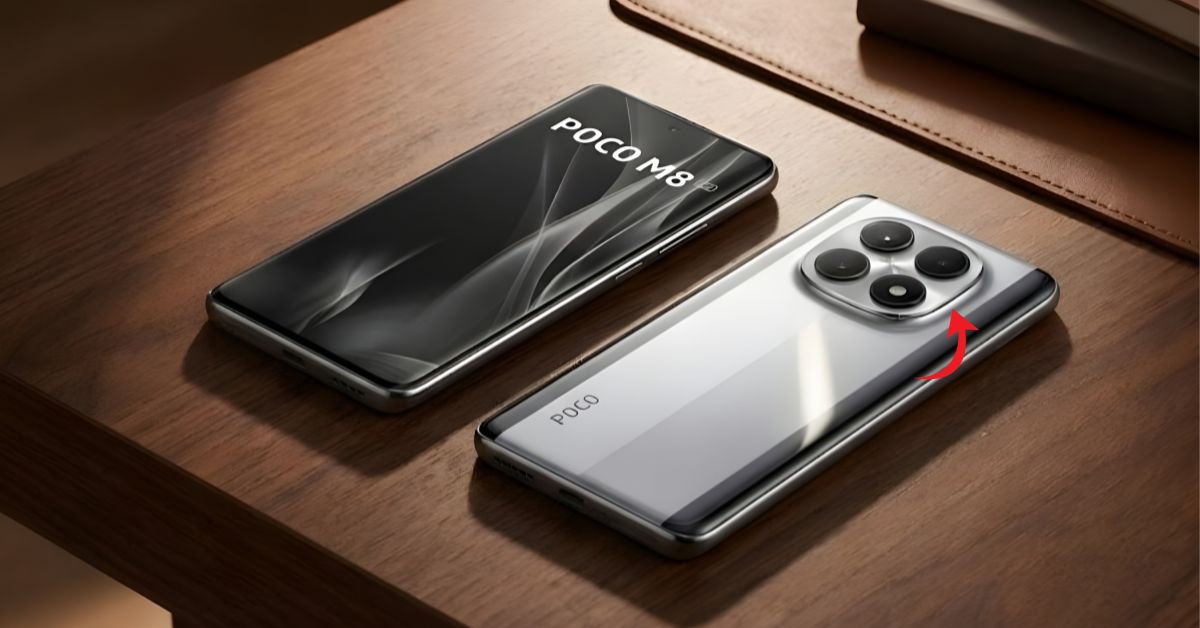
POCO M8 5G in Glacial Blue. Studio lighting, professional product photography, neutral grey background.

QUICK SPECS TABLE

FeatureSpecification
ProcessorQualcomm Snapdragon 6 Gen 3 (4nm)
Display6.77-inch 3D Curved AMOLED, 120Hz
Brightness3200 Nits (Peak)
RAM/Storage6GB/8GB LPDDR4X
Rear Camera50MP Main (Sony Light Fusion 400) + 2MP Depth
Front Camera20MP Selfie
Battery5520mAh Silicon-Carbon
Charging45W Wired (Charger in box) + 18W Reverse
OSHyperOS 2.0 (Android 15)
Updates4 Years OS + 6 Years Security
DurabilityIP65/IP66 + MIL-STD-810H

DESIGN & BUILD (Deep Dive)

POCO has finally ditched the “chunky plastic” feel. At just 7.35mm thickness, the POCO M8 5G is officially the thinnest M-series phone ever. It weighs about 178 grams, which, considering the massive 5520mAh battery, is a feat of engineering.

The back features a unique two-tone finish. You get these vertical race-line patterns that look sporty, though the glossy parts are absolute fingerprint magnets. If you hate smudges, go for the Carbon Black variant; the Glacial Blue and Frost Silver look premium but need constant wiping.

Read More: Vivo V60 5G

What surprised me most was the MIL-STD-810H military-grade durability. Usually, “curved display” and “durable” don’t go in the same sentence, but POCO claims this can survive drops from 1.7 meters. While I wouldn’t recommend throwing it against a wall, it feels solid in the hand.

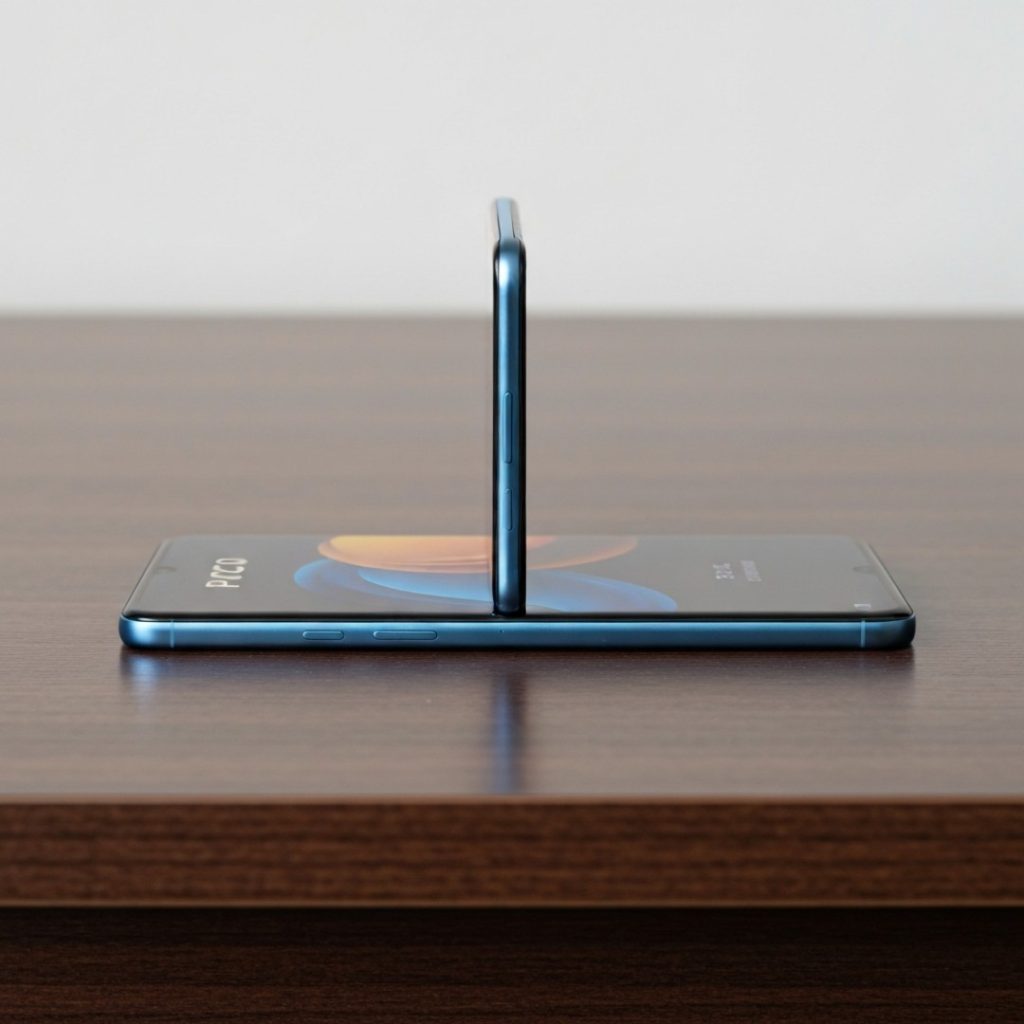
POCO M8 5G sitting on a sleek wooden desk to show its 7.35mm thickness.

DISPLAY & VISUALS

This is where the POCO M8 5G absolutely destroys the competition.

  • The Curve: The 3D curved edges make the phone feel twice as expensive as it actually is.
  • Brightness: 3200 nits is no joke. I took this out in the peak Delhi afternoon sun, and the screen was as clear as if I were indoors.
  • Wet Touch 2.0: Ever tried using your phone with sweaty hands after a workout? It usually fails. The M8 uses Wet Touch 2.0, which actually works.

The 120Hz Flow AMOLED panel is 12-bit, meaning it can produce over 68 billion colors. Watching 4K HDR content on YouTube is a treat—blacks are deep, and colors pop without looking “fake.”

POCO M8 5G sitting on a sleek wooden desk to show its 7.35mm thickness.

PERFORMANCE & GAMING

Under the hood, we have the Snapdragon 6 Gen 3.

  • AnTuTu Score: It clocks in at around 8,25,000+.
  • Real-world usage: Switching between Instagram, Chrome with 20 tabs, and WhatsApp is butter smooth.
  • Gaming: I played BGMI and Call of Duty Mobile. On “Smooth + Extreme” settings, it holds a steady 60FPS. It does get slightly warm near the camera module after 40 minutes of gaming, but nothing that will burn your fingers.

Don’t waste your money if you’re looking for a “hardcore” gaming beast—get a POCO F-series for that. But for 90% of users, this chip is more than enough.

CAMERA ANALYSIS

POCO has kept it simple: 50MP Main + 2MP Depth.

  • Daylight: The Sony Light Fusion 400 sensor captures great dynamic range. The shadows aren’t crushed, and the sky looks natural.
  • Low Light: This is the big upgrade. The sensor size is larger than the previous M7, so night shots have significantly less noise.
  • Selfies: The 20MP front camera is a massive jump from the usual 8MP sensors in this segment. Skin tones are mostly accurate, though there is some “beautification” happening by default.
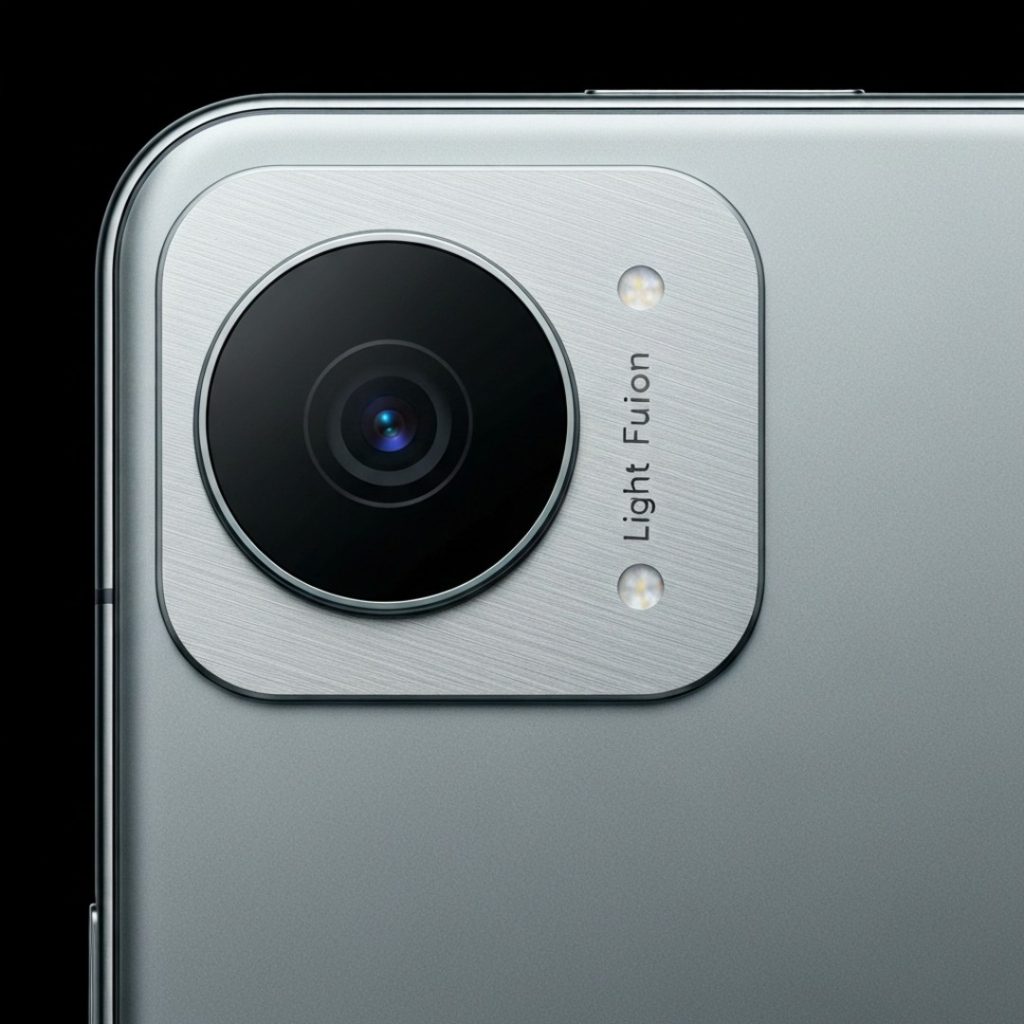
POCO M8 5G camera module. The 50MP lens is prominent with a subtle Light Fusion engraving nearby.

BATTERY & ENDURANCE

POCO squeezed a 5520mAh battery into this slim frame.

  • Screen On Time (SOT): Easily 7-8 hours on heavy use.
  • Charging: The 45W charger takes you from 0 to 50% in roughly 28 minutes. A full charge takes about an hour.
  • Bonus: It supports 18W reverse wired charging. You can literally use your phone as a power bank to charge your TWS earbuds or a friend’s dying iPhone.

THE COMPETITION

The POCO M8 5G isn’t alone in the ₹15k–₹22k bracket. Let’s see how it stacks up against the current heavyweights: Motorola Edge 60 Fusion and Redmi Note 15.

ComparisonPOCO M8 5GMoto Edge 60 FusionRedmi Note 15
Display3D Curved AMOLED (3200 nits)Curved pOLED (2000 nits)Flat AMOLED (2400 nits)
ProcessorSnapdragon 6 Gen 3Dimensity 7300Snapdragon 6s Gen 3
Software Support4yr OS / 6yr Security2yr OS / 3yr Security3yr OS / 4yr Security
Battery/Charging5520mAh / 45W5000mAh / 68W6000mAh / 33W

Winner: POCO M8 5G. While the Moto charges faster and the Redmi has a slightly bigger battery, the POCO offers the best display and the longest software support (updates until 2032!).

FINAL VERDICT

Buy it if:

  • You want the best-looking display under ₹20,000.
  • You plan to keep your phone for 4-5 years (thanks to the long update policy).
  • You want a slim and light phone that doesn’t sacrifice battery life.

Skip it if:

  • You are a pro photographer (the lack of an Ultrawide lens is annoying).
  • You want super-fast charging (competitors offer 68W or 80W).
  • You hate HyperOS bloatware (though it’s much cleaner now).

Rating: ⭐⭐⭐⭐✬ (4.5/5 Stars)

WhatsApp Channel
Compare (0)