Vivo V60 5G Launch Date, Expected Price in India and Full Specifications (Complete Details 2025)
The Vivo V60 5G is one of the most anticipated upcoming smartphones from Vivo, generating interest among buyers waiting for a balanced 5G-ready phone with solid hardware, modern features and competitive pricing. In this article I assemble everything available so far — rumours, leaked specs, expected launch timeline, and provisional India pricing — and combine them with an expert-style analysis to help you understand what Vivo V60 5G promises in 2025. This overview will cover display and design expectations, chipset and performance, camera setup and imaging potential, battery and charging, connectivity features and who might benefit from this device.
Expected Launch Date and India Availability
As of December 2025 there has been no official announcement from the manufacturer regarding the global or Indian launch date for Vivo V60 5G. Industry watchers speculate that Vivo could unveil the phone in early 2026, aligning with typical release cycles after the holiday season. Given the absence of confirmed shipping dates or registration pages, prospective buyers should treat all timeline-related information as speculative. Once official word arrives, likely from Vivo’s India division, the actual shipping date and variant availability — RAM / storage / colour — will become clearer.
Expected Price Range in India and Market Positioning
Since Vivo V60 5G has not yet been launched or officially priced for India, any price estimates come from rumoured leaks and market positioning strategies. Observers expect the device to be positioned in the upper-mid to mid-range segment, offering 5G support and modern specifications without commanding a premium flagship price. A plausible ballpark for the base variant (as per market trend in late 2025) would be between ₹25,000 and ₹30,000, depending on final hardware configuration, import duties, local taxes and retail markups. This is speculative and actual price could shift once official India launch details are revealed. If priced in this range, Vivo V60 5G may aim to compete with other 5G mid-range phones offering balanced specs, making it a value-oriented choice for buyers seeking future-proof connectivity with reasonable hardware.
Display and Design Expectations
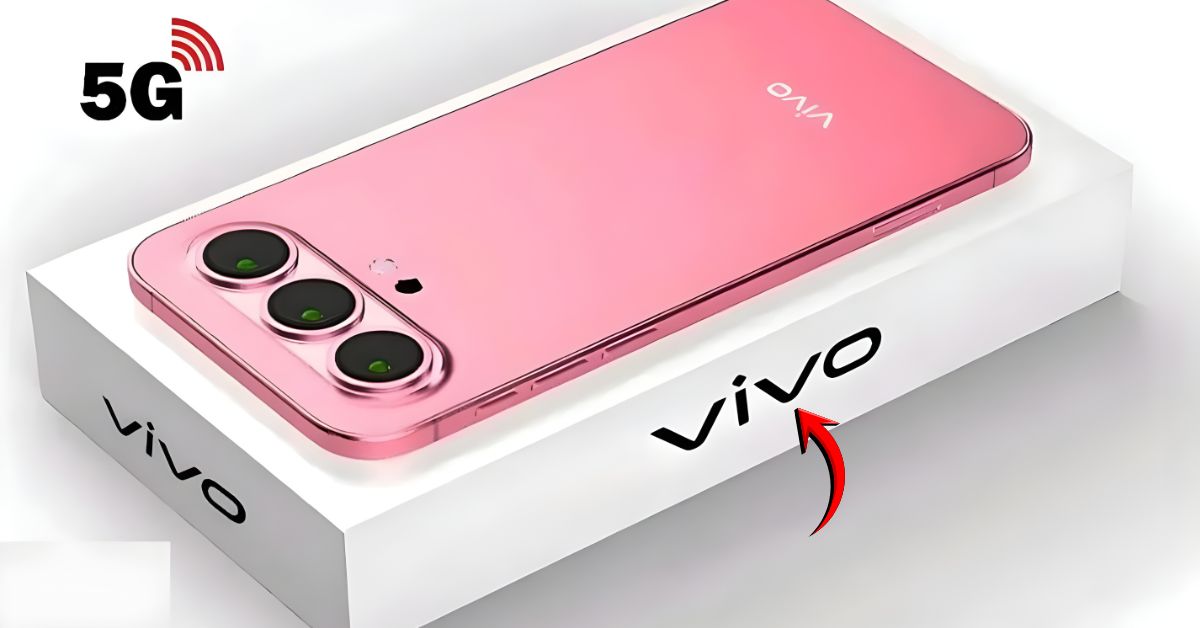
Rumours suggest that Vivo V60 5G will offer a display and build design that aligns with current mid-to-upper-segment expectations. It is expected to sport an AMOLED panel, likely in the 6.5″ to 6.7″ class with Full HD+ or slightly higher resolution, providing vibrant colours, deep blacks and reliable contrast for video streaming, gaming and daily use. The screen may include a high refresh rate (possibly 120 Hz) for smooth UI and gaming performance, though this remains unconfirmed. On the physical design front, Vivo appears to be leaning toward a sleek, slim form factor with a modern aesthetic — curved edges, slim bezels and premium feel in hand. Build materials may attempt to balance cost and quality — probably glass or high-quality plastic — to give a refined finish while keeping the price competitive. If these expectations materialize, the display and design would meet the needs of media-hungry users, gamers and social-media oriented buyers who value both looks and usability.
Hardware, Performance and 5G Connectivity
Under the hood, Vivo V60 5G is expected to embrace a chipset that supports efficient 5G connectivity while balancing performance and battery life. Though exact chipset details remain unverified, market leaks suggest a mid–to–upper-mid-range 5G-capable processor that can handle everyday tasks, multitasking and moderate gaming without major strain. RAM and storage configurations — likely variants such as 6 GB / 8 GB RAM with 128 GB or 256 GB storage — aim to provide smooth performance for most users. 5G dual-SIM support, modern Wi-Fi, Bluetooth and other connectivity standards are also anticipated, ensuring the device remains future-ready and compatible with evolving network infrastructures. For typical Indian users — who prioritize seamless social media, streaming, browsing and occasional gaming — this balance between connectivity and hardware can make Vivo V60 5G a dependable daily driver.
Camera Setup and Imaging Potential
According to early leak summaries, Vivo V60 5G is expected to feature a versatile multi-lens rear camera setup, with a primary sensor of 50 MP (or possibly higher, depending on variant) aimed at delivering sharp daylight photos with good detail. Support cameras may include an ultra-wide lens and depth or macro lens to facilitate flexible framing for landscapes, group photos and portrait shots. The front (selfie) camera is likely tuned for social media ready selfies and video calls, maintaining decent resolution and colour accuracy. If software optimisation is handled well — especially for HDR, dynamic range and low light — this camera system could satisfy everyday photography needs, social content creation and casual video recording. As with many mid-range devices, performance under low-light may be modest compared to flagship-class phones, so expectations should be tempered accordingly. Nevertheless, for users focused on balanced performance and cost-effective versatility, the proposed camera configuration seems promisin
Read More: Vivo V29
Battery, Charging and Everyday Use Expectations
Reports and speculation around Vivo V60 5G hint at a battery size around 5000 mAh — a capacity that can easily support a full day of mixed usage including browsing, streaming, social apps and moderate gaming. Charging specifications are not yet confirmed, though given market trends in this segment there may be support for fast charging — likely in the 33 W–55 W range — which would shorten recharge times significantly and enhance convenience for daily users. Combined with an efficient chipset and AMOLED panel (which tends to consume less power when managed well), the battery and charging setup could render the phone quite durable for long hours out of the charger. This would suit users who travel often, commute daily, or engage in prolonged media usage without frequent access to power outlets.
Software, Features & Connectivity — What’s Expected
Vivo V60 5G is likely to ship with the latest Android version available at launch, layered with Vivo’s custom UI. Features like in-display or side-mounted fingerprint sensor, face unlock, dual-SIM 5G support, Bluetooth, Wi-Fi and GPS would be standard. Additional software features such as camera modes (night mode, portrait mode, HDR), display customisations (refresh rate toggle, eye-comfort mode) and basic security updates can be expected. If Vivo follows its usual update policy for mid-range devices, buyers may get a few years of OS and security updates — but exact support duration remains speculative until official confirmation. Combined, these features aim to deliver a modern smartphone experience without overspending, offering convenience, flexibility and future-proof functionality for typical user
What Remains Uncertain: Important Caveats Before Buying
Because as of late 2025 there is no official confirmation for launch date, price, or full specification sheet for Vivo V60 5G, everything described here remains provisional. Camera sensor quality, software stability, display brightness, charging speed and long-term performance are all subject to final manufacturing decisions and regional variants. There is also a chance that the India variant — when launched — may differ from global specification rumours in terms of sensors, features or price. Potential buyers should wait for official unveil and hands-on reviews before forming final opinions. Until then, treat this as a roadmap of what Vivo V60 5G aims to offer, not a promise of final experience.
Who Should Consider Waiting for Vivo V60 5G — And Who Might Look Elsewhere
If you are someone who values 5G connectivity, a balanced mix of performance and battery, versatile camera setup without paying premium price, and a modern display with good design — then waiting for Vivo V60 5G could make sense. For everyday users, students, travellers, social-media users and those wanting a future-proof smartphone on a mid-range budget, this phone might offer an attractive balance.
On the other hand, if you require flagship-class performance for heavy gaming, professional-grade photography, fastest storage, longest software support or premium build materials — you may want to explore higher-end phones instead of mid-range offerings like Vivo V60 5G. Until official and hands-on reviews are available, those seeking the utmost performance might find waiting or choosing established devices more reliable.
Conclusion
Vivo V60 5G — though not yet officially launched — shows promise as a balanced, mid-range 5G smartphone suited for 2025’s market demands. With a likely AMOLED display, capable camera configuration, decent battery life and modern connectivity, it could emerge as a strong value-for-money option for everyday users when it finally lands. If you are willing to wait and watch for official confirmation, this could be one of the more interesting upcoming phones in its class. Until launch, stay tuned and keep an eye out for hands-on reviews, actual price disclosures and official specification sheets to make an informed decision.